


The United States has recently withdrawn from 66 international organizations, conventions, and treaties, escalated tensions with Venezuela through military actions, and embraced an “America First” agenda in its National Security Strategy. These moves signal a potential collapse of the global system that has been in place for the past 60 years. The era of hyper-globalization and US hegemonic power appears to be waning, while a new world order is yet to emerge.
The World Trade Organization (WTO), a key institution in the global “free trade” regime, is now caught in the crossfire of this ideological and strategic conflict. Originally designed to serve US strategic and corporate interests, the WTO is now viewed by the US as a hindrance due to China’s economic rise and a domestic backlash against globalization and free trade.
US Skepticism Towards Multilateral Trade
The skepticism towards the WTO is not a new phenomenon exclusive to the Trump administration. Historically, the US has shown reluctance to bind itself to the trade rules it expects other countries to follow. When Congress authorized US membership in the WTO in 1994, it reserved the power to review this membership. Since then, both Republican and Democrat administrations have taken steps to undermine the WTO’s operations.
- Calls for ending the Doha Round of negotiations launched in 2001.
- Defying WTO dispute rulings and refusing to appoint judges to the WTO Appellate Body, rendering it ineffective.
- Reducing the WTO’s budget during reviews of international organization memberships.
While President Trump has not withdrawn the US from the WTO, his administration seeks to reshape it to restore US geostrategic and economic dominance.
Rewriting the Rulebook
In December 2025, the newly-appointed US Ambassador to the WTO issued a stark warning to its General Council, stating that without meaningful reforms, the WTO would continue its path toward irrelevance. The proposed “reform” involves abandoning the most-favored-nation rule, which requires equal treatment of all WTO members, a fundamental principle of multilateralism.
The US aims to reinterpret the WTO’s “security exceptions” to allow countries to unilaterally decide when these exceptions apply, effectively bypassing established rules. Additionally, the US wants the WTO to stop addressing issues like “oversupply,” “overcapacity,” “economic security,” and “supply chain resilience,” which it believes have facilitated China’s economic growth.
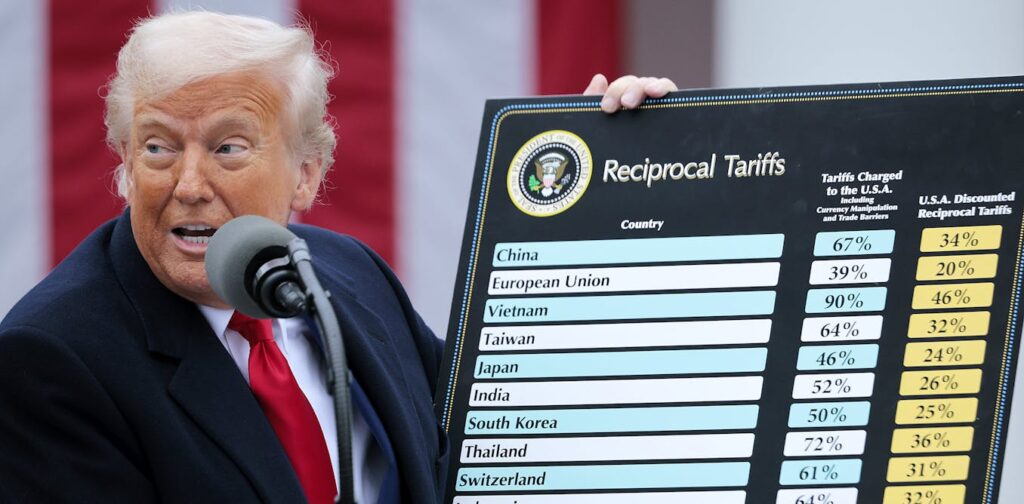
If these changes are implemented, decision-making by consensus would be replaced by deals driven by powerful players on selectively chosen topics. This shift could lead to unilateral actions, as evidenced by Trump’s imposition of arbitrary tariffs on over 90 countries for “national and economic security” reasons.
The Impact of Tariff Policies
The imposition of tariffs is not a new strategy. President Joe Biden maintained the tariffs on China from Trump’s first presidency, leading to unresolved WTO disputes. However, Trump’s approach of using coercive power marks a departure from the multilateralism model that has prevailed since the 1980s.
Some countries have negotiated with Trump to reduce tariffs. For example, China agreed to a temporary truce, while Brazil resisted politically-motivated tariffs at significant economic cost. Australia managed a side-deal on critical minerals, whereas the European Union remains in a standoff over pharmaceutical patents and regulating big tech.
“The WTO’s future hangs in the balance as members face the challenge of either submitting to US demands or exploring alternatives to the hyper-globalization model,” experts say.
Challenges for Less Powerful Nations
Less powerful countries are particularly vulnerable to these changes. Recent “reciprocal trade agreements” with Malaysia and Cambodia require them to align with US foreign policy, consult the US before negotiating new free trade agreements, and make significant investments in the US. These agreements could lead to economic, fiscal, social, and political chaos in these countries, forcing them to choose between the US and China.
The agreements stipulate that in return for these concessions, the 2025 tariffs will be reduced but not reversed, and the US retains the right to terminate the deals at will.
The Future of the WTO
As the 14th ministerial conference in Cameroon approaches in late March, WTO members face a critical decision: should they comply with US demands to keep the WTO operational, or should they seize this opportunity to explore new models of global trade cooperation?
The outcome of this conference could shape the future of the WTO and the global trade landscape. As the world grapples with the challenges of a shifting international order, the decisions made in Cameroon will have far-reaching implications for trade, diplomacy, and international relations.