




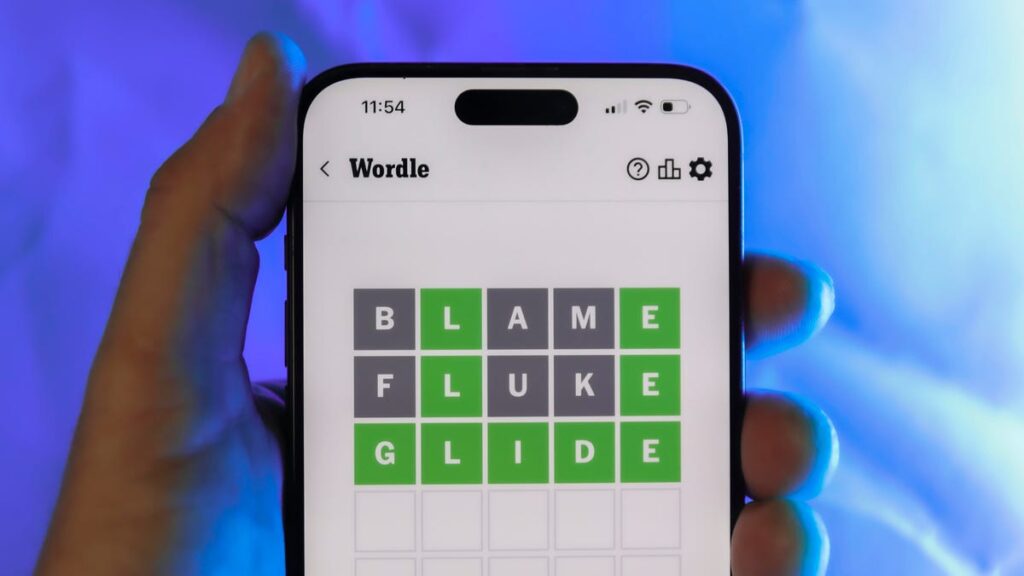
For puzzle enthusiasts and Wordle fans, today’s challenge proved to be a particularly tricky one. The popular online game, which has captivated millions globally, presented players with a word that might seem misspelled at first glance: “FIERY.” This puzzle, numbered 1673, has sparked discussions across social media platforms as players scrambled to solve it on January 17.
Wordle, a daily word puzzle game owned by The New York Times, continues to engage users with its simple yet addictive format. Each day, players are tasked with guessing a five-letter word in six tries or less. The game’s appeal lies in its straightforward rules and the communal experience of sharing results without revealing the answer.
Understanding Today’s Challenge
The puzzle for January 17, described by many as challenging, required players to think outside the box. Today’s Wordle answer, “FIERY,” features no repeated letters, two vowels, and one sometimes vowel. It begins with the letter ‘F’ and ends with ‘Y’, a combination that can easily trip up even seasoned players.
Hints provided earlier in the day suggested that the word could mean being passionate or quick-tempered, adding another layer of complexity for those unfamiliar with the term. The absence of repeated letters and the inclusion of two vowels further complicated the guessing process.
Expert Insights and Strategies
Experts in word games often suggest starting with words that contain common vowels and consonants to increase the chances of early hits. According to a recent study, letters like ‘E’, ‘A’, and ‘R’ are among the most frequently used in English words. Players often rely on these insights to craft their strategies.
For those struggling with today’s puzzle, using a strategic starter word or consulting lists of common letters can offer a significant advantage. As one expert noted, “Understanding letter frequency and common word patterns can greatly enhance your Wordle success rate.”
The Ongoing Allure of Wordle
Since its inception, Wordle has become a cultural phenomenon, with daily puzzles becoming a staple for many. The game was created by Josh Wardle and later acquired by The New York Times, which has since integrated it into its suite of puzzles. Wordle’s simplicity and the daily challenge it presents have kept it at the forefront of casual gaming.
In addition to Wordle, The New York Times offers a variety of puzzles, including the Mini Crossword, Connections, and Strands, each catering to different preferences and skill levels. These games provide a mental workout for users and have fostered a community of puzzle enthusiasts who eagerly await each new challenge.
Historical Context and Popularity
Wordle’s rise to fame is reminiscent of other puzzle crazes, such as Sudoku and the Rubik’s Cube. Each of these games captured the public’s imagination, offering both a mental challenge and a sense of accomplishment upon completion. Wordle, with its daily puzzles and social sharing features, has managed to create a similar buzz in the digital age.
“Wordle’s simplicity is its genius. It offers a brief escape and a moment of triumph in our daily routines,” commented a puzzle historian.
Looking Ahead: The Future of Wordle
As Wordle continues to evolve, players can expect more challenging puzzles and potentially new features to keep the game fresh. The New York Times has hinted at future updates that may include themed puzzles or additional game modes.
For now, players can look forward to tomorrow’s puzzle, armed with the knowledge and strategies gained from today’s challenge. Whether you’re a casual player or a dedicated Wordle enthusiast, the daily puzzle offers a moment of reflection and a chance to sharpen your linguistic skills.
As the game continues to grow in popularity, it will be interesting to see how it adapts and what new challenges await its global audience.