


The traditional owners of Wittenoom, a region devastated by asbestos contamination, have initiated a $1.5 billion legal claim against the Western Australian government. This landmark case, launched on Tuesday by the Banjima Native Title Aboriginal Corporation (BNTAC) in the Federal Court in Melbourne, seeks to address decades of inaction over the toxic remnants of mining activities.
For over 30 years, successive state governments have resisted calls to remediate the area, located 1,400 kilometers northeast of Perth. The site, once home to thriving blue asbestos mines, remains one of the most contaminated in the Southern Hemisphere. According to the Asbestos Diseases Society of Australia, it is linked to over 4,000 deaths.
Legacy of Neglect
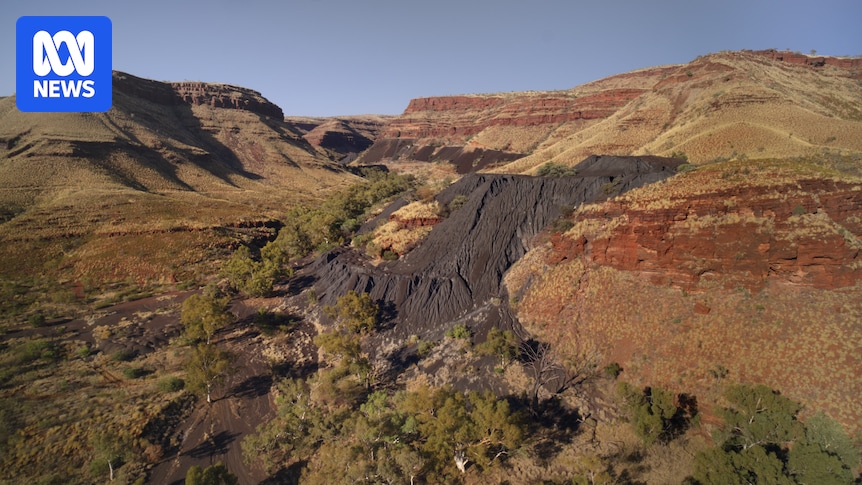
Wittenoom was officially closed in 1978 and removed from maps, yet millions of tonnes of asbestos waste continue to surround the abandoned mines. The area, encompassing 46,000 hectares of Banjima native title land, is quarantined to prevent further exposure. This exclusion zone is eight times the size of Sydney Harbour, yet the asbestos waste remains unaddressed, with reports indicating it is spreading further into the landscape.
The BNTAC’s legal action demands the sealing of the mines, removal of tailings dumping grounds, and remediation of contaminated sites. The corporation anticipates the cleanup costs could exceed $1.5 billion, with additional claims for damages due to the alleged complicity of the WA government in the Banjima people’s dispossession.
Government Response
WA Premier Roger Cook expressed respect for the Banjima people’s right to seek justice, acknowledging the complexity of the issue, including legal liabilities. “I would prefer a negotiated outcome, but I respect their right to seek justice,” Cook stated. The government plans to defend its legal position while continuing to engage with the Banjima community.
Despite discussions with the WA government last year, BNTAC Chief Executive Ed Armstrong noted that progress was stalled. “We believe that if there’s no legal action taking place, they’ll continue to defer or delay this,” Armstrong said.
Health and Environmental Impact
The ongoing presence of asbestos has severe health implications for the Banjima people. Research by former WA Senior Scientific Officer Peter Franklin revealed that the Banjima have the world’s highest per capita rate of mesothelioma incidence. “The insult and the injury to the Banjima is not just what they feel and what they’ve suffered,” said Peter Gordon, BNTAC’s lead lawyer.
A 1992 WA parliamentary inquiry recommended asbestos tailings removal, yet successive investigations have underscored the extreme danger and the high remediation costs. The BNTAC’s legal team, experienced in asbestos-related claims, aims to prove the WA government’s responsibility for the waste since 1979.
Historical Context and Future Prospects
The fallout of Wittenoom has previously reached the courts, with the Colonial Sugar Refining Company (CSR) paying substantial damages to former workers. However, this is the first case directly involving the WA government. The BNTAC hopes to establish state liability for the ongoing contamination.
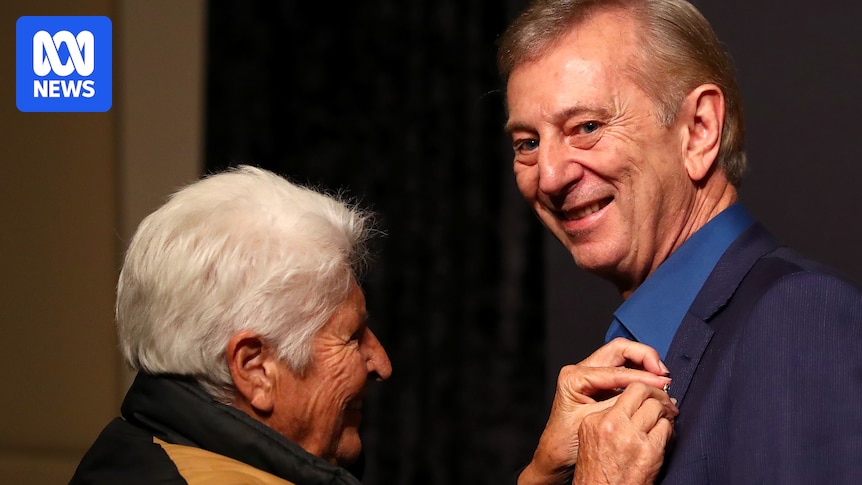
Johnnell Parker, a Banjima woman, reflects on her uncle Maitland’s legacy. Maitland Parker, a Banjima elder who died from mesothelioma in 2024, never worked in the mines but was a ranger in the nearby Karijini National Park. “He would have the most beautiful smile and a laugh,” she said, remembering his spirit and resilience.
Ngambigunha, or Wittenoom, recognized as exclusive native title lands of the Banjima since 2014, is a landscape of cultural and environmental significance. As the legal proceedings unfold, the Banjima people hope for a resolution that will allow them to reclaim and restore their ancestral lands.