



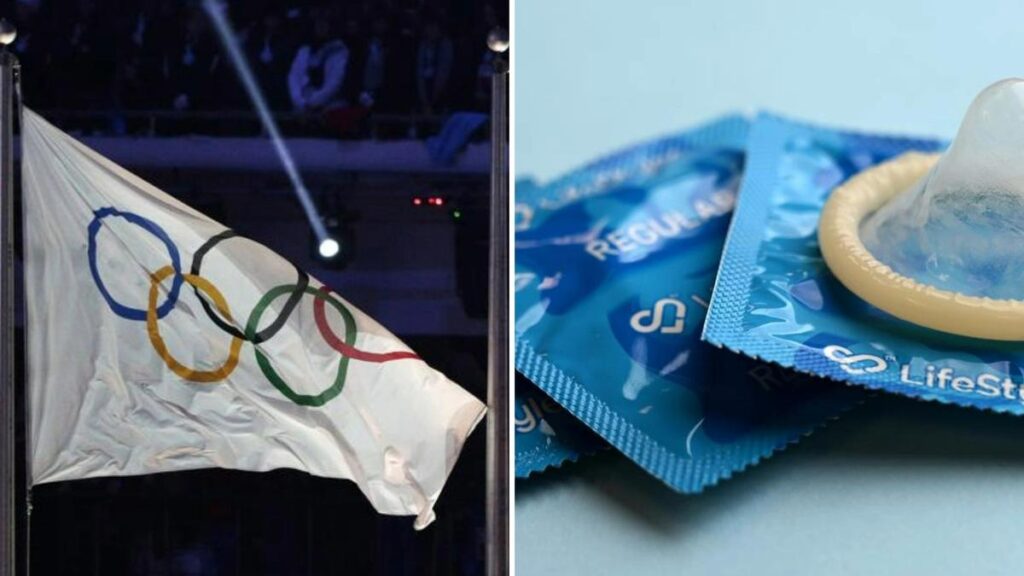
Winter Olympics athletes have already used up all their condoms, just days into the Winter Games.
Just days into the Milan-Cortina Winter Olympics, athletes have exhausted the initial supply of condoms, prompting a scramble for additional stock. The International Olympic Committee (IOC) confirmed that 10,000 condoms had already been taken by athletes, highlighting a demand that has become a staple of the Games.
The Games, which began on February 6, distributed over 9,700 condoms across the Athlete Villages. However, with approximately three condoms per athlete for the entire duration, the supply quickly ran out. As athletes await new deliveries, the situation underscores the unique social dynamics within the Olympic Villages.
A Tradition of High Demand
This development follows a long-standing tradition of high condom usage at the Olympics. Alpine skier Mialitiana Clerc from Madagascar noted the recurring pattern, having witnessed similar demand at the Beijing Winter Olympics four years ago. “I am not so shocked because I know that at the Winter Olympic Games there are a lot of people using condoms because I saw it in Beijing already,” she remarked.
An anonymous athlete echoed this sentiment to the Italian newspaper La Stampa, stating, “The supplies sold out in just three days. They promised us more will arrive but who knows when.”
Comparisons and Preparations
The current shortage is particularly stark when compared to the preparations for the upcoming Paris 2024 Summer Olympics, where approximately 230,000 condoms are expected to be available, equating to about 20 per athlete. This proactive approach highlights the varying scales of preparation between the Winter and Summer Games.
Messages on the condom packets encourage safe practices, with slogans such as, “On the field of love, play fair. Ask for consent,” and “Don’t share more than victory, protect yourself against STDs.” These messages aim to promote health and safety among athletes, who are often under intense pressure during the Games.
The Social Dynamics of the Olympic Village
Olympic Villages have long been known as hotspots for social interaction and intimacy among athletes. The high-pressure environment, combined with the shared experience of competing at the highest level, fosters a unique atmosphere. Swimmer Ryan Lochte has previously estimated that three-quarters of athletes will engage in sexual activity during the Games.
Matthew Syed, a former table tennis player and journalist, reflected on his experience at the 1992 Barcelona Olympics, describing it as a “sex fest.” He noted, “It is a common sight to see recently knocked-out athletes gorging on Magnums and McDonalds, swilling alcohol, and of course, sh*gging like crazy. Sometimes all three at the same time.”
Looking Ahead
As the Milan-Cortina Games continue until February 22, the IOC is working to replenish the condom supplies to meet the ongoing demand. This situation not only highlights the social aspects of the Olympics but also underscores the importance of health and safety measures in such a large gathering.
The move represents a broader understanding of the needs of athletes, both on and off the field. As the world’s best winter sports athletes gather across northern Italy, the focus remains on ensuring a safe and supportive environment for all participants.
With the Games in full swing, the attention now turns to how quickly new supplies can be distributed and how the organizers will adapt to the needs of the athletes. The situation serves as a reminder of the multifaceted nature of the Olympics, where competition, camaraderie, and personal experiences intertwine.