


As Christmas approaches, a peculiar tradition unfolds: the giving of books that may never be read. Despite a noticeable decline in reading rates across all demographics, books remain a popular gift choice during the festive season. This paradox raises the question: why do we continue to exchange books when they often end up gathering dust?
Reading habits are changing dramatically. Many people are reading less, distracted by the endless scroll of digital screens. Experts warn that we may be entering a “post-literate age,” where the act of reading books becomes increasingly rare. Yet, book sales in the weeks leading up to Christmas account for a significant portion of annual spending, suggesting a disconnect between purchasing and reading habits.
The Tradition of Book Gifting
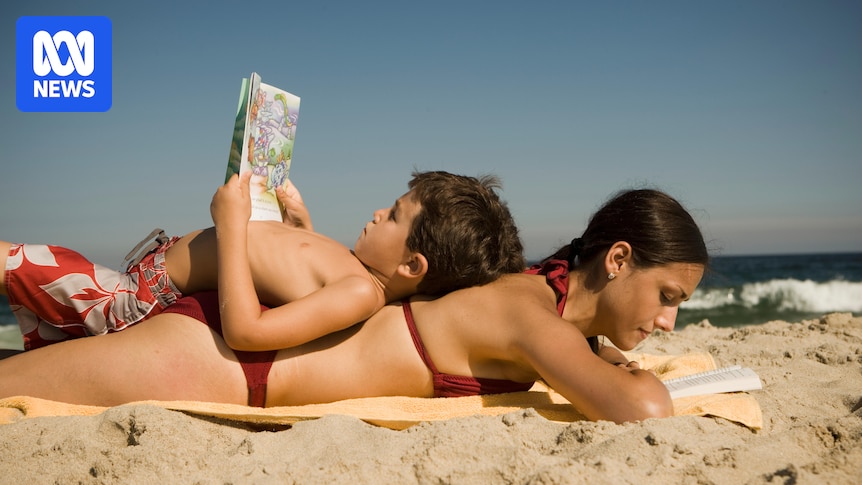
The tradition of gifting books is deeply rooted in the holiday spirit. It reflects an aspiration to embody the ideal reader, someone who finds joy in the written word and shares that joy with others. This act of giving books is often imbued with nostalgia and a desire to impart a piece of this imagined literary life to loved ones.
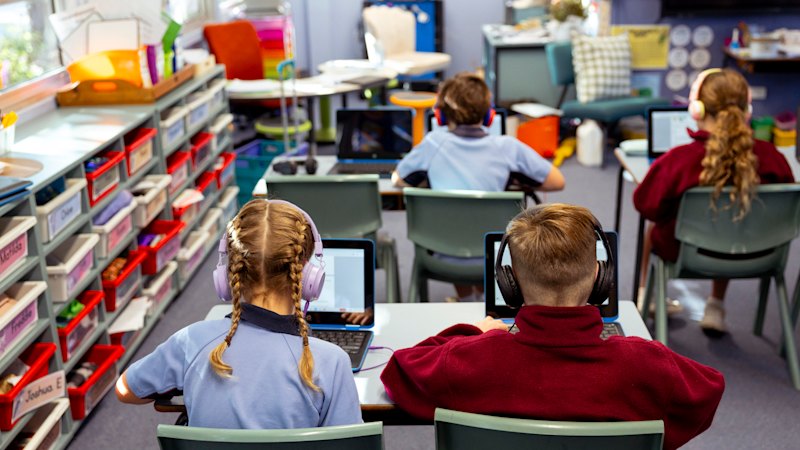
However, the reality is starkly different. Surveys indicate a decline in reading frequency. In 2016, half of Australians read a book weekly, but by 2020, this number had dropped to one-third. Among teenagers, the situation is more alarming. A national survey revealed that 29% of teenagers hadn’t read a book or listened to an audiobook in the past year, a 7% increase from 2017.
“In 2019, about 10% of teenagers never read for fun. Three years later, that figure rose to over half,” according to a South Australian survey.
Changing Reading Habits
Anna Burkey, head of Australia Reads, explains that the shift in reading habits is partly due to the rise of digital media. “Tech companies have successfully hoovered up all of the recreational time that was spent on reading, on music, on other art forms,” she notes. The allure of mobile devices, which encourage scanning and skimming, contrasts sharply with the deep focus required for book reading.
As a result, popular books today are often shorter, with stronger plots and more escapist themes. Readers are less inclined to experiment, seeking assurance that their time investment will be worthwhile. This trend complicates the task of selecting the perfect book as a gift, as preferences become more specific and discerning.
While genres like detective fiction, science fiction, and fantasy are thriving, literary fiction and investigative journalism are in decline. This shift reflects broader cultural changes, with Australian readers increasingly favoring American authors who dominate social media visibility.
The Future of Reading
Despite a rise in book sales during the COVID-19 pandemic, the long-term outlook for reading remains uncertain. Burkey suggests that a dedicated core of readers may be compensating for a general decline in book purchases among the wider population.
“It’s dispiriting, but we fight on,” Burkey says, highlighting the ongoing challenge of promoting reading in a digital age.
The concept of a “post-literate society” is gaining traction. As digital media consumption grows, traditional reading habits are increasingly sidelined. Times columnist James Marriott recently argued that society is shifting towards a post-literate state, with scrolling and short-form video content replacing sustained reading.
UK writer Jeanette Winterson echoed this sentiment, questioning whether books will continue to hold a place in our future. “The evidence is pointing the other way,” she remarked in an interview, suggesting that book reading may become an anachronistic hobby.
Our Complicated Relationship with Books
As the year draws to a close, many of us find ourselves wrapping books as gifts, despite spending much of our time online. This act of giving books may be an attempt to keep the tradition of reading alive, even as technology reshapes our relationship with literature.
Social media platforms like TikTok play a significant role in shaping literary culture, influencing which books become bestsellers and how they are perceived. While these platforms may contribute to declining reading rates, they also serve as vital tools for engaging young readers.
Ultimately, the act of gifting books may be a way to perform the ritual of reading without fully committing to it. As attention spans dwindle, the respite offered by a good book becomes ever more appealing.
“The data shows Australians want to read more,” Burkey says. “Our problem is they have this behavior-intention gap where they’re like, ‘I remember how much I love reading. It’s just I’m easily distracted into doing something else.'”
As we continue to navigate the complexities of modern life, the tradition of gifting books at Christmas serves as a reminder of the enduring value of literature, even in an increasingly digital world.