




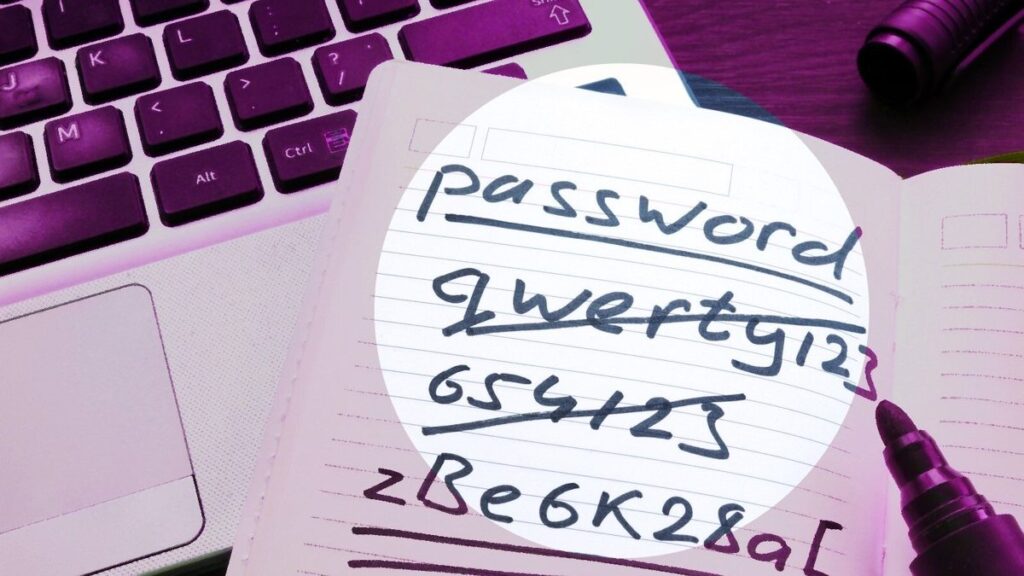
For years, the conventional wisdom around digital security has been to change your passwords frequently. This advice, however, is now considered outdated by experts in the field. The National Institute of Standards and Technology (NIST) has debunked this longstanding belief, emphasizing the importance of password strength and uniqueness over frequent changes.
In 2017, NIST released its Digital Identity Guidelines, which included a significant shift in password management recommendations. The guidelines advised against the arbitrary and periodic changing of passwords unless there is evidence of a security breach or a user request. This advice marks a departure from previous practices that emphasized frequent password updates.
The Science Behind Password Security
NIST’s guidelines are grounded in extensive research on information security and the human capacity to remember complex passwords. The report highlights that the traditional “composition rules”—which require symbols, uppercase letters, and numerals—are not as beneficial as once thought. Instead, these rules often compromise usability and memorability.
“The benefit of such rules is not nearly as significant as initially thought, although the impact on usability and memorability is severe,” NIST stated.
According to NIST, the length of a password is more critical than its complexity. Despite this, many online services continue to reject long passphrases, which NIST suggests should be allowed up to 64 characters. The guidelines also recommend using password managers to handle multiple passwords, thereby reducing the cognitive load on users.
Changing Passwords: A Cultural Habit
The advice to change passwords frequently is so ingrained in online culture that February 1st is recognized as Change Your Password Day. However, this practice is increasingly seen as unnecessary. A survey conducted by PCMag revealed that 74% of respondents claimed to change their passwords at least every six months, a statistic that experts question.
Many users feel compelled to change their passwords due to workplace policies or service requirements, despite expert advice to the contrary. This cultural habit persists even as evidence mounts against its efficacy.
Expert Recommendations for Password Management
NIST’s 2024 update to the Digital Identity Guidelines reinforces the use of password managers and suggests additional measures for organizations. These include enabling “show password” features to reduce typing errors, locking accounts after multiple failed attempts, and employing multi-factor authentication.
81% of data breaches are traced back to poor passwords, underscoring the need for strong, unique passwords.
Despite these recommendations, some institutions continue to enforce frequent password changes and impose restrictions on password composition. Users are advised to create strong, unguessable passwords and to utilize password managers to maintain security without the need for frequent changes.
Personal Insights and Professional Experience
I’ve been writing about technology and security for over three decades, witnessing firsthand the evolution of digital security practices. My journey began in the early days of tech publishing, and I have since contributed to numerous publications and projects, including PCMag’s Readers’ Choice surveys and Best Products of the Year.
Throughout my career, I’ve seen the rise and fall of various technologies and security practices. The shift away from frequent password changes is just one example of how our understanding of digital security continues to evolve.
As technology advances, it’s crucial that our security practices keep pace. Embracing modern recommendations, such as those from NIST, can help ensure that our digital lives remain secure without unnecessary complications.
Ultimately, the key to effective password management lies in creating strong, unique passwords and using tools like password managers to simplify the process. As we move forward, it’s important to stay informed and adapt to the latest security guidelines to protect our digital identities.