

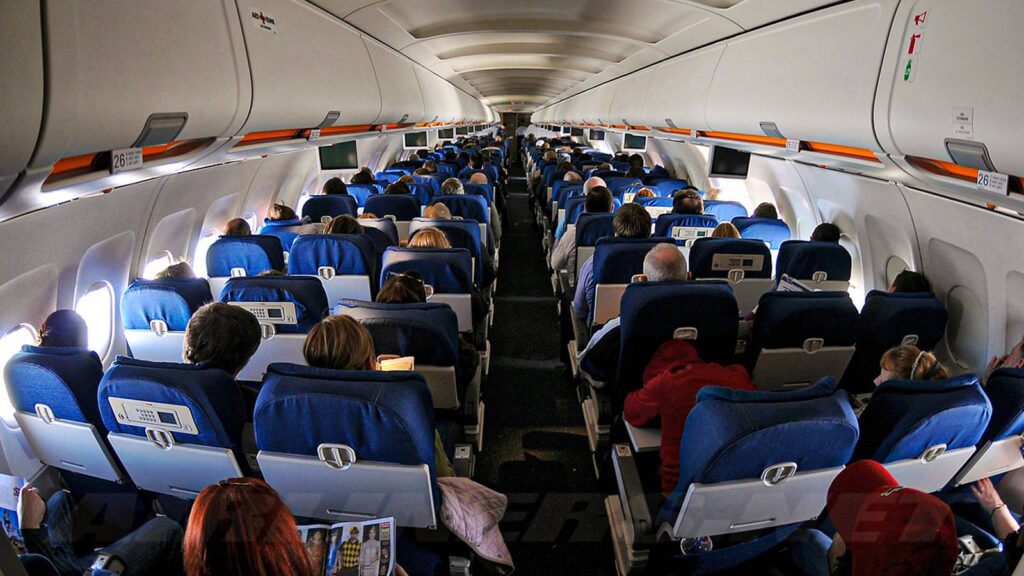
As air travel becomes more accessible, a growing number of passengers are voicing their discomfort with the increasingly cramped conditions on flights. This sentiment is primarily driven by airlines maximizing seating capacity to offer lower fares, a trend that has sparked widespread debate. While airlines have limited control over seat width, the reduction in seat pitch has contributed significantly to passenger discomfort, especially as the average passenger size has increased over the decades.
United Airlines CEO Scott Kirby has openly criticized the low-cost, no-frills airline model, labeling it an “interesting experiment” that has “failed.” His remarks reflect a broader industry conversation about the viability of budget airlines, particularly in the U.S. market. As passengers continue to share their grievances on social media, the debate over airline seating policies and passenger etiquette intensifies.
Passenger Complaints and Airline Policies
In December 2025, Fox News highlighted the growing trend of travelers taking to social media to express their frustrations with cramped airplane seats. Many passengers report feeling trapped or panicked during flights, particularly when neighboring passengers encroach on their personal space. This issue is exacerbated by airlines’ inconsistent enforcement of policies requiring passengers to fit within their assigned seats.
Southwest Airlines has been noted for offering extra seats to larger passengers, setting it apart from other U.S. carriers. However, when such accommodations are not made, passengers often turn to platforms like TikTok to share their experiences and debate who bears responsibility for the lack of space.
The Rise of Low-Cost Carriers
The rise of low-cost and ultra-low-cost carriers is driven by two primary market forces: the demand for affordable air travel and the willingness of some passengers to sacrifice comfort for lower fares. This has led to the proliferation of high-density seating arrangements, which prioritize cost savings over passenger comfort.
Historically, air travel was more comfortable but also significantly more expensive. The introduction of economy class made flying more accessible, and while airlines have not removed comfortable seating options, they have expanded their offerings to include cheaper, less comfortable alternatives. Passengers seeking more comfort can opt for premium economy or business class, which offer amenities reminiscent of past travel experiences.
Ryanair’s Unique Marketing Approach
Ryanair, a prominent low-cost carrier, embraces its reputation for cramped seating and minimal amenities through a marketing strategy that leans heavily on humor and irony. The airline’s social media presence is filled with tongue-in-cheek remarks about its no-frills service, reminding passengers that they are paying for the lowest possible fares.
This approach resonates well with Ryanair’s European customer base, which appreciates the humor. However, it may not translate as effectively in the U.S. market, where cultural differences could impact the reception of such marketing tactics. Nonetheless, Ryanair’s strategy underscores a key message: passengers choose the airline for its affordability, not its luxury.
Options for More Comfortable Travel
Despite the trend towards denser seating, passengers still have options to enhance their travel experience. Many airlines offer upgrades to seats with more legroom, such as exit-row or bulkhead seats. Additionally, premium economy and domestic business class options provide increased comfort for those willing to pay a higher fare.
Some airlines also allow passengers to book additional seats for extra space. For instance, Ryanair permits passengers to purchase two full-fare tickets for added comfort. This flexibility offers a solution for travelers who prioritize personal space over cost savings.
Historical Context and Changing Passenger Demographics
While airlines have reduced seat pitch to accommodate more passengers, seat width remains largely unchanged since the 1960s. Aircraft like the Boeing 737 and Airbus A320 have maintained their original cabin widths, with most narrow-body planes configured for six-abreast seating in economy class.
However, the average size of passengers has increased significantly over the years. According to recent data, the average American male is now approximately 30 pounds heavier than in the 1960s, with a similar increase observed in women. This shift in passenger demographics has contributed to the perception of reduced personal space on flights.
Enforcing policies that require larger passengers to purchase additional seats poses challenges for airlines, as it can lead to accusations of body-shaming. Nevertheless, airlines continue to offer solutions for those seeking more space, such as Spirit Airlines’ “Big Seats,” which provide both increased pitch and width.
As the airline industry evolves, the tension between affordability and comfort remains a central issue. While low-cost carriers continue to thrive by offering budget-friendly options, passengers seeking a more comfortable experience have a range of upgrade options to choose from. The ongoing debate over airline seating policies highlights the complex dynamics at play in modern air travel, where market forces and passenger preferences intersect.