



The World Health Organization (WHO) has unveiled a groundbreaking strategic plan aimed at managing coronavirus threats, including COVID-19, Middle East respiratory syndrome (MERS), and potential new coronavirus diseases. This unified approach marks a significant shift from emergency response to a more sustained, long-term strategy, emphasizing integration and sustainability.
Building on the experiences from the past five years of COVID-19 response, as well as ongoing efforts with MERS and other respiratory diseases, the new plan titled Strategic Plan for Coronavirus Disease Threat Management: Advancing Integration, Sustainability, and Equity, 2025–2030 provides a framework for national health authorities and partners. It advocates for a coherent, action-oriented approach to managing coronavirus threats within the broader context of infectious disease management.
Historical Context and Current Challenges
Since the emergence of the first SARS coronavirus in 2002, followed by MERS-CoV in 2012, and SARS-CoV-2, the virus causing COVID-19, in 2019, coronaviruses have demonstrated their potential to trigger significant global health crises. Although the peak of the COVID-19 pandemic has passed, the virus continues to circulate widely, posing severe risks to high-risk groups.
According to WHO, approximately 6% of those infected with COVID-19 develop Post COVID-19 Condition, commonly known as long COVID, with 15% of these individuals experiencing symptoms for more than a year. Recent reports indicate an increase in SARS-CoV-2 activity in several regions, underscoring the ongoing uncertainties surrounding virus evolution and the long-term impacts of COVID-19.
Expert Insights and Strategic Directions
“Coronaviruses remain one of the most consequential infectious disease threats today,” stated Dr. Maria Van Kerkhove, WHO Acting Director for Epidemic and Pandemic Management. “Integrating their management into broader respiratory disease and infectious threat prevention and control programs, including for influenza, is essential. While each country will have its own approach tailored to its national context, WHO urges Member States to use the strategic directions set out in the plan to build resilient health systems that can effectively manage current threats while preparing for future ones.”
The strategic plan is an evolution of previous Strategic Preparedness and Response Plans for COVID-19. It reflects a consultative and inclusive process, drawing on input from WHO Member States, regional and country offices, technical partners, and the general public. This ensures that the plan is grounded in the diverse needs, priorities, and realities of health systems and communities worldwide.
Global Monitoring and Preparedness
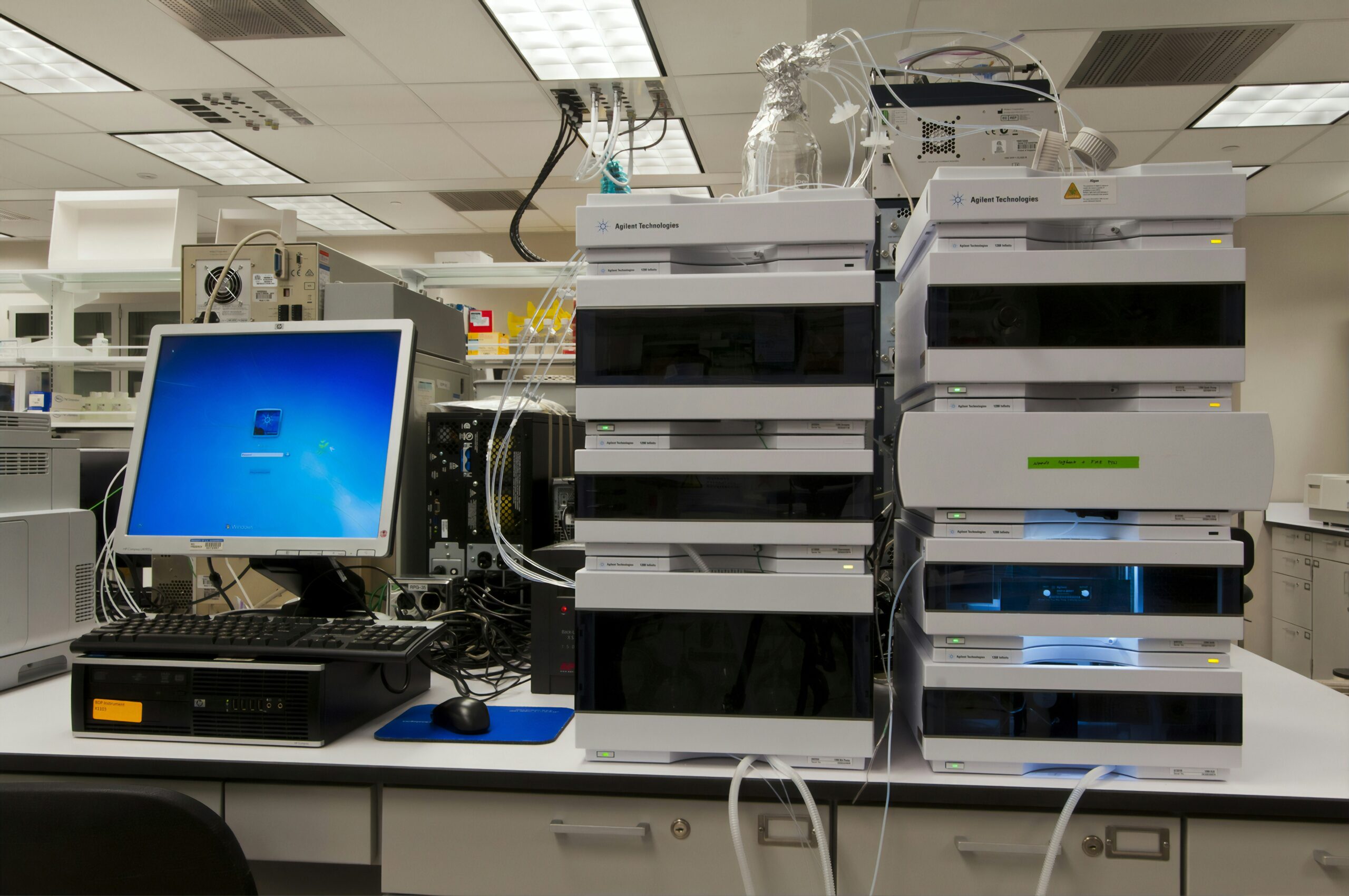
The plan outlines both routine management and emergency scenarios, highlighting the flexibility needed by national systems to address known circulating coronaviruses and the emergence of new ones with pandemic potential. To bolster global coronavirus monitoring, WHO has expanded its Coronavirus Network (CoViNet), a network of disease surveillance programs and reference laboratories for SARS-CoV-2, MERS-CoV, and emerging coronaviruses of public health significance.
CoViNet now includes 45 national reference laboratories across the human, animal, and environmental health sectors, with 11 laboratories added in 2025. This network complements WHO’s Global Influenza Surveillance and Response System (GISRS), which conducts global sentinel surveillance, including for SARS-CoV-2.
Implications and Future Outlook
The launch of this strategic plan signifies a pivotal moment in global health management, as the world transitions from a reactive to a proactive stance on coronavirus threats. By fostering integration and sustainability, WHO aims to equip nations with the tools necessary to manage current and future infectious disease threats effectively.
As countries implement the strategic directions, the focus will be on building resilient health systems capable of adapting to evolving threats. The success of this plan will depend on the collaboration and commitment of international partners, national governments, and local communities.
Moving forward, the WHO’s strategic plan serves as a blueprint for a unified global response to coronavirus threats, emphasizing the importance of preparedness, integration, and resilience in safeguarding public health.