



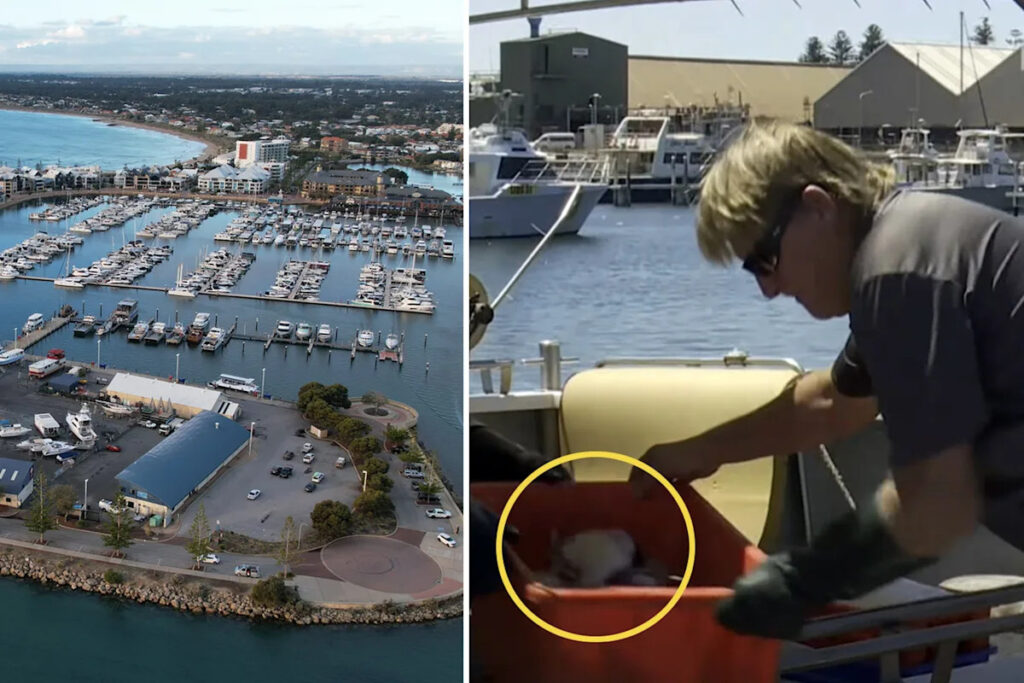
An ordinary scene captured by a security camera—a postman delivering a letter—has become emblematic of a crisis for dozens of families in Western Australia. The letters, sent by the State government, inform commercial fishermen that their licenses are being permanently revoked, effective January 1. This drastic measure comes with an interim payment, deemed “vastly insufficient” by those affected, as a temporary relief.
The announcement follows a December 3 declaration of a 21-month ban on demersal species to begin at the start of the new year. This decision has given the fishing industry a mere 28 days to cease operations or find alternative sources of income. The ban impacts an extensive 900 km stretch of the WA coastline, from Kalbarri to Augusta, with additional restrictions elsewhere along the coast.
Reasons Behind the Fishing Ban
The Western Australian Department of Primary Industries and Regional Development (DPIRD) has justified the ban as necessary to replenish fish stocks that are under severe threat. The latest stock assessments revealed alarming depletion levels: dhufish, unique to WA, and snapper populations have been overfished to critical levels.
The spawning biomass of dhufish is 85% depleted, northern snapper is 83% depleted, and southern snapper is 80% depleted.
Fisheries Minister Jackie Jarvis stated that these “tough measures” are the only viable path to recovery for these fish populations. The State Government has introduced a $20 million Compulsory Fisheries Adjustment Scheme (CFAS) to support affected commercial fishermen, requiring them to surrender their licenses to qualify for compensation.
Local Fishermen’s Response
Despite the government’s intentions, local fishermen have expressed their devastation and frustration. A fisherman, choosing to remain anonymous, shared with Yahoo News that many families are left without income and options. He refuted the minister’s claims that most fishermen have alternatives, stating that the majority do not.
Fishermen argue for alternative solutions, such as implementing a fixed quota system and reassessing the science behind current stock evaluations. They believe these measures could manage fish populations without resorting to a complete ban.
“It’s not a hard equation,” said the local fisherman. “We need to reset the science, determine the actual fish numbers, and manage the yearly catch accordingly.”
Economic and Social Impact
The economic repercussions of the ban are significant, with penalties for non-compliance ranging from $5,000 for individuals to $10,000 for corporations, along with a mandatory penalty of ten times the value of the fish taken for first offenses. The ban’s impact extends beyond the fishing community, potentially affecting the availability and cost of local seafood.
Southwestern Fresh Fish, a local company, has vowed to resist the ban, arguing that it disrespects local fishermen and deprives the public of fresh seafood. They warn that this sets a dangerous precedent, where any industry could face sudden government-imposed restrictions.
Protests and Public Outcry
In a dramatic protest, a fisherman from Geraldton chained his boat to the local Fisheries office gate, expressing his frustration over the government’s actions. The protest highlights the growing tension between the fishing community and the authorities.
“Enough is enough with this whole government bulls**t,” the fisherman wrote. “If I can’t go to work to make an honest living, then why should Jackie Jarvis’s colleagues be able to?”
Southwestern Fresh Fish noted that the protester had recently acquired a shark fishing license, emphasizing the financial strain and lack of adequate support for those affected.
As the situation unfolds, the State Government faces mounting pressure to address the concerns of the fishing community while balancing ecological responsibilities. The outcome of this conflict may shape future policies regarding natural resource management in Western Australia.