
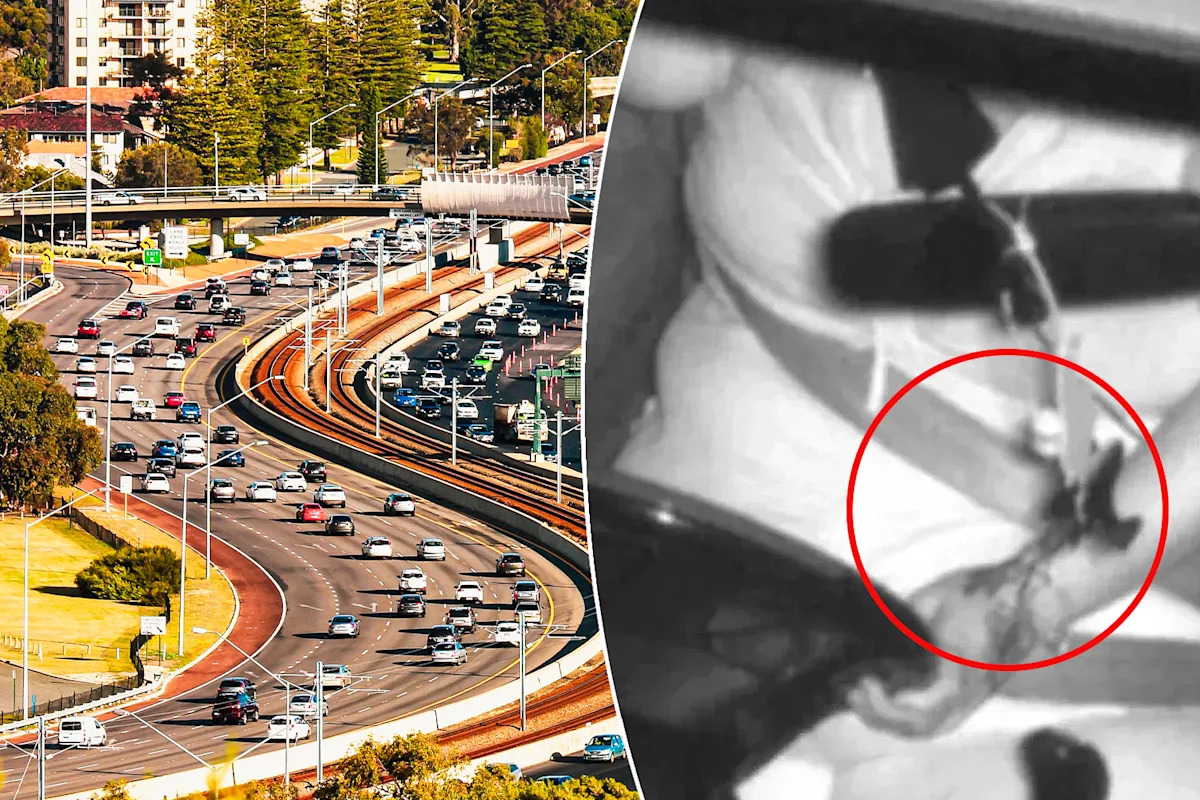

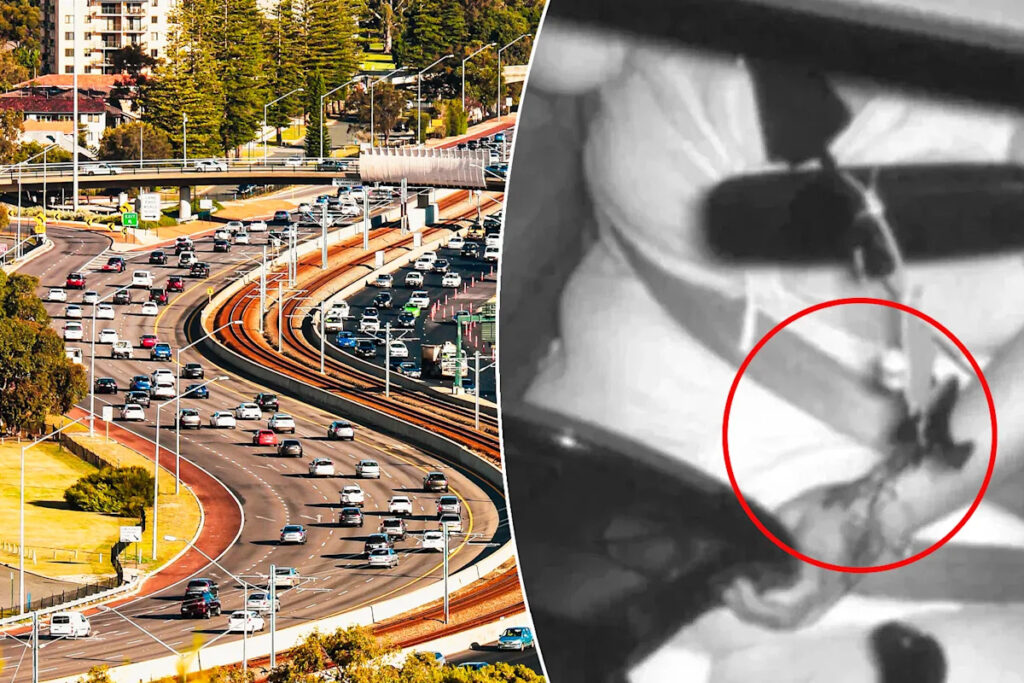
Thousands of drivers in Western Australia have been hit with substantial fines after AI-powered traffic cameras detected passengers not wearing seatbelts correctly. Over a 19-week period ending February 18, these cameras recorded 36,262 seatbelt violations, costing motorists nearly $20 million.
According to reports from the West Australian, drivers have accumulated more than 145,000 demerit points as a result of this enforcement blitz. In some instances, drivers who follow the rules are still receiving $550 penalties and four demerit points if a passenger, often a child, briefly removes their seatbelt or adjusts the shoulder strap to reach for something.
Controversy Over AI Enforcement
The issue has sparked significant debate among residents in Western Australia. Lawyers Alison and Jillian Barrett, writing in their weekly Yahoo column, explained that strict liability applies to camera-detected seatbelt offences, meaning the offence doesn’t require intent or even knowledge.
“Legal recourse is very limited but possible,” the Barretts noted. “A review will likely only be successful if you believe the fine was wrongly issued, i.e., the seatbelt was worn correctly but misread by the AI camera.”
On a recent episode of Triple M Perth’s Xav and Katie show, host Xavier Ellis shared his personal experience after receiving a fine when his son momentarily moved the shoulder strap of his seatbelt under his arm while sitting in the front passenger seat.
“You don’t think about the people in the car with you,” Ellis said. “You just assume [they’re doing the right thing], don’t assume! Furious! My point being if I’m doing 110km/h on the road, I can’t pull over on the side of the road and fix it.”
Impact of AI Technology on Road Safety
Authorities estimate that the introduction of AI technology has led to an eightfold increase in seatbelt-related infringements, which now account for approximately one-third of all fines issued by AI cameras. Prior to the cameras being switched to enforcement mode in October last year, Police Minister Reece Whitby warned that while he does not want to engage in “massive revenue raising,” if behavior does not change, “we are going to see revenue roll in like we’ve never seen it before.”
The Western Australian Government is facing increasing pressure to reassess the system, with critics arguing that the approach is unfair. During double demerit periods, provisional drivers, who are limited to eight points instead of the standard 12, have lost their licenses immediately due to a passenger’s behavior. Parents have also been penalized after children momentarily wriggled out of their restraints.
Official Responses and Future Considerations
A spokesperson from the Department of Transport told the West Australian that every image is reviewed by an authorized officer before a fine is issued, although data on how many infringements involve children incorrectly wearing seatbelts is not available. Police Commissioner Col Blanch acknowledged that there might be rare cases where fines are wrongly applied and noted that AI systems are continually evolving.
A state government spokesperson clarified that the cameras only capture the front seats and advised that children and other vulnerable occupants should travel in the back. They also mentioned that drivers or passengers with medical conditions preventing correct seatbelt use can obtain an exemption from a GP, which may be used during an appeal. Additionally, where multiple offences are detected before the first notice is received, subsequent penalties can be withdrawn, a process currently underway.
Shadow Road Safety Minister Julie Freeman criticized the reliance on automated enforcement, arguing that it has reduced opportunities for officers to educate motorists.
As the debate continues, the Western Australian Government may need to balance the benefits of AI technology in improving road safety with the concerns of residents who feel unfairly targeted by the current system.