




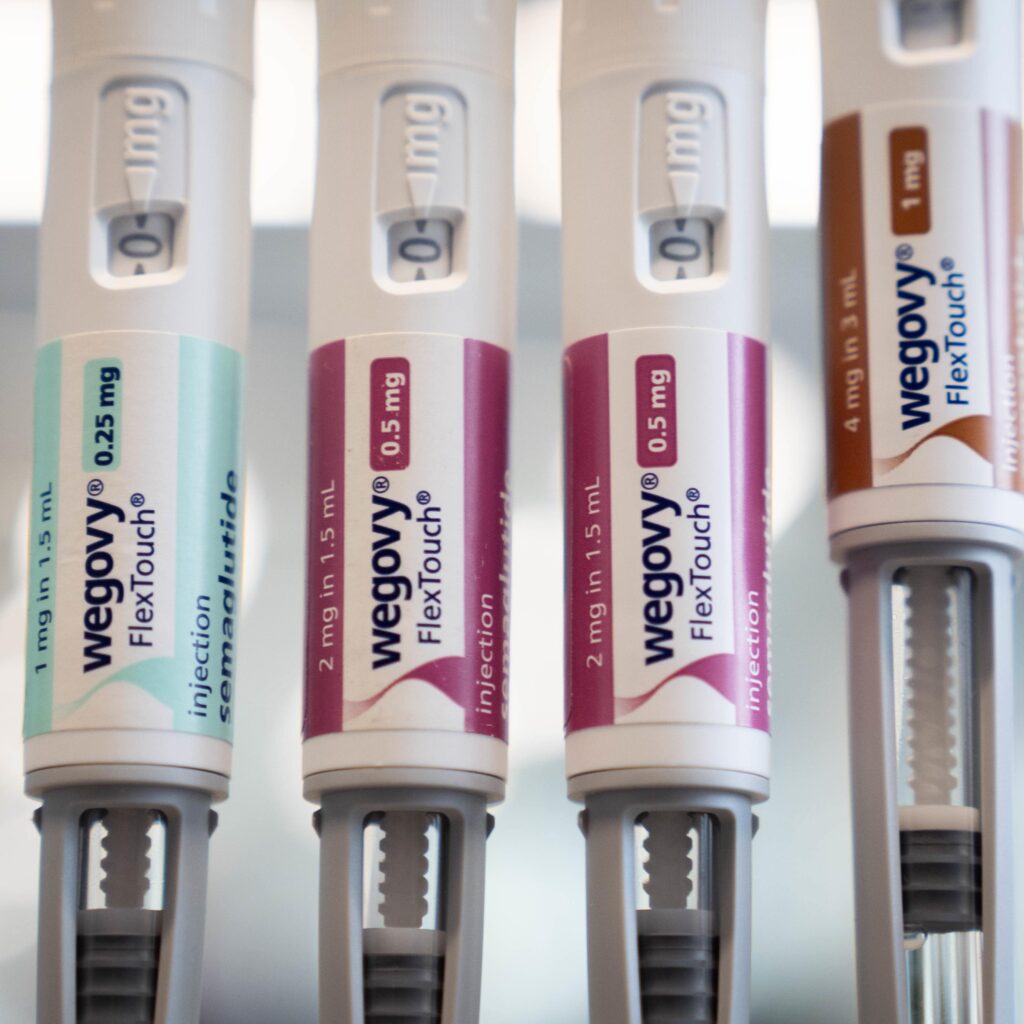
The vast majority of people taking weight loss medications like Wegovy and Mounjaro are paying privately due to restrictions on NHS access. However, a significant study by researchers at the University of Oxford has revealed that individuals using these fat loss jabs regain weight much faster than those following traditional diet and exercise regimens.
The study found that while drugs such as semaglutide (Wegovy) and tirzepatide (Mounjaro) are effective in reducing weight during treatment, the weight is typically regained within 20 months after stopping the medication. This rapid weight regain also leads to the loss of improvements in blood sugar levels, cholesterol, and blood pressure, leaving patients back at their initial health status.
Comparing Weight Loss Methods
In contrast, individuals who lose weight through diet and exercise tend to maintain their weight loss for nearly four years, although they eventually regain some weight. The Oxford study, published in the British Medical Journal, analyzed 37 studies involving over 9,000 participants. These participants, who were on weight loss medications for an average of 10 months, lost an average of 8.3kg but regained 4.8kg within the first year of stopping the drugs. They returned to their original weight within 1.7 years.
“Weight regain after medication is common and rapid. The cardiometabolic benefits essentially parallel weight – and so as weight is regained, the cardiometabolic benefits are lost,” said Susan Jebb, professor of diet and population health at the University of Oxford.
Professor Jebb emphasized the need for ongoing support, suggesting that a lifetime solution might be necessary to tackle obesity effectively. She highlighted that combining drug treatments with behavioral programs could enhance weight loss but noted that these strategies often fall short once the medication is discontinued.
Challenges and Considerations
Meanwhile, separate research from University College London and the University of Cambridge has raised concerns about potential nutritional deficiencies and muscle loss in individuals prescribed these new weight loss drugs. Dr. Marie Spreckley from the University of Cambridge stressed the importance of integrating nutritional care alongside treatment to prevent such health issues.
Currently, Wegovy is prescribed on the NHS for a maximum of two years, while there is no restriction on Mounjaro. However, many patients discontinue their medication due to costs, side effects, or achieving their weight goals. The Oxford research suggests that half of the people stop using weight loss medications for these reasons.
Sam West, a postdoctoral researcher at the University of Oxford, stated, “People taking medication lose more weight compared with behavior programs, but they regain the weight four times faster.”
Expert Opinions and Future Directions
Dr. Adam Collins, associate professor of nutrition at the University of Surrey, explained that the rapid weight regain could be due to the way GLP-1 agonists, the class of drugs to which these medications belong, function. These drugs may reduce the body’s natural GLP-1 production and sensitivity, leading to increased appetite once the medication is stopped.
Furthermore, an NHS spokesman emphasized that while these treatments are valuable tools for weight loss, they should be paired with lifestyle and behavioral support to ensure long-term success. The NHS is expanding its weight management services, including the Digital Weight Management Programme, to support more individuals in achieving sustainable weight loss.
“As obesity is a chronic and relapsing condition, prolonged treatment with weight management medications may be required to sustain the health benefits,” concluded the Oxford study team.
As the debate continues over the most effective long-term strategies for weight management, experts agree that further research is needed to determine the best ways to support individuals using these medications, whether through prolonged adherence or intermittent treatment periods.