




In a year marked by debates over seed oils and the rise of wellness trends, the health and fitness landscape is set for a transformation in 2026. Key developments include the evolution of wearable technology, a surge in resistance exercise popularity, and an enduring focus on protein-rich diets. These trends are expected to redefine how individuals approach health and fitness, according to industry experts.
The spotlight is also on GLP-1-based medications, such as Ozempic, which are reshaping the fields of nutrition and fitness. Trent Rigby, a consumer analyst and director of Retail Customer Advisory, notes, “This is the big one, I think, for 2026.” In the United States, obesity rates among adults have declined for the first time in decades, a shift attributed to these medications. Although availability and cost remain challenges in Australia, improvements are underway.
GLP-1 Medications: A Game Changer
By 2030, projections estimate that 1.13 billion people globally will be classified as obese, a 115% increase from 2010. In the U.S., approximately 10% of the population is expected to be on obesity drugs. “Take-up numbers should be similar here in Australia,” Rigby predicts. “I see GLP-1s influencing everything from food, fitness, apparel, and wellness industries.”
A Pivot in Fitness Trends
Wearable technology is poised to be the leading fitness trend in 2026, as per the American College of Sports Medicine. These devices have evolved beyond basic step and heart rate tracking to include features like fall detection, heart rhythm monitoring, blood pressure, blood glucose, and skin temperature measurement. Such advancements benefit a wide range of users, from rehabilitation patients to professional athletes and older adults.
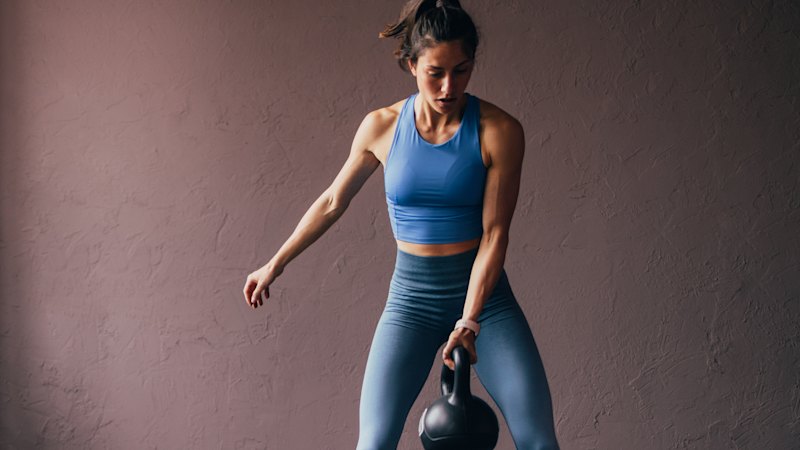
Resistance exercise is also gaining traction. It is crucial for active ageing, especially as more than 22% of Australians will be over 65 by 2026. Resistance training helps counteract the significant loss of lean mass associated with GLP-1 weight loss, which can constitute up to 60% of total weight loss.
“It’s really wonderful to see the emphasis on resistance training,” says strength coach and exercise physiologist Dr. Tony Boutagy.
Once the domain of bodybuilders, resistance training is now recognized for its broader health benefits. “There is now so much robust data to indicate that resistance training is effective at improving bone mineral density, stopping the age-related loss in muscle mass, strength and power, and also improving metabolic health, such as glucose regulation,” Boutagy explains.
According to Rigby, “Next year, I think we’ll look back and realize cardio-first fitness was a hangover from another era. Gyms, apps, and programs are already pivoting hard toward muscle, bone density, and resilience.”
Protein: An Unyielding Trend
Despite predictions that protein’s popularity might plateau, it remains a dominant trend. Trade publication FoodNavigator anticipates the emergence of protein soft drinks and “protein-plus” products, which combine high-protein content with functional ingredients like fiber. The interest in protein is partly driven by obesity drugs, which necessitate maintaining muscle mass during weight loss.
Accredited practicing dietitian Dr. Joanna McMillan asserts that protein is “here to stay.” She notes, “Much of it is good – people using GLP-1 mimics, menopause, getting older … So many areas of life where we do indeed need extra protein.” However, she cautions against overconsumption, stating, “I just don’t see that we need it in our water or our chips. Adding a nutrient, protein or anything else, doesn’t turn a food into a health food.”
The Rise of Positive Ageing
With an ageing, affluent population, 2026 is expected to be the year of the Boomers, as per global market insights firm Innova. The concept of “positive ageing” is gaining traction, representing a proactive and holistic approach to health across generations. A significant 73% of global consumers consider healthy ageing extremely or very important.
Consumer analyst Trent Rigby concurs, stating, “Baby Boomers are usually overlooked from brands and marketers, but a lot of health and fitness brands are now standing up and taking notice. In 2026 we expect to see further growth in fitness programs tailored to older adults – particularly strength and mobility training, preventative health, and recovery are all growing fast.”
The announcement comes as the health and fitness industry adapts to emerging trends and consumer demands. As 2026 approaches, these developments are likely to shape the future of wellness, influencing everything from personal health practices to broader industry strategies.