


As the festive season approaches, the Trump administration is touting economic achievements, pointing to GDP growth and a surging stock market as evidence of what it claims to be the “greatest economy in the history of our country.” However, beneath these rosy figures lies a starkly divided reality: while the affluent enjoy unprecedented gains, millions of American workers face stagnant wages, mounting debt, and economic uncertainty.
This year has seen a further concentration of wealth to levels rarely seen in modern history. The wealth of U.S. billionaires, a group of 900 individuals, surged by 18 percent, reaching a record $6.9 trillion. A mere ten individuals accounted for $750 billion of this increase. Elon Musk stands out in this spectacle, with his net worth soaring by over $500 billion in two years, surpassing the GDP of many countries.
The Economic Divide: A Closer Look
At the other end of the spectrum, a recent AP/NORC poll reveals widespread concern among Americans over rising costs for essentials such as groceries and electricity. Nearly half of those surveyed are delaying major purchases and turning to “buy now, pay later” services like Klarna and Afterpay to manage expenses. Meanwhile, a Politico poll indicates that over a quarter of Americans have skipped medical check-ups due to costs, with nearly one in four foregoing prescribed medications for the same reason.
In a controversial move, the Trump administration ended the year by terminating the Saving on a Valuable Education (SAVE) student loan forgiveness program. This decision affects over 7 million borrowers who will now face renewed collections and wage garnishments starting next year.
Detroit: A Microcosm of Inequality
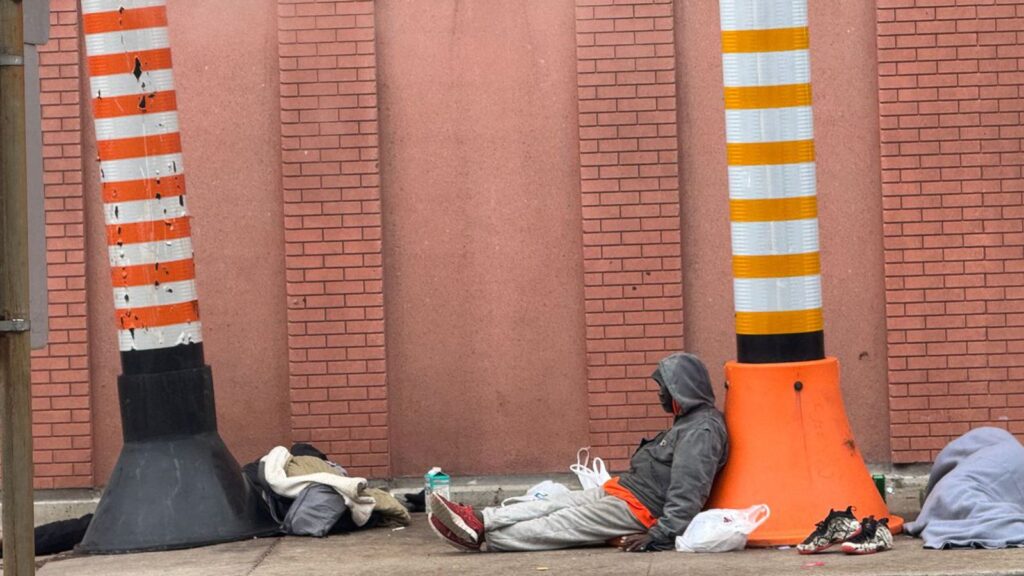
Nowhere is this economic chasm more evident than in Detroit. Despite claims of a revival following its municipal bankruptcy over a decade ago, the city remains a stark example of inequality. Downtown Detroit, home to luxury developments and corporate headquarters, is brightly lit for the holidays. Yet, just blocks away, homeless individuals seek warmth beside steam pipes.
Tragedy struck earlier this year when two children died from carbon monoxide poisoning in a car parked in a casino lot, highlighting the dire circumstances faced by the city’s homeless population. Meanwhile, residents of the Leland House, one of the few remaining affordable housing options downtown, were displaced after a suspicious flooding incident led to an emergency evacuation.
“They don’t want people like me living downtown. They’re creating a new downtown. That’s what they want,” said a long-term tenant, reflecting the sentiments of many displaced residents.
Public Funds and Private Gains
The Detroit Downtown Development Authority and city council have approved millions in public funds for corporate projects, such as renovations at Little Caesars Arena and a practice facility at the former Uniroyal Tire site. These funds, derived from property taxes, could have supported essential social services instead.
Meanwhile, the auto industry in Detroit faces its own challenges. At GM’s Factory Zero, over 1,100 assembly workers are being laid off despite the company’s record profits. This mirrors a national trend of job cuts, with over 1 million job losses announced this year, as companies turn to AI and digital technologies to boost productivity.
A Call for Action
There is growing discontent among the working class, which holds significant social power. The World Socialist Web Site and the International Workers Alliance of Rank-and-File Committees advocate for the formation of committees to demand an end to layoffs, utility shutoffs, and predatory debt practices. They call for a redirection of public subsidies from billionaire projects to public investment in housing and healthcare.
This movement seeks to challenge the Trump administration’s policies, which are seen as favoring the oligarchy. The Democratic Party, according to critics, has failed to mount a substantial opposition, aligning with key elements of Trump’s economic agenda.
Ultimately, the fight against economic inequality and for democratic rights requires a mobilization of the working class against both major political parties and the corporate elite. The resources exist to ensure full employment and access to essential services for all, but this requires a fundamental shift in who controls these resources.
The Socialist Equality Party and its allies are working to build this movement, aiming to organize resistance and develop leadership rooted in the working class, guided by a clear political program.