



As the festive season approaches, the Trump administration is touting economic indicators such as GDP growth and a booming stock market to bolster claims of an unprecedented economic era. However, beneath these metrics lies a starkly divided “K-shaped” recovery, highlighting immense wealth accumulation for the affluent while millions of workers face stagnant wages, mounting debts, and job insecurity.
This year has seen an unprecedented concentration of wealth in the United States. The wealth of the country’s 900 billionaires surged by 18 percent, reaching a staggering $6.9 trillion. A mere ten individuals accounted for $750 billion of this increase. Elon Musk epitomizes this wealth surge, with his net worth skyrocketing over $500 billion in two years, surpassing the GDP of many nations.
Economic Disparities and Public Concerns
Meanwhile, a recent AP/NORC poll reveals widespread concern among Americans about rising costs for essentials such as groceries and utilities. Nearly half of respondents are delaying major purchases and resorting to “buy now, pay later” services like Klarna and Affirm to manage expenses. A Politico poll also highlights that 27 percent of Americans have skipped medical check-ups due to financial constraints, with nearly one in four foregoing prescribed medications for similar reasons.
The Trump administration’s decision to end the Saving on a Valuable Education (SAVE) student loan forgiveness program has further strained household finances. This move will resume aggressive debt collection efforts, impacting over 7 million borrowers.
Detroit: A Microcosm of Inequality
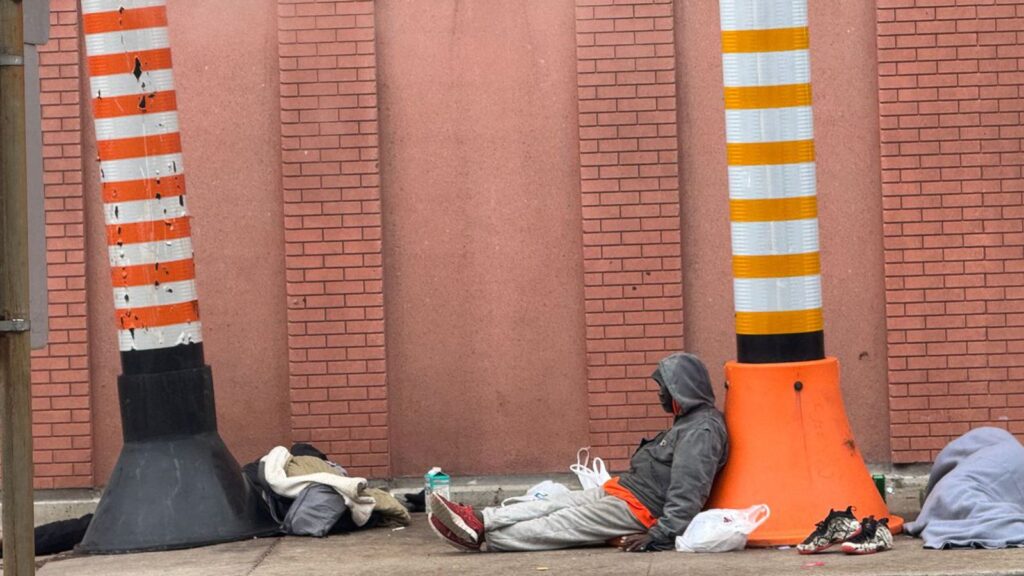
In Detroit, the social divide is particularly pronounced. The city’s downtown, touted as a symbol of revival, contrasts sharply with the struggles of its residents. While luxury developments and corporate headquarters illuminate the business district, just blocks away, homelessness and poverty persist. The tragic deaths of two children from carbon monoxide poisoning in a casino parking lot underscore the dire conditions faced by many.
At the Leland House, a low-income housing option, residents were forced to evacuate due to a suspicious electrical system flood. This incident highlights the neglect and inadequate response from property owners and municipal authorities, leaving displaced tenants in limbo.
Detroit’s political establishment, dominated by the Democratic Party, has facilitated this inequality. Public funds have been allocated to renovate sports arenas and support billionaire developers, diverting resources from essential social services.
Wider Implications and Labor Struggles
The situation in Detroit mirrors a broader trend across the United States and globally. Mass layoffs, such as the closure of Tyson’s plant in Nebraska affecting 3,200 jobs, are becoming increasingly common. The deployment of AI and digital technologies is accelerating job cuts, impacting over 1 million workers this year alone.
Amidst these challenges, there is growing discontent among the working class. The strategic task is to channel this opposition into a cohesive political movement. The World Socialist Web Site and the International Workers Alliance of Rank-and-File Committees (IWA-RFC) advocate for the formation of grassroots committees to demand an end to layoffs, utility shutoffs, and evictions, along with the cancellation of predatory debts.
A Call for Systemic Change
The Trump administration’s policies, characterized by a concentration of wealth and power, underscore the need for systemic change. The Democratic Party’s lack of opposition further complicates the political landscape. Recent interactions between Democratic leaders and the Trump administration highlight a troubling alignment on key issues.
The path forward requires mobilizing the working class to challenge the corporate and financial elite. The Socialist Equality Party and the IWA-RFC emphasize the necessity of a revolutionary socialist leadership to guide this struggle. The goal is to expropriate the wealth of the elite, socialize major industries, and utilize technology to eradicate poverty, ensuring equitable access to housing, healthcare, and education.
The resources to achieve these objectives exist, but the control of these resources remains a pivotal question. The answer lies in building a movement rooted in the working class, driven by a clear political program aimed at transforming society for the benefit of all.