


Premier David Crisafulli is celebrating a historic victory in north Queensland, marking the first time a sitting Queensland government has gained a seat in a byelection since 1998. On Saturday night, the Crisafulli government successfully claimed the Hinchinbrook seat from Katter’s Australian Party (KAP), a feat last achieved by the Beattie government when it took Musgrave from One Nation.
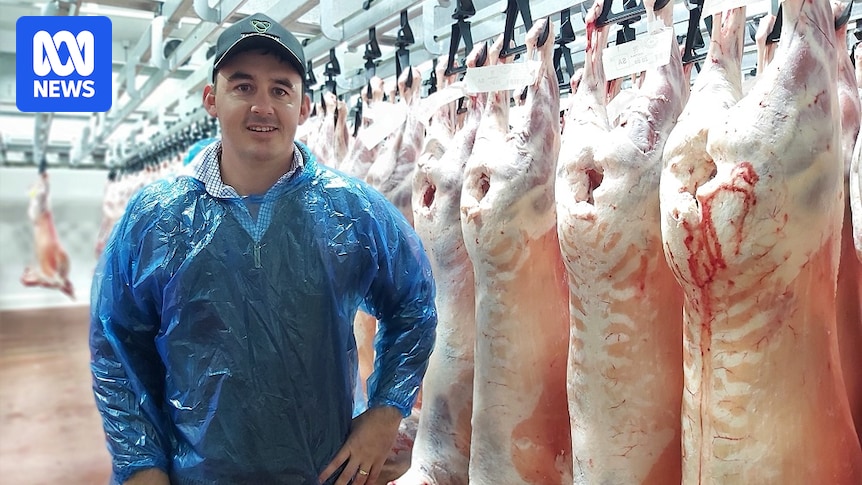
Speaking at an Ingham deli on Sunday morning, Premier Crisafulli stood alongside his long-time friend and new LNP parliamentary colleague, Wayde Chiesa. He declared the result as evidence that his government is on the right track. “This victory shows that our policies resonate with the people,” Crisafulli stated, emphasizing the significance of the win.
Election Results and Political Implications
As of the close of counting on Saturday night, KAP’s Mark Molachino experienced a significant 16.2 percent first-preference swing against him, securing only 30.25 percent of the primary vote. Meanwhile, the Labor Party suffered a 5.8 percent swing, ending the election night with a mere 8.27 percent of first preferences.
The biggest winner was the LNP, which achieved a primary vote of 41.28 percent, reflecting a 13.1 percent swing towards the government. One Nation also made gains, with Luke Sleep earning an 8.9 percent swing to claim 13.5 percent of the primary vote. On a two-party preferred basis, the LNP saw a 17 percent swing in its favor.
“Before this byelection, the leader of the opposition described this as a test of my leadership,” Crisafulli remarked, taking a jab at Opposition Leader Steven Miles. “Now that’s a strange statement – traditionally, swings are against governments in byelections.”
Reactions and Strategic Moves
At the Labor state conference on Sunday morning, Steven Miles acknowledged the poor performance but noted the importance of Townsville-based seats for Labor’s electoral prospects. “It underlines how important it is that we do this platform review,” Miles said, emphasizing the need for policy renewal ahead of the 2028 elections.
Wayde Chiesa expressed his commitment to representing Hinchinbrook effectively. “I intend not to waste this opportunity,” he stated, reflecting on the personal significance of the victory. The win increases the LNP’s parliamentary majority to 53 seats, relegating KAP to just two seats.
Expert Analysis and Historical Context
The byelection was triggered by former KAP member Nick Dametto’s resignation to run for Townsville mayor, a campaign he ultimately won. Political analysts, including Griffith University’s Associate Professor Paul Williams, expressed surprise at the result, noting the region’s historical distrust of major parties.
“The big, big, big caveat is that this is not an indicative seat,” Williams cautioned. “The LNP will be crowing about this, but it’s not representative of the rest of Queensland.”
Former Labor parliamentary speaker John Mickel highlighted Chiesa’s strong personal profile as a key factor in the victory. “It’s a huge boost for the premier personally,” Mickel commented, noting the morale boost for the LNP as they head into the final parliamentary sessions of the year.
Looking Ahead: Challenges and Opportunities
With Hinchinbrook voters having been called to the polls multiple times recently, Mickel pointed out the potential voter fatigue. “There’s an old adage that if you cause a byelection without adequate reason, you’ll get a biff,” he explained, suggesting that KAP’s loss was partly due to this sentiment.
Despite One Nation’s improved showing, Mickel advised caution in interpreting the results. “The swing to 13 percent is not to be sneezed at, but it is much less than the 22 percent they achieved in 2017,” he noted.
The victory in Hinchinbrook serves as a strategic win for the LNP, but as experts suggest, it is not necessarily indicative of broader electoral trends. As both major parties look to the future, the focus will be on policy development and addressing regional concerns to secure voter confidence in upcoming elections.