

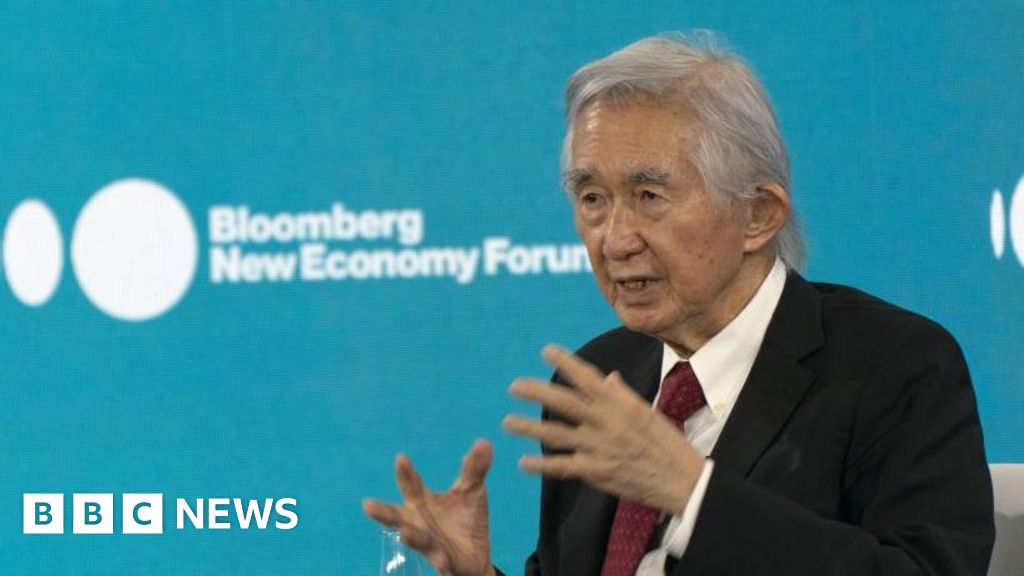
The architect who designed Singapore’s public housing system, Liu Thai Ker, has passed away at the age of 87. Liu, whose visionary designs are now home to most of Singapore’s 5.9 million residents, died on Sunday due to complications following a fall, as reported by local media quoting his son.
Liu Thai Ker’s influence on Singapore’s landscape is profound, with his distinctive public housing blocks stretching from the city center to its outskirts. Tributes have poured in from all corners, with many expressing gratitude for his contributions. One social media user remarked that Singapore had “lost a giant,” adding that Liu “did not merely build cities, but shaped the very way Singaporeans live, move and belong.”
The Legacy of Singapore’s Public Housing
Singapore’s public housing flats, known locally as “HDBs” after the Housing and Development Board, are a cornerstone of the nation’s economic and social policy. Unlike many other countries, Singapore’s public housing is heavily subsidized and sold to citizens, turning them into assets that can be resold at market rates after a stipulated period.
This system, while lauded for fostering home ownership, has its critics. Some argue that market-driven aspects can price out certain segments of the population. Nonetheless, it remains a key policy, with Singaporean leaders viewing it as a method of ensuring that every citizen owns a piece of their country.
Liu Thai Ker: A Life of Vision and Dedication
Born in 1938 in Malaysia, Liu moved to Singapore at the age of six. He pursued architecture in Australia and later earned a master’s degree in city planning from Yale University. His career began in the New York office of the renowned architect I M Pei before he returned to Singapore in 1969.
Upon his return, Liu served as the chief architect of Singapore’s Housing and Development Board. At that time, many Singaporeans lived in overcrowded slums, and the nation was transitioning towards public housing under government-led initiatives. During his tenure, Liu oversaw the development of 20 new towns and approximately half a million housing units.
“The buildings, homes, and public spaces that Singaporeans use every day stand as a quiet testament to his dedication and vision,” said Singapore’s Prime Minister Lawrence Wong in a tribute to Liu.
After his tenure at the HDB, Liu became the chief executive and planner of the Urban Redevelopment Authority, contributing 24 years to public service before establishing his private firm.
Tributes and Reflections
Singapore’s President Tharman Shanmugaratnam expressed gratitude for Liu’s role in making Singapore a “liveable city in the tropics.” Other Singaporeans echoed these sentiments, with one stating Liu “didn’t just build buildings, he built a nation.”
Chung Cheng High School (Yishun), where Liu was once a student, extended condolences, highlighting his journey from a student to a visionary urban planner as a source of immense pride. Local media outlets have also paid tribute, often referring to him as the “father of urban planning” in Singapore.
“Widely known as the architect of modern Singapore, Dr. Liu’s journey from a student at our [school] to a visionary urban planner remains a source of immense pride,” noted a statement from Chung Cheng High School.
Implications and Future Prospects
Liu Thai Ker’s passing marks the end of an era for Singapore’s urban development. His work not only transformed the physical landscape of the city-state but also set a benchmark for urban planning worldwide. As Singapore continues to evolve, Liu’s legacy will likely influence future developments, ensuring that his vision endures in the fabric of the nation.
Moving forward, Singapore faces the challenge of maintaining the delicate balance between affordability and market-driven dynamics in its public housing sector. As the nation reflects on Liu’s contributions, it may also seek inspiration from his vision to address contemporary urban challenges.