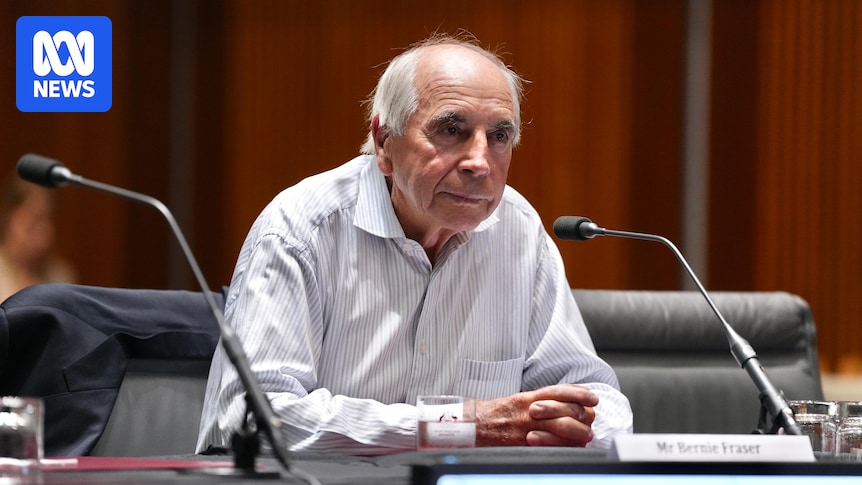



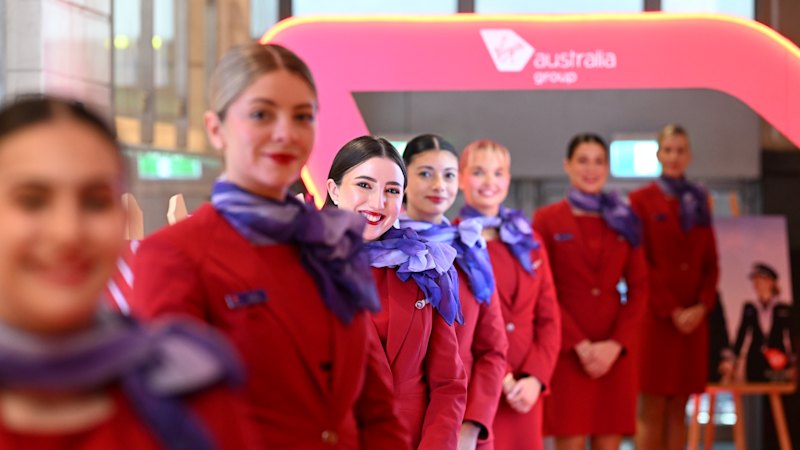
Virgin Australia has reported a significant increase in its half-year earnings, driven by robust revenue growth and heightened demand in the leisure travel sector. The airline’s pre-tax earnings rose by 11.7% to $490 million for the six months ending December 2025, as announced on Friday by Virgin’s Chief Executive Dave Emerson.
Emerson highlighted the strong passenger demand, stating, “Passenger demand remains strong, with consumers continuing to prioritize travel and connectivity, supporting the airlines segment.” This growth has been further bolstered by the airline’s ongoing transformation program, which has contributed $200 million in gross benefits through diversified product offerings and cost-cutting measures.
Cost Pressures and Strategic Initiatives
Despite the positive financial results, Virgin Australia acknowledged ongoing cost pressures within the industry. The airline noted that costs are increasing above inflation in several areas, including supply chain issues, airport charges, and aircraft maintenance. Emerson pointed out that airport landing fees have become a significant concern, describing them as “our second-largest cost item, projected to grow in multiples of inflation.”
Virgin’s strategic initiatives include a focus on its loyalty program, Velocity, which is set to undergo two years of enhancements. According to Emerson, “Velocity will continue to be a growth engine for us,” with revenue from the program growing by 18.8% in the first half, leading to a pre-tax profit of $74 million.
Velocity Program Enhancements
In a competitive move following Qantas’s recent loyalty program announcements, Virgin plans to introduce a series of new initiatives for Velocity over the next 24 months. While Emerson did not provide specific details, he emphasized the competitive nature of the market, particularly against Qantas and its extensive lounge network.
Velocity has already launched a status credit promotion, offering members 125 bonus status credits on past and future bookings. Additionally, Andrew Cleary is set to take over as the new head of the program, succeeding Nick Rohrlach.
Future Outlook and Technological Integration
Looking ahead, Virgin’s CFO Race Strauss expressed optimism about the company’s continued growth in both revenue and underlying earnings for fiscal 2026. This growth is expected to be driven by strong travel demand, the impact of the transformation program, and sustained growth in Velocity.
Emerson also discussed the potential impact of new technologies, such as artificial intelligence, on Virgin’s operations. While the full impact of AI is still uncertain, the airline is already utilizing it to enhance its call center operations and other areas. Emerson noted, “New technology changes the equation, and AI can unleash a new wave of opportunity in transformation.”
Financial Adjustments and Tax Implications
Since exiting administration, Virgin has utilized past tax losses and is now in a tax-paying position. This shift has led to a 27.9% decrease in net profit after tax to $341 million for the first half of the 2025 financial year. Earnings per share also fell by 33.5% to 43¢, reflecting changes in underlying and statutory net profit after tax, as well as the dilutionary impact of share options and rights associated with the IPO.
As Virgin Australia navigates the challenges of cost pressures and competitive dynamics, its strategic focus on transformation and loyalty program enhancements positions it for continued growth in the evolving aviation landscape.