


February 19, 2026 — In a landmark legal battle, the Victorian Supreme Court is hearing a class action lawsuit involving 1,300 women who claim they developed mesothelioma, ovarian, or other reproductive cancers after using talcum powder products. The case is directed against pharmaceutical giant Johnson & Johnson, with plaintiffs alleging that the company’s products were contaminated with asbestos, a known carcinogen.
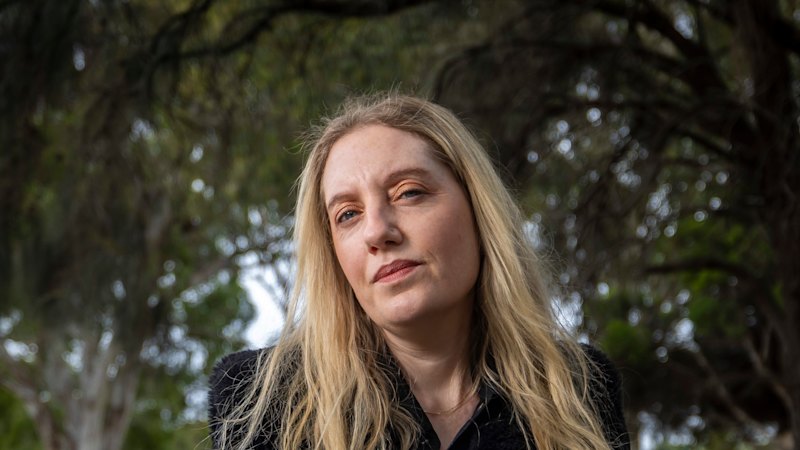
Amanda Bradley, one of the plaintiffs, recalls the chilling moment she was diagnosed with ovarian cancer at the age of 34. “It was so surreal,” Bradley said. “I quit my job. That’s it, no income, no independence, back at home … I was meant to be in my prime, going out, having fun, meeting people, dreaming of having my own family and kids.”
Bradley’s story is emblematic of the broader claims made by the women involved in the lawsuit. Years after her diagnosis and two surgeries to remove her ovaries, Bradley watched a documentary that alleged Johnson & Johnson’s baby powder was contaminated with asbestos. “When I saw the documentary, I knew straight away,” she said. “I was so young when I was diagnosed, and I have no medical history of ovarian cancer.”
Allegations of Negligence and Product Safety
The class action accuses Johnson & Johnson of negligence, claiming their talc products were defective and unfit for purpose. The lawsuit argues that the company failed to warn consumers about the potential cancer risks associated with asbestos contamination.
Talc, a naturally occurring mineral, is often found in close proximity to asbestos during mining. This proximity raises the risk of contamination, which is a central point of contention in the lawsuit. Johnson & Johnson, however, has consistently denied these allegations, asserting that their talc products are safe and free from asbestos.
“While we stand behind the safety of our products, we sympathise deeply with people affected by serious health issues and understand that they and their families want answers,” a spokesperson for Kenvue, Johnson & Johnson’s former consumer health division, stated.
Scientific Perspectives and Regulatory Reviews
Experts in the field have weighed in on the potential risks associated with talc products. Tim Driscoll, a professor of epidemiology and occupational medicine at the University of Sydney, highlighted the undisputed link between asbestos and cancers like mesothelioma and ovarian cancer.
“Talc and asbestos occur in the same mineral deposit, so it’s very common to be contaminated,” Driscoll explained. “Even baby powder that was said not to be contaminated, it’s shown that probably at least early on, a lot of it was contaminated with low levels of asbestos, but high enough to cause problems.”
Despite these concerns, the International Agency for Research on Cancer has found that the evidence regarding talc’s carcinogenicity, independent of asbestos contamination, remains inconclusive. This uncertainty complicates the legal arguments and consumer perceptions surrounding talc-based products.
Legal and Corporate Responses
In response to mounting legal pressures, Johnson & Johnson announced in August 2023 that it would cease selling talc-based products in Australia, transitioning instead to a cornstarch base. This decision reflects a broader strategy to mitigate legal risks and address consumer safety concerns.
Meanwhile, the legal landscape continues to evolve. In December, a Californian jury awarded $US40 million to two women who claimed that baby powder was responsible for their ovarian cancer. Johnson & Johnson has indicated plans to appeal this decision, underscoring the ongoing legal battles the company faces worldwide.
As the Victorian Supreme Court proceedings unfold, the case could set a significant precedent for future litigation involving consumer product safety and corporate accountability. The outcome may influence regulatory policies and consumer trust in personal care products globally.
The implications of this case extend beyond the courtroom, raising critical questions about product safety, corporate responsibility, and consumer protection. As the trial progresses, it will be closely watched by legal experts, health professionals, and consumers alike.