




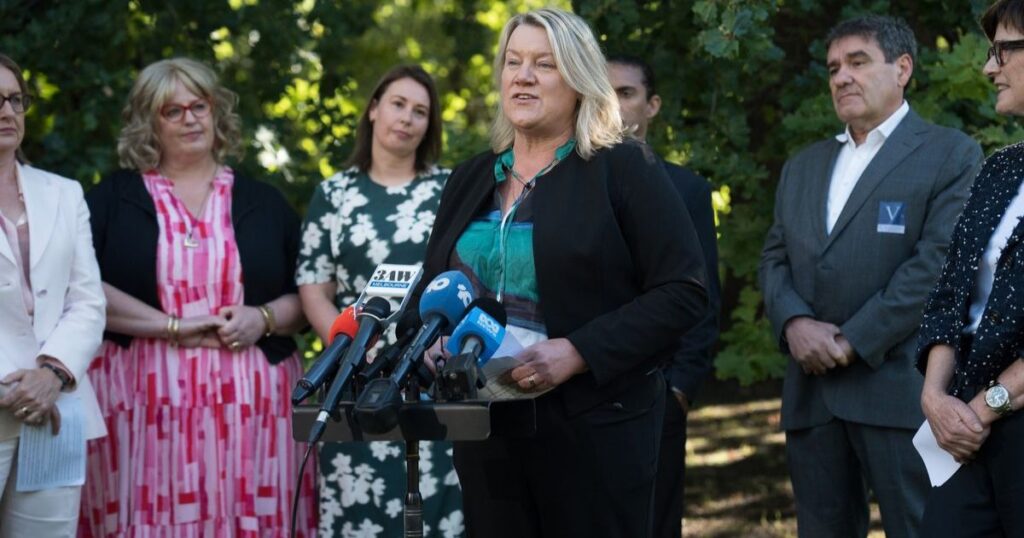
Victorians seeking an ADHD diagnosis will soon have the option to consult their local general practitioners (GPs) instead of enduring lengthy waits for specialists. This significant reform by the state government is expected to commence later this year, aiming to streamline the diagnosis and treatment process for both adults and children aged six and over.
By September, trained GPs will be empowered to diagnose and treat ADHD, thanks to a $750,000 investment by the state to train an initial cohort of 150 GPs. Currently, adults must see a psychiatrist, while children require appointments with either a paediatrician or psychiatrist, a process that can involve wait times from six to 12 months and costs exceeding $2,000.
The changes will enable GPs to not only diagnose and prescribe medication but also provide ongoing management, including referrals for behavioral therapy, educational support, and lifestyle strategies. The government asserts that this move will reduce out-of-pocket expenses, enhance access in regional areas, and alleviate pressure on specialist services.
Addressing a Growing Need
The Royal Australian College of General Practitioners (RACGP) estimates that up to 163,000 Victorian children and 320,000 adults may be living with ADHD. Premier Jacinta Allan emphasized the importance of these reforms, stating, “Families have told me how difficult it is to get this care – so we’re making it cheaper and easier. No child or family should be left behind because the system is too complex, too hard, or too expensive.”
This initiative aligns Victoria with a broader national trend towards GP-led ADHD care. Queensland has allowed GP-initiated treatment since 2017, while Western Australia and South Australia are implementing training-based programs. New South Wales is currently trialing GP diagnosis in selected areas, and both Tasmania and the ACT have committed to similar changes.
Expert Opinions and Support
The RACGP, which has long championed this change, welcomed the announcement. RACGP Victoria chair, Dr. Anita Muñoz, highlighted the challenges faced by many Victorians, stating, “This announcement is keenly welcomed by Victorian GPs on behalf of the many untreated or undiagnosed Victorians who have to date struggled with access to affordable care in their local communities.”
“Assessment and diagnosis for ADHD can cost thousands of dollars and mean months of waiting. Patients may have to travel for hours to see a non-GP specialist. Patients in rural and lower socioeconomic status areas miss out on care,” Dr. Muñoz said.
Dr. Muñoz also noted that the reforms would enable GPs to provide comprehensive care beyond medication, including support for sleep hygiene, screen time management, and counseling. “GPs are perfectly positioned to provide our patients with this care. This change recognizes this, and as any patient who has struggled to access initial or ongoing care will tell you, it’s certainly due,” she added.
Calls for a Collaborative Approach
The Australian Psychological Society (APS) expressed support for improved access but advocated for a broader team-based approach, involving psychologists in assessment and therapy alongside doctors. APS president, Dr. Kelly Gough, proposed a collaborative model where psychologists provide assessment, diagnosis, and psychological treatment, while GPs manage medication.
“A truly collaborative model has the potential to reduce system strain, shorten wait times, and deliver more accessible, effective support for individuals and families,” Dr. Gough said.
Dr. Gough emphasized the unique qualifications of psychologists to manage the psychological impacts of ADHD, including effects on emotions, relationships, and work or study. “We call on all governments to address the under-recognized contribution of psychologists and to work with us to design initiatives that enable psychologists to provide these much-needed services to the Australian community,” she stated.
Looking Ahead
This reform represents a significant shift in the approach to ADHD care in Victoria, potentially setting a precedent for other regions. By integrating GPs more fully into the diagnostic and treatment process, the state aims to make ADHD care more accessible and less burdensome for families. As these changes unfold, the collaboration between healthcare providers will be crucial to ensure comprehensive and effective support for those affected by ADHD.
The implementation of these reforms will be closely monitored, with potential adjustments made based on feedback from healthcare professionals and patients alike. As Victoria moves towards this new model of care, the hope is that similar initiatives will be adopted nationwide, ensuring equitable access to ADHD treatment across Australia.