The Trump administration’s assertion that Venezuelan leaders would comply with American demands following the dramatic capture of President Nicolás Maduro has been met with firm resistance from his allies. The South American nation, now seemingly under the control of Maduro’s remaining regime, witnessed a stunning military operation over the weekend that left the global community in shock.
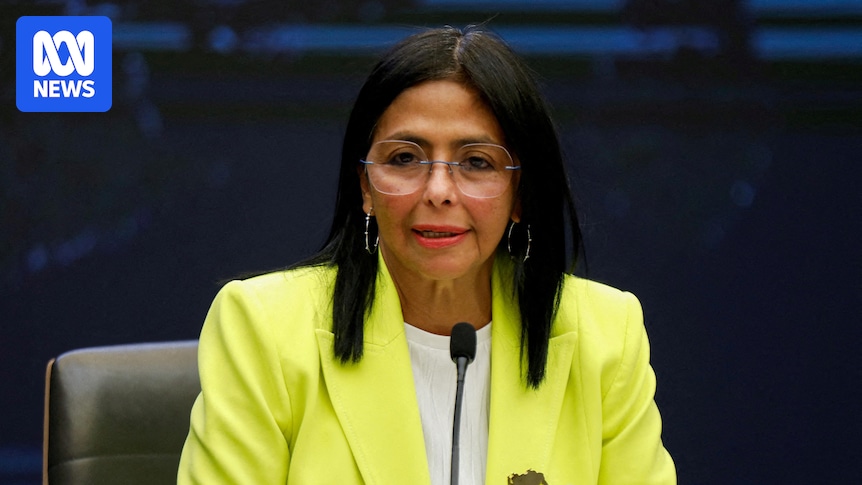
Delcy Rodríguez, formerly the vice-president under Maduro, has been appointed interim president by Venezuela’s high court. She swiftly rejected the Trump administration’s claims that she would collaborate with the United States. On Sunday, other Venezuelan government officials reinforced this defiant stance.
Venezuela’s Unified Front
In a televised address, Venezuelan Defence Minister Vladimir Padrino announced that the armed forces have been mobilized nationwide to safeguard the country’s sovereignty. Interior Minister Diosdado Cabello echoed this sentiment, stating that the government would remain unified behind Maduro. “The unity of the revolutionary force is more than guaranteed,” he declared in an audio recording provided to Reuters.
Meanwhile, the future of Venezuela under US influence remains uncertain. President Donald Trump has declared that the United States would temporarily “run” the country, yet specific plans are vague. In a series of interviews on Sunday, Trump and his cabinet members suggested that the US would persist with its pressure campaign rather than seek immediate regime change.
US Strategy and Objectives
Secretary of State Marco Rubio emphasized the impracticality of an immediate power transfer to the Venezuelan opposition, which international watchdogs claim rightfully won previous elections. “The immediate reality is that, unfortunately, and sadly … the vast majority of the opposition is no longer inside of Venezuela,” Rubio stated on NBC’s Meet the Press.
Rubio outlined America’s objectives in Venezuela, focusing on ending drug trafficking, eliminating the presence of Iran and Hezbollah, and stopping the misuse of the oil industry for the enrichment of adversaries. He clarified that the US is “not at war with Venezuela” and has no intention of governing the country. However, an oil blockade and other pressure tactics will persist.
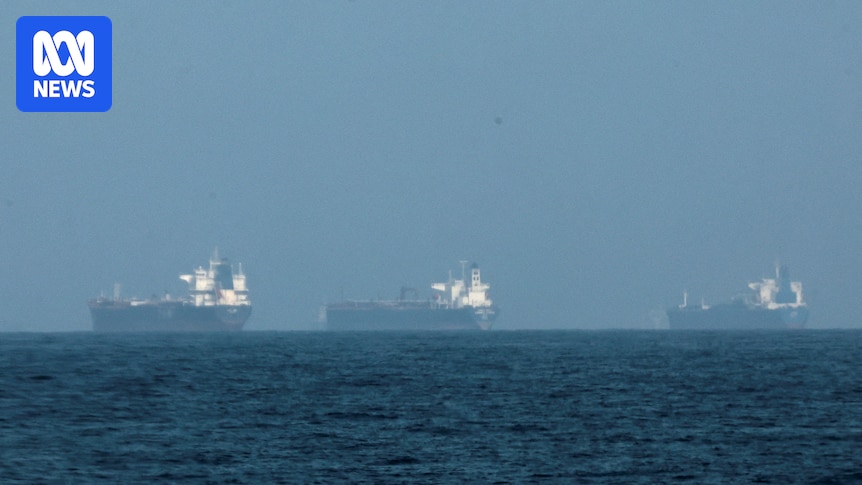
“We will continue to seize the boats that are sanctioned with court orders,” Rubio said. “We will continue to do that and potentially other things until the things we need to see addressed are addressed.”
President Trump, in an interview with The Atlantic, warned that if the interim Venezuelan president does not comply with US expectations, she would face severe consequences, potentially more severe than those faced by Maduro.
Casualties and Legal Proceedings
Defence Minister Padrino reported that a “large part” of Maduro’s security detail was killed during the US military strike. A Venezuelan official estimated the death toll at 80, according to the New York Times, though this figure remains unverified.
Currently, Maduro and his wife, Cilia Flores, are in custody in New York, where they are expected to appear in court on Monday for a “narco-terrorism” trial.
Historical Context and Future Implications
The capture of a sitting president by foreign forces is unprecedented in recent history, drawing parallels to Cold War-era interventions in Latin America. Experts suggest that the US’s aggressive stance could lead to further instability in the region.
According to political analyst Dr. Maria Gonzalez, “This move by the US could either lead to a new era of cooperation or further entrench existing divisions within Venezuela. The international community will be watching closely.”
As Venezuela navigates this tumultuous period, the global implications of US actions will continue to unfold, with potential ripple effects across Latin America and beyond. The coming weeks will be critical in determining the future trajectory of this beleaguered nation.