




Delays in the distribution of the Measles, Mumps, and Rubella (MMR) vaccine have been reported across several regions, raising public health concerns. The interruptions come at a critical time as health officials warn of a potential resurgence of these preventable diseases. The delays have been attributed to supply chain disruptions and increased demand.
The announcement comes as communities worldwide are grappling with the aftereffects of the COVID-19 pandemic, which has already strained healthcare systems. The World Health Organization (WHO) has emphasized the importance of maintaining routine immunization schedules to prevent outbreaks of diseases like measles, which can have severe health implications.
Understanding the Causes of Vaccine Delays
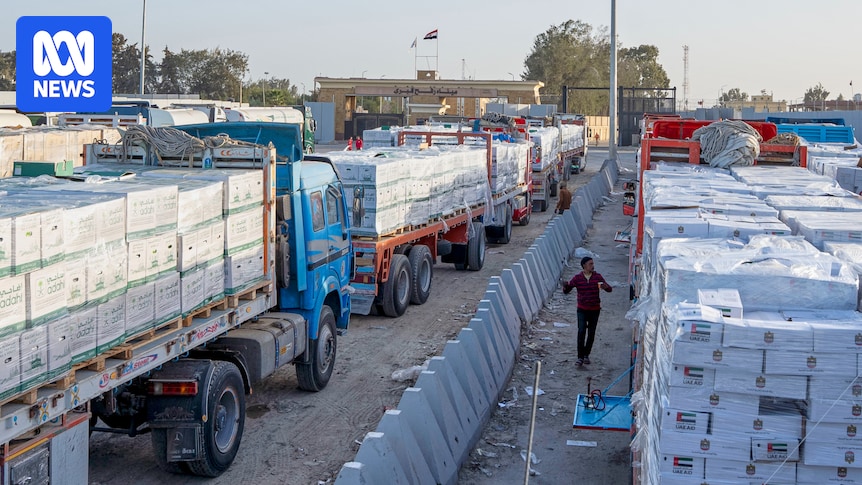
According to health experts, the vaccine delays are primarily due to logistical challenges in the supply chain. The pandemic has disrupted manufacturing processes and transportation networks, leading to bottlenecks in vaccine distribution. Additionally, the increased demand for vaccines has put further pressure on existing supplies.
Dr. Emily Carter, a public health specialist, explained, “The global health crisis has highlighted vulnerabilities in our supply chains. While efforts are being made to address these issues, it is crucial to prioritize the distribution of essential vaccines like the MMR to prevent outbreaks.”
Potential Impact on Public Health
The delays in vaccine distribution could have significant implications for public health. Measles, mumps, and rubella are highly contagious diseases that can lead to severe complications, especially in children. Without timely vaccination, communities may face outbreaks that could overwhelm healthcare systems already stretched thin by the pandemic.
In recent years, there have been several outbreaks of measles in countries with declining vaccination rates. The Centers for Disease Control and Prevention (CDC) reported that measles cases had surged to record highs in some regions, underscoring the need for vigilance in vaccination efforts.
“In 2019, measles cases worldwide increased by 556% compared to the previous year, highlighting the critical need for robust immunization programs,” the CDC noted.
Efforts to Mitigate the Delays
Health authorities are working to address the vaccine delays by exploring alternative supply routes and increasing production capacities. Governments are also collaborating with international organizations to ensure equitable distribution of vaccines, particularly in low-income countries that may be disproportionately affected by supply chain disruptions.
Meanwhile, public health campaigns are being intensified to raise awareness about the importance of vaccination and to encourage parents to ensure their children receive the MMR vaccine as soon as it becomes available. Community health workers are being mobilized to reach remote areas and provide vaccinations to underserved populations.
Looking Ahead: Ensuring Vaccine Access
The move represents a critical step in safeguarding public health and preventing future outbreaks. As global efforts continue to stabilize vaccine supplies, experts stress the importance of building resilient healthcare systems that can withstand future disruptions.
Dr. Carter emphasized, “Investing in robust healthcare infrastructure and ensuring vaccine equity are key to preventing future crises. We must learn from the challenges posed by the pandemic and work towards a more resilient and equitable global health system.”
As the world navigates the complexities of vaccine distribution, the focus remains on ensuring that no community is left vulnerable to preventable diseases. The lessons learned from the current challenges will be pivotal in shaping future public health strategies.