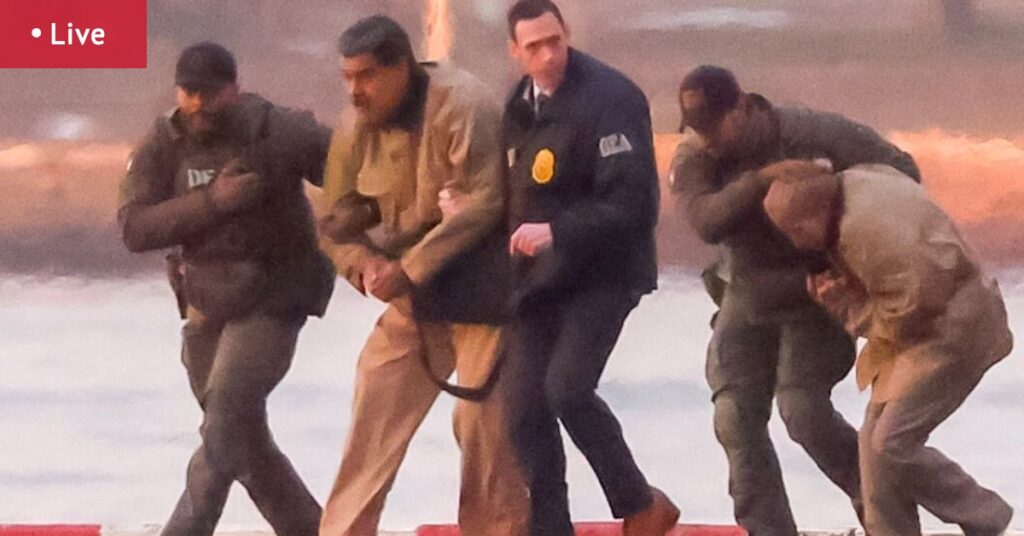
In a dramatic turn of events, Venezuelan President Nicolás Maduro appeared in a New York federal court on Tuesday, pleading not guilty to drug and weapons charges. This high-profile case follows his capture by US forces, which has sparked international condemnation and raised questions about the legality of the operation.
Maduro, shackled at the ankles, declared himself a “decent man” and claimed to be “kidnapped” by US authorities. His wife, Cilia Flores, also pleaded not guilty, with her legal team highlighting injuries sustained during her capture. The case has been adjourned to March 17, with pretrial filings expected to challenge the legality of the military abduction.
US Strategy and International Reactions
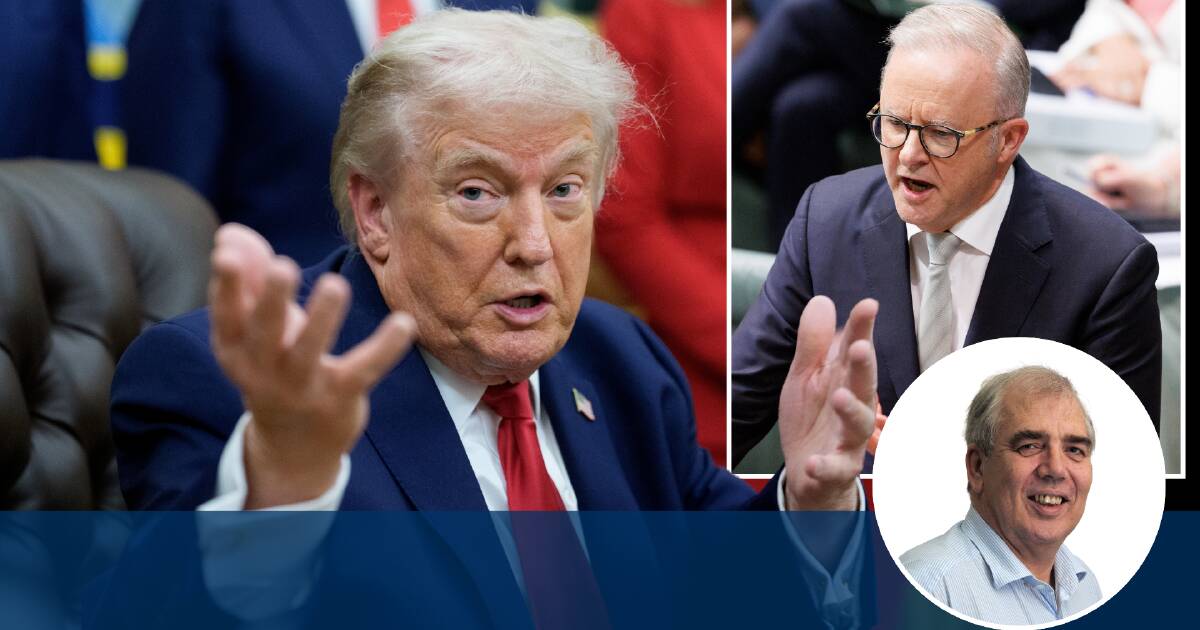
The capture of Maduro has placed US President Donald Trump in the global spotlight, with his administration facing criticism for bypassing Congress before the operation. Secretary of State Marco Rubio and Secretary of Defence Pete Hegseth briefed select lawmakers, defending the action as a law enforcement operation rather than a military invasion. However, Senate minority leader Chuck Schumer criticized the move, stating that “so-called nation building” undermines US interests.
The United Nations has condemned the US strike, expressing concerns over the lack of adherence to international law. Meanwhile, European leaders, including British Prime Minister Keir Starmer, have urged Trump to abandon any ambitions of acquiring Greenland, following his controversial remarks about the territory.
Venezuelan Political Landscape
Amidst the turmoil, Delcy Rodríguez has been sworn in as Venezuela’s interim president. Opposition leader Maria Corina Machado, who recently won the Nobel Peace Prize for her advocacy against Maduro, has vowed to transform Venezuela into an “energy hub of the Americas” and eliminate cartel activities. Machado praised Trump’s “courageous vision” in capturing Maduro but warned against collaborating with Rodríguez, whom she accused of being a key figure in Venezuela’s corruption.
Machado’s vision aligns with Trump’s call for investment in Venezuela’s natural resources, although the US president has declined to endorse her as a potential leader, citing a lack of support within the country.
Implications for US Foreign Policy
The capture of Maduro has intensified discussions about US foreign policy in Latin America. Senior White House aide Stephen Miller has suggested that the US could take control of Greenland without contest, further escalating tensions with Denmark. The strategic location and mineral resources of Greenland are seen as aligning with Washington’s ambitions to reduce dependence on Chinese exports.
Outgoing Republican congresswoman Marjorie Taylor Greene criticized the Venezuela strike, urging Trump to refocus on domestic policy. She expressed concerns over potential chaos in Venezuela, drawing parallels to previous US-led regime changes in Iraq and Syria.
Looking Ahead
As the legal proceedings against Maduro and Flores unfold, the international community remains on edge. The US Congress is expected to receive a detailed briefing on the administration’s plans for Venezuela, while European allies continue to back Denmark in the Greenland dispute.
The unfolding situation in Venezuela and Trump’s foreign policy maneuvers will likely have significant repercussions for US relations in Latin America and beyond. The world watches closely as the Trump administration navigates these complex geopolitical challenges.