


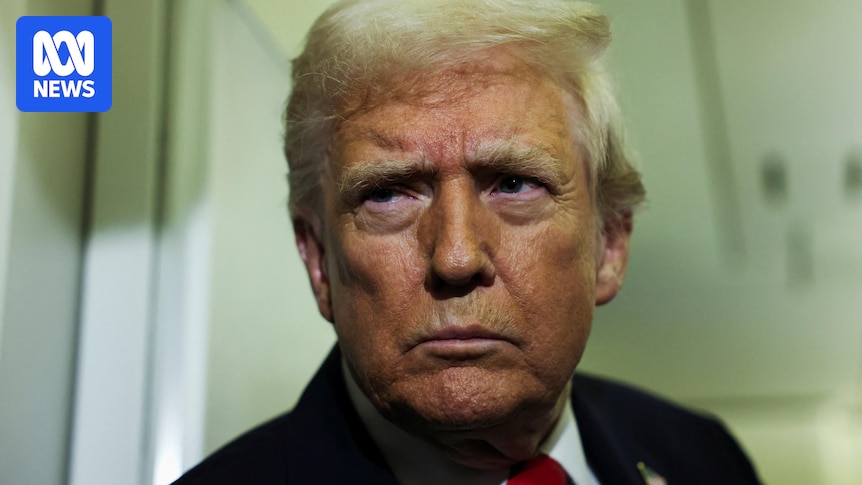
In a significant policy shift, the Trump administration has announced plans to require foreign tourists from visa-exempt countries, including Australia and New Zealand, to disclose their social media histories from the past five years before entering the United States. This proposal, published in the US Federal Register, aims to align the entry requirements for these travelers with those already in place for tourist visa applicants, who have been subject to similar scrutiny since 2019.
The proposal is currently open for public comment until early January, providing a 60-day window for feedback. If implemented, the new rules would impact citizens from 42 countries, including Britain, France, and Japan, who currently benefit from the Electronic System for Travel Authorization (ESTA), which has so far made the provision of social media information optional.
Expanding the Scope of Security Measures
Under the proposed changes, the inclusion of five years’ worth of social media data would become a mandatory component of ESTA applications. In addition to social media histories, applicants would be required to submit other “high-value data fields,” such as phone numbers from the past five years, email addresses from the last decade, personal details of family members, and biometric information.
This development follows a broader trend by the Trump administration to tighten entry requirements into the United States, part of a larger effort to curb both legal and illegal immigration. In recent months, student visa applicants have been instructed to make their social media profiles public to facilitate scrutiny by US officials, a rule that will soon apply to H-1B skilled worker visa applicants as well.
Concerns and Criticism
The move has sparked concern among legal and policy experts, who argue that these enhanced vetting measures represent an attempt to suppress critical online speech. According to a report by The Washington Post, experts warn that such policies could have a chilling effect on free expression, particularly for individuals who may be critical of US policies.
Moreover, there are fears that the impending changes could have unintended consequences, such as affecting international events. For instance, the United States is set to co-host the World Cup with Mexico and Canada in 2026, and there are worries that the new requirements could lead to soccer fans being turned away at the border.
Historical Context and Implications
The announcement comes as part of a historical pattern of increased security measures in the post-9/11 era, where the balance between national security and individual privacy has been continually recalibrated. The introduction of social media scrutiny for visa applicants in 2019 marked a significant shift towards digital vetting, reflecting broader global trends in immigration policy.
According to sources, the Trump administration’s approach aligns with similar measures in other countries, such as the United Kingdom and Canada, which have also implemented stringent entry requirements in recent years. However, the US proposal’s focus on social media history is notably expansive, raising questions about privacy rights and the potential for misuse of personal data.
Next Steps and Public Response
As the public comment period progresses, stakeholders from various sectors, including civil liberties organizations, travel industry representatives, and international diplomats, are expected to weigh in on the proposal. The feedback gathered during this period will likely influence the final decision on whether the new rules will be enacted.
Meanwhile, travelers from affected countries are advised to stay informed about the potential changes and prepare for possible adjustments to their travel plans. The outcome of this proposal will not only impact the immediate future of international travel to the US but also set a precedent for how digital information is used in global immigration practices.