




Washington: In a significant shift in travel policy, Australian travelers will soon be required to provide their social media details to U.S. authorities when entering the country under the popular visa waiver program. This change is part of the Trump administration’s new rules aimed at “enhanced vetting” of foreign nationals.
The move is set to complicate the process of applying for a visa waiver, with U.S. authorities planning to collect a broader range of personal information. This includes five years of phone numbers, ten years of email addresses, IP addresses, metadata from electronically submitted photos, biometrics, and information about family members.
Enhanced Vetting Measures
Australia is among 42 countries that participate in the Visa Waiver Program, which allows visitors to enter the U.S. for up to 90 days using the Electronic System for Travel Authorization (ESTA). This waiver is typically granted quickly and costs approximately $60.
According to a notice filed by U.S. Customs and Border Protection (CBP) and the Department of Homeland Security, ESTA applicants will now be required to provide the names of their social media accounts from the past five years. Previously, providing such information was voluntary.
“CBP is adding social media as a mandatory data element for an ESTA application,” the notice stated. “The data element will require ESTA applicants to provide their social media from the last five years.”
This change aligns with an executive order from former President Donald Trump, titled “Protecting the United States From Foreign Terrorists and Other National Security and Public Safety Threats.” The order aims to re-establish a uniform baseline for screening and vetting standards.
Implications for Travelers
The proposed changes, open to public comment for 60 days, must be approved by the Office of Management and Budget, led by Trump appointee Russell Vought. U.S. immigration advisory firm Fragomen has warned that these changes could lead to increased scrutiny for ESTA applicants.
“The increase in data collection could also mean that ESTA applicants would face an increased likelihood of being flagged for closer scrutiny and/or would experience longer waits for ESTA approval,” Fragomen stated.
In 2024, over one million Australians traveled to the U.S., with most using the visa waiver program for short stays. However, from January to October this year, the number of Australian visitors has decreased by 5.6%, according to U.S. data.
International Reactions and Historical Context
Australia’s Department of Foreign Affairs and Trade has been contacted for comment. Other countries affected by the new policy include the United Kingdom, France, Germany, Israel, Japan, New Zealand, and Qatar.
In a related incident, Australian citizen Alistair Kitchen was detained and questioned at the U.S. border in June about his participation in pro-Palestinian protests and his views on the Israeli-Palestinian conflict. He was ultimately deported back to Australia after admitting to past drug use.
The latest policy changes expand on the Trump administration’s immigration crackdown following a recent incident involving an Afghan refugee charged with the shooting of two National Guard troops in Washington.
Looking Ahead
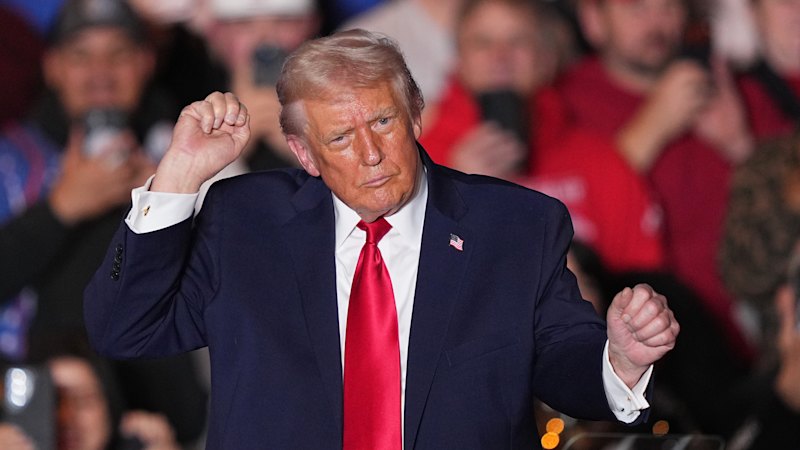
The U.S. plans to expand the travel ban initiated by Trump in June to include 19 countries, with 12 facing a complete ban and seven a partial one. At a recent rally in Pennsylvania, Trump reiterated his controversial stance on immigration, referring to certain nations with derogatory language.
“We had a meeting, and I say, ‘Why is it that we only take people from shithole countries?’ Trump told the rally. “Why can’t we have some people from Norway, Sweden, just a few … but we always take people from Somalia, places that are a disaster – filthy, dirty, disgusting, ridden with crime.”
As the U.S. continues to tighten its immigration policies, travelers from Australia and other visa waiver countries must prepare for increased scrutiny and longer processing times. The implications of these changes are yet to be fully realized, but they signal a significant shift in U.S. travel policy under the Trump administration.