
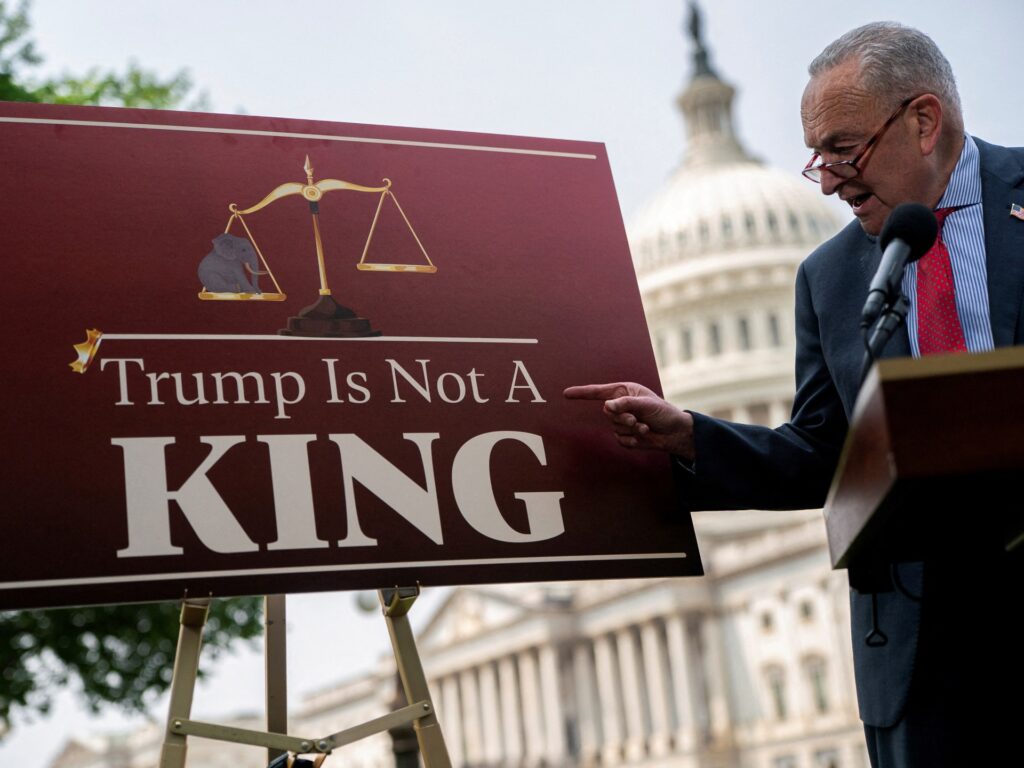
Lawmakers from the Democratic Party have condemned recent U.S. military strikes on Iran, describing them as a “dangerous” and “unnecessary” escalation. They are urging the Senate to swiftly vote on legislation that would restrict the president’s ability to initiate further military action without congressional approval. This legislative push comes in response to President Donald Trump’s decision to order the attacks, which some lawmakers view as a significant overreach of executive power.
Senator Tim Kaine, a key figure in the Senate Armed Services and Foreign Relations Committees and the primary author of the war powers resolution, criticized Trump’s decision as a “colossal mistake.” Kaine emphasized the urgency of the situation, stating, “The Senate should immediately return to session and vote on my War Powers Resolution to block the use of U.S. forces in hostilities against Iran. Every single Senator needs to go on the record about this dangerous, unnecessary, and idiotic action.”
Democratic Leaders Demand Action
House of Representatives Minority Leader Hakeem Jeffries echoed Kaine’s sentiments, highlighting the commitment of House Democrats to force a floor vote on measures aimed at restricting Trump’s war powers concerning Iran. “Donald Trump failed to seek Congressional authorization prior to striking Iran,” Jeffries stated. “Instead, the President’s decision to abandon diplomacy and launch a massive military attack has left American troops vulnerable to Iran’s retaliatory actions.”
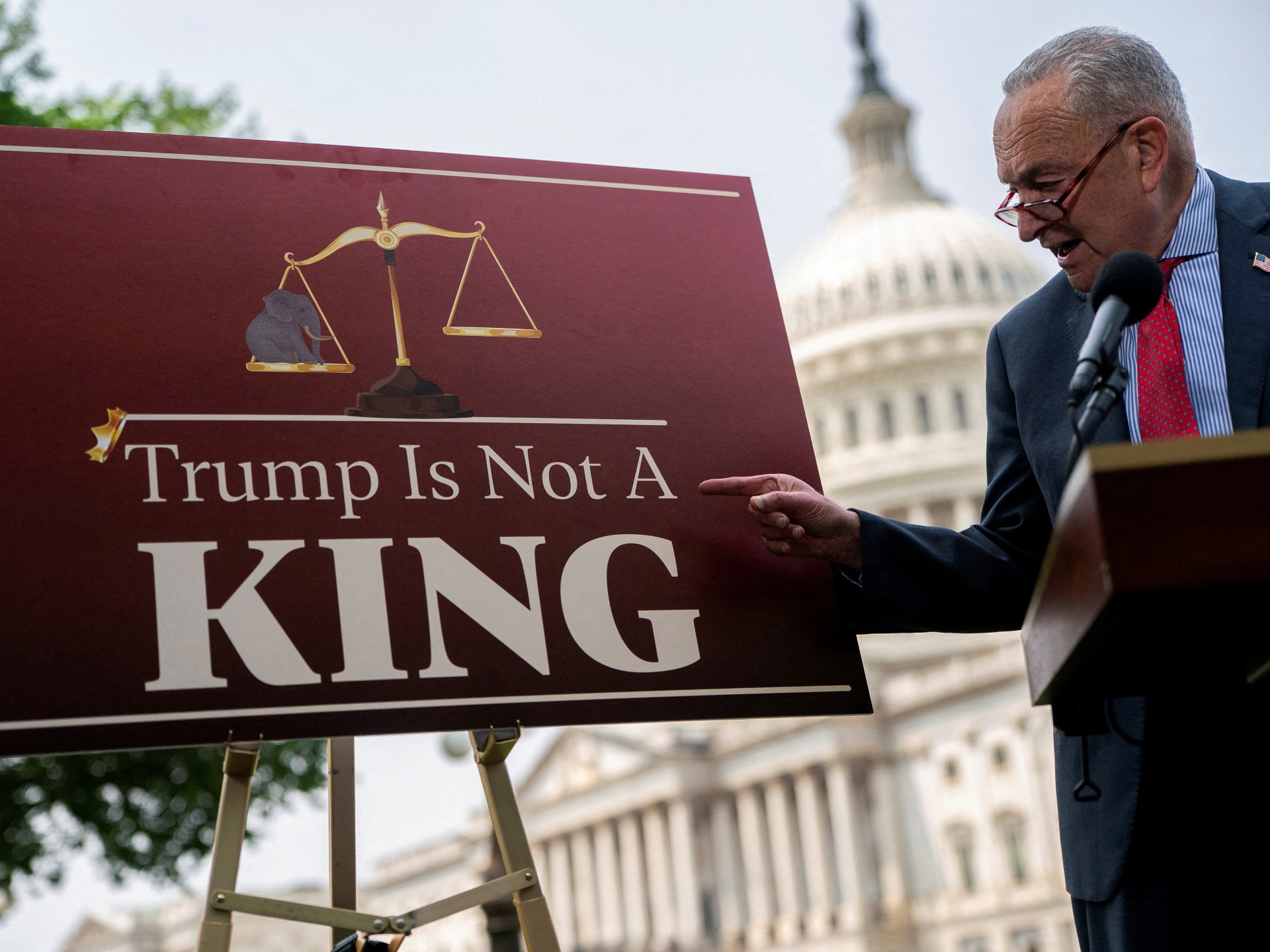
The push for legislative oversight of the president’s military authority is gaining traction, with bipartisan support emerging in the Senate, where the Republican Party holds a slim majority. Senate Minority Leader Chuck Schumer has called for an immediate briefing of Congress regarding the Iran strikes, including an all-senators classified session and public testimony, criticizing the administration for its lack of transparency.
“The administration has not provided Congress and the American people with critical details about the scope and immediacy of the threat,” Schumer said.
Bipartisan Concerns and Historical Parallels
Senator Mark Warner, vice chairman of the Senate Select Committee on Intelligence, expressed concerns about the strikes, describing them as “a deeply consequential decision that risks pulling the United States into another broad conflict in the Middle East.” Warner questioned the urgency and intelligence behind the attack, warning against repeating “mistakes of the past,” such as the Iraq war.
“The American people have seen this playbook before – claims of urgency, misrepresented intelligence, and military action that pulls the United States into regime change and prolonged, costly nation-building,” Warner said.
While the initiative to limit executive military authority is predominantly driven by Democrats, a notable faction of Republican lawmakers is also supporting the effort. Representative Thomas Massie, one of the most vocal critics, labeled the strikes as “acts of war unauthorized by Congress.”
“I am opposed to this War. This is not America First,” Massie wrote on X.
Republican Support for Legislative Oversight
In the Senate, Republican Senator Rand Paul, a co-sponsor of the war powers resolution, has also voiced his opposition, citing constitutional principles. “My oath of office is to the Constitution, so with studied care, I must oppose another Presidential war,” Paul stated on X.
The call for legislative oversight reflects a growing concern among lawmakers about the balance of power between the executive branch and Congress, particularly in matters of military engagement. This development follows a series of controversial military decisions by the Trump administration, which have sparked debates over the need for a more defined legislative framework to govern the use of military force.
As the debate unfolds, the implications for U.S. foreign policy and military strategy remain significant. The outcome of the legislative push could redefine the scope of presidential authority in military matters, setting a precedent for future administrations. With bipartisan support building, the Senate’s response to the proposed war powers resolution will be closely watched by both domestic and international observers.
The next steps involve potential Senate sessions to discuss and vote on the resolution, which could have lasting impacts on U.S. military policy and the constitutional balance of power. As lawmakers continue to debate, the American public and global community await the resolution of this critical issue.