




The United States is set to pursue a collaborative pricing mechanism for rare earth minerals with its allies during a series of high-level meetings in Washington next week. This initiative aims to protect refiners and extractors from volatile market conditions, a senior official from the Trump administration revealed.
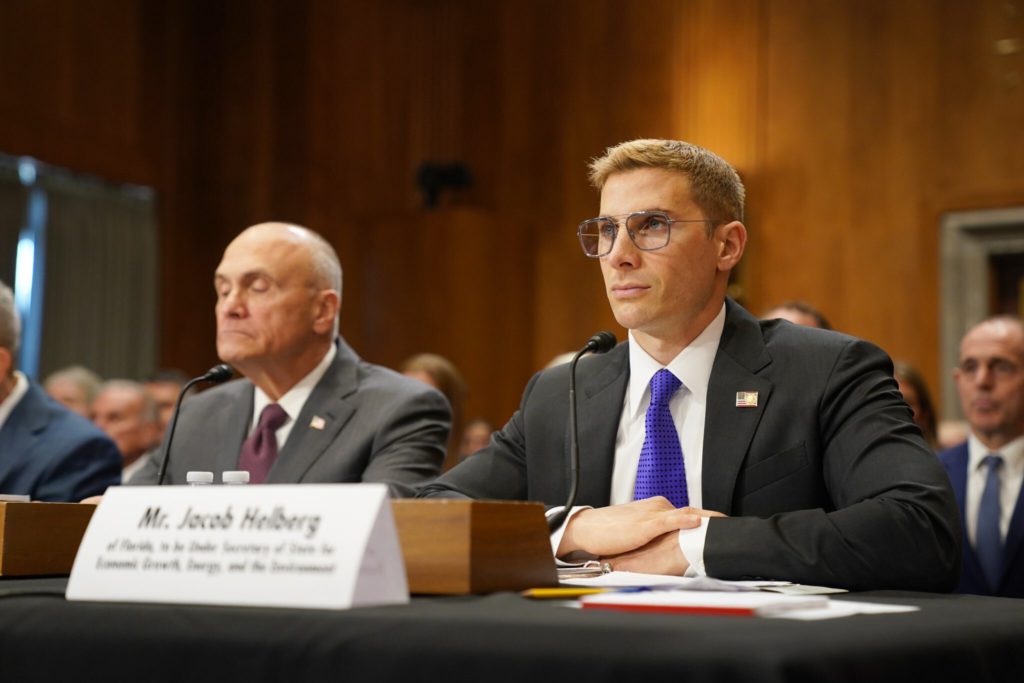
In an exclusive interview with Bloomberg News, US Under Secretary of State for Economic Affairs Jacob Helberg expressed optimism about the upcoming discussions. He anticipates significant “momentum and excitement” towards establishing a coordinated pricing strategy to ensure stability for those in the mineral refining and extraction sectors.
Strategic Importance of Rare Earths
The talks are expected to be a “central pillar” of the summit, with Helberg describing a pricing mechanism as “the key unlock” to securing a stable supply of rare earths. This move comes in response to China’s aggressive pricing strategies, which have historically undercut global markets. The concern over access to these critical materials has grown since China implemented an export licensing regime last year, threatening to restrict supply.
While Helberg refrained from detailing the proposed pricing mechanism, he indicated that the White House and US Trade Representative Jamieson Greer could provide further insights. “The key is getting other countries to sign on,” Helberg stated, emphasizing the importance of international cooperation.
Challenges and Strategic Responses
China’s dominance in the rare earths market presents significant challenges, particularly as low-priced minerals continue to flood international markets despite US tariffs. To counteract this, the US and its allies must establish a market framework that excludes Chinese influence, ensuring producers can operate without the threat of being undercut.
In a bid to strengthen the rare earths supply chain outside of China, the US has initiated several government investments in mining and refining companies, such as MP Materials Corp., Vulcan Metals, and Lithium Americas Corp. This week, the Commerce Department signed a non-binding agreement with USA Rare Earth Inc., securing $1.6 billion in US funding.
Policy Tools and Future Implications
President Donald Trump’s recent proclamation on rare earths underscores the possibility of implementing price floors for critical minerals. This could involve “minimum import prices” and potential future tariffs to address supply chain vulnerabilities. Although these measures remain in reserve, they could be activated to counteract artificially low-priced imports, thereby supporting domestic and allied producers.
Such tactics mirror those used in conventional anti-dumping and anti-subsidization cases, where duties are imposed to neutralize foreign subsidies and low prices, ultimately bolstering domestic industries. Potential tariffs could also establish a price floor for other foreign suppliers of critical minerals.
“This approach gives American manufacturers the confidence they need to invest, expand, and rebuild critical supply chains here at home,” said Nick Iacovella, executive vice president of the Coalition for a Prosperous America, in an email.
Looking Ahead
The upcoming discussions in Washington represent a crucial step in reshaping the global rare earths market. By fostering international cooperation and establishing a robust pricing mechanism, the US aims to mitigate China’s market influence and secure a reliable supply chain for these essential materials.
As the world increasingly relies on rare earths for technological advancements, the outcomes of these meetings could have far-reaching implications for global trade and economic stability. The US’s strategic moves in this arena will likely influence future policy decisions and international relations concerning critical mineral resources.