If you’re planning to visit the United States next year, it might be time to review your social media history for any critical comments about the US over the past five years. The US government is proposing that visa-exempt foreign tourists, including Australians, disclose information about their social media, email accounts, phone numbers, and extensive family history to the Department of Homeland Security before being approved for travel.
This proposal raises questions for Australians planning to travel to the US for leisure, business, study, or to attend events like the men’s Football World Cup next year. How will these changes impact Australian travelers, and what does the current process involve?
Current Travel Process for Australians
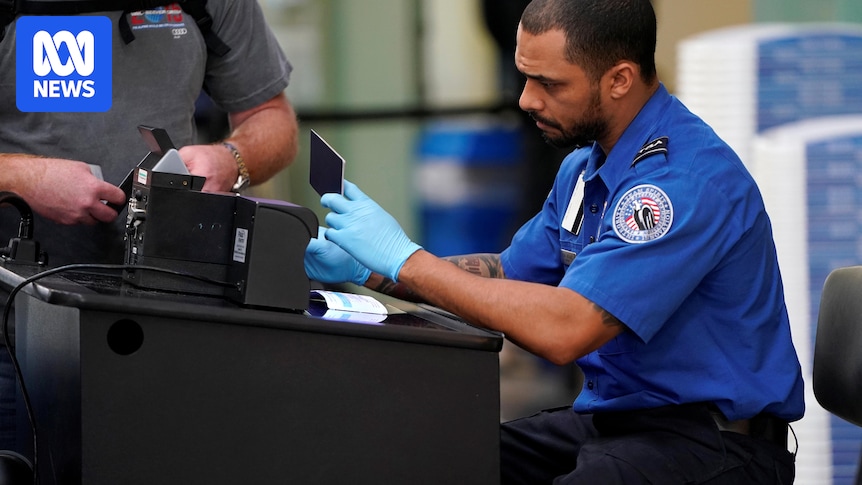
Australia is part of the US Visa Waiver Program, which includes 42 countries. This program allows citizens to apply through the Electronic System for Travel Authorization (ESTA) for visits of 90 days or less. Unlike traditional visa applicants, ESTA applicants typically do not require an interview at a US embassy or consulate.
An ESTA application costs $US40 (approximately $60 AUD) and currently asks for limited information, such as parents’ names and a current email address. Since December 2016, listing social media usernames for the past five years has been optional, but the new proposal would make it mandatory. Some Australians have already reported being denied entry to the US and questioned about their online activities.
US Customs and Border Protection conducted 51,000 basic media searches and 4,000 advanced media searches of electronics at ports of entry in 2025, marking a 15% increase from 2024. The majority of these searches (42,000) involved foreign nationals.
The Department of Foreign Affairs and Trade (DFAT) has updated its travel advice for the US on the Smartraveller website multiple times in 2025, highlighting strict entry requirements and potential volatility due to demonstrations.
Background and Policy Evolution
The roots of this proposal trace back to former President Donald Trump’s “extreme vetting” policy for visitors and potential immigrants, which began with a travel ban on seven predominantly Muslim countries in 2017. During his first term, Trump issued several executive orders related to visas and immigration, many of which faced legal challenges.
In 2019, the Trump administration required travelers from non-visa waiver countries to provide social media details for the past five years. However, countries like Australia, the UK, and New Zealand were exempt. This policy continued under President Joe Biden’s administration.
In June, the US State Department directed student visa applicants to make their social media profiles public for “comprehensive and thorough vetting.” This rule will extend to H-1B skilled worker visa applicants and their dependents starting December 15.
“We want safety, we want security, we want to make sure we’re not letting the wrong people come into our country,” former President Trump stated regarding the measure.
Details of the Proposed Requirements
Besides social media history, the proposal indicates that US Customs and Border Protection will request additional information, including phone numbers used over the past five years and email addresses used over the past decade. They will also seek metadata from electronically submitted photos and extensive information from the applicant’s family members, such as their birthplaces and phone numbers.
The proposal includes an option for non-US citizens to provide a selfie upon departure from America, which customs can use to track their location and confirm their exit from the country.
Potential Targets and Concerns
International law expert Professor Donald Rothwell from the Australian National University highlighted that individuals active on social media and critical of US policies are most at risk. Dr. Rothwell, who has declined invitations to speak in the US since June, represents a growing number of academics opting out of US travel.
Global Comparisons and Travel Implications
While it is not standard for Western democracies to require social media history access, travelers must be aware of local laws worldwide, including in the Middle East, parts of Asia, and Russia. DFAT advises Australians against traveling to Russia, labeling Australia as an “unfriendly” nation.
In Russia, travelers may face data requests from phones and electronic devices, with some held for hours for checks. Middle Eastern countries have strict social media laws, especially regarding government criticism. In China, social media platform access is banned, and arrests have occurred for online posts.
DFAT advises, “If you have made public comments on social media that may be construed as blasphemous, do not travel to Pakistan.”
Impact on Travel to the US
The number of Australians traveling to the US dropped earlier this year but has since increased. Asked whether the measure might affect US tourism, Trump expressed no concern, emphasizing safety and security.
A Customs and Border Protection spokesperson described the notice as “the first step in starting a discussion to develop new policy options to keep the American people safe.”
Next Steps and Reactions
The public has 60 days to comment on the proposed changes, published on Wednesday, before they take effect. It seems unlikely that Australia will oppose them, with Prime Minister Anthony Albanese acknowledging the US’s right to set entry rules as a sovereign nation.
A DFAT spokesperson reiterated that visa conditions are determined by the issuing country, advising Australians to check US entry, registration, transit, and exit requirements and understand all relevant terms and conditions before attempting to enter the United States.