


The United States is set to significantly reduce its military presence in Syria over the coming months, according to a senior White House official who spoke to the BBC. This move comes as the Syrian government agrees to take a more proactive role in combating terrorism within its borders, reducing the need for a large-scale American military presence.
American forces have been stationed in Syria since 2015, primarily to counter the influence of the Islamic State (ISIS). However, President Donald Trump has decided to increase military deployments in the Middle East due to escalating tensions with Iran, prompting the withdrawal from Syria.
Strategic Shift in US Military Presence
The decision to withdraw approximately 1,000 troops from Syria is part of a conditions-based strategy. The US military remains prepared to respond to any emerging threats in the region. This development was first reported by the Wall Street Journal and coincides with an increased US military presence near Iran.
BBC Verify has confirmed the strategic positioning of the USS Abraham Lincoln, an aircraft carrier equipped with guided missile destroyers and numerous fighter jets, near Iran. Additionally, the USS Gerald R Ford, touted as the world’s largest warship, is en route to the Middle East and is expected to arrive within three weeks.
Background and Recent Developments in Syria
Earlier this year, US troops vacated two key bases in Syria: the al Tanf garrison in the south and the al Shaddadi base in the northeast. These movements follow the collapse of the Assad government in 2024 and a significant weakening of ISIS, leading to improved security conditions in Syria.
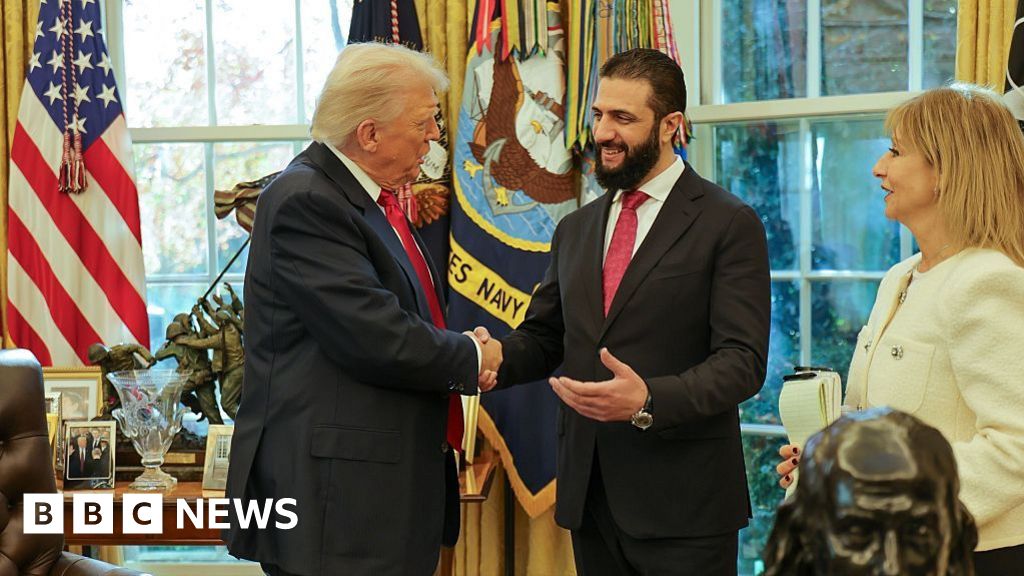
In the wake of these changes, the Trump administration has been working to strengthen diplomatic relations with Damascus. Syrian President Ahmed al-Sharaa’s historic visit to the White House in November marked a new chapter in US-Syrian relations. The Syrian government has sometimes clashed with local military factions but reached an agreement in January to integrate the Kurdish-led Syrian Democratic Forces into its national army.
Diplomatic Efforts and Regional Implications
Secretary of State Marco Rubio recently met with Syrian Foreign Minister Asaad al-Shaibani to discuss the ongoing ceasefire and express concerns about the continued fight against terrorism. These diplomatic efforts underscore the US’s commitment to maintaining stability in the region while recalibrating its military strategy.
Broader Middle East Tensions and US Readiness
Senior national security officials have indicated that President Trump has instructed the US military to be ready for potential strikes on Iran, although no final decision has been made. This readiness reflects the heightened tensions between the US and Iran, which have been exacerbated by recent developments.
The announcement of the troop withdrawal from Syria occurs against the backdrop of increased US military deployments in the Middle East. This strategic repositioning is aimed at addressing the perceived threats from Iran while reducing the American footprint in Syria.
Expert Opinions and Future Prospects
Experts suggest that the US’s decision to withdraw troops from Syria while bolstering its presence near Iran reflects a shift in focus towards addressing broader regional threats. This move could have significant implications for regional stability and the ongoing fight against terrorism.
As the US continues to navigate its complex relationships in the Middle East, the balance between military presence and diplomatic engagement will remain a critical factor in shaping future policy decisions. The international community will be closely watching how these developments unfold and their impact on regional dynamics.
In conclusion, the US’s planned withdrawal from Syria marks a pivotal moment in its Middle Eastern strategy, with potential ramifications for both regional security and global diplomatic relations. The coming months will be crucial in determining the effectiveness of this strategic shift and its implications for US foreign policy.