



The United States is preparing to significantly reduce its military presence in Syria over the coming months, according to a senior White House official. The official disclosed to the BBC that the Syrian government has agreed to take a leading role in combating terrorism within its borders, rendering a large-scale American military presence unnecessary.
American troops have been stationed in Syria since 2015 as part of an anti-terrorism initiative aimed at countering the influence of the Islamic State (ISIS). The decision to withdraw comes as President Donald Trump increases military deployments in the Middle East amid escalating tensions with Iran.
Strategic Shift in US Military Presence
The official emphasized that the withdrawal of approximately 1,000 troops from Syria is part of a conditions-based transition. The United States remains committed to responding to any potential threats in the region. This development follows the Wall Street Journal’s initial report and coincides with an increased US military presence near Iran.
BBC Verify has confirmed the deployment of the USS Abraham Lincoln, an aircraft carrier equipped with guided missile destroyers and numerous fighter jets, near Iran. Additionally, the USS Gerald R Ford, the world’s largest warship, is en route to the Middle East and is expected to arrive within the next three weeks.
Context of US Military Movements
Senior national security officials have indicated to CBS News, a BBC media partner, that President Trump has instructed the military to be prepared for potential strikes on Iran, although no final decision has been made. In Syria, US forces had already vacated two bases earlier this year: the al Tanf garrison in the south and the al Shaddadi base in the northeast.
These movements occur in the wake of the Assad government’s collapse in 2024 and a significantly weakened ISIS, leading to improved security conditions in Syria. Since then, the Trump administration has worked to bolster diplomatic relations with Damascus and enhance its partnership with Syrian President Ahmed al-Sharaa.
Diplomatic Efforts and Regional Implications
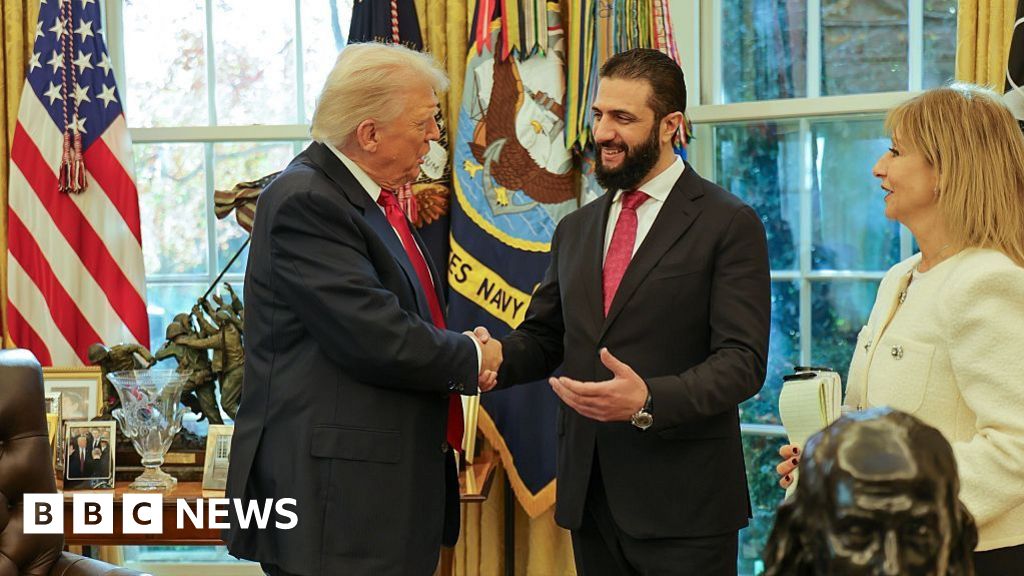
President al-Sharaa’s visit to the White House in November marked the first such visit by a Syrian leader, highlighting the evolving diplomatic landscape. Despite occasional clashes with local military groups, the Syrian government reached an agreement in January to integrate the Kurdish-led Syrian Democratic Forces into its armed forces.
Last week, Secretary of State Marco Rubio met with Syrian Foreign Minister Asaad al-Shaibani to discuss maintaining the ceasefire. Rubio also expressed concerns about ongoing anti-terrorism efforts.
“The decision to withdraw troops from Syria is a strategic recalibration, reflecting both improved conditions on the ground and broader geopolitical considerations,” said a senior US defense analyst.
Looking Ahead: Regional Stability and Security
The US troop withdrawal from Syria represents a significant shift in American military strategy in the region. As the Syrian government assumes greater responsibility for its internal security, the focus may shift to ensuring long-term stability and addressing the complex dynamics involving regional powers like Iran.
As the situation evolves, the international community will closely monitor how these changes impact both Syria’s internal affairs and broader Middle Eastern geopolitics. The potential for renewed diplomatic engagements and security collaborations could reshape the region’s future.
With the US poised to recalibrate its military commitments, the coming months will be critical in determining the trajectory of peace and security in the Middle East.