
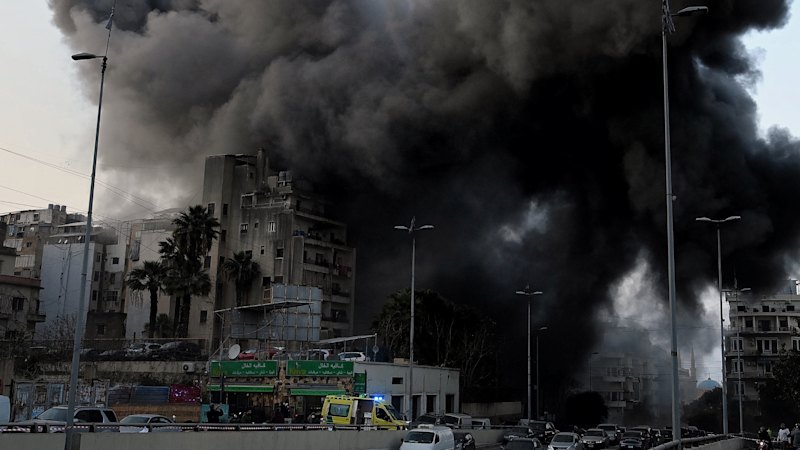

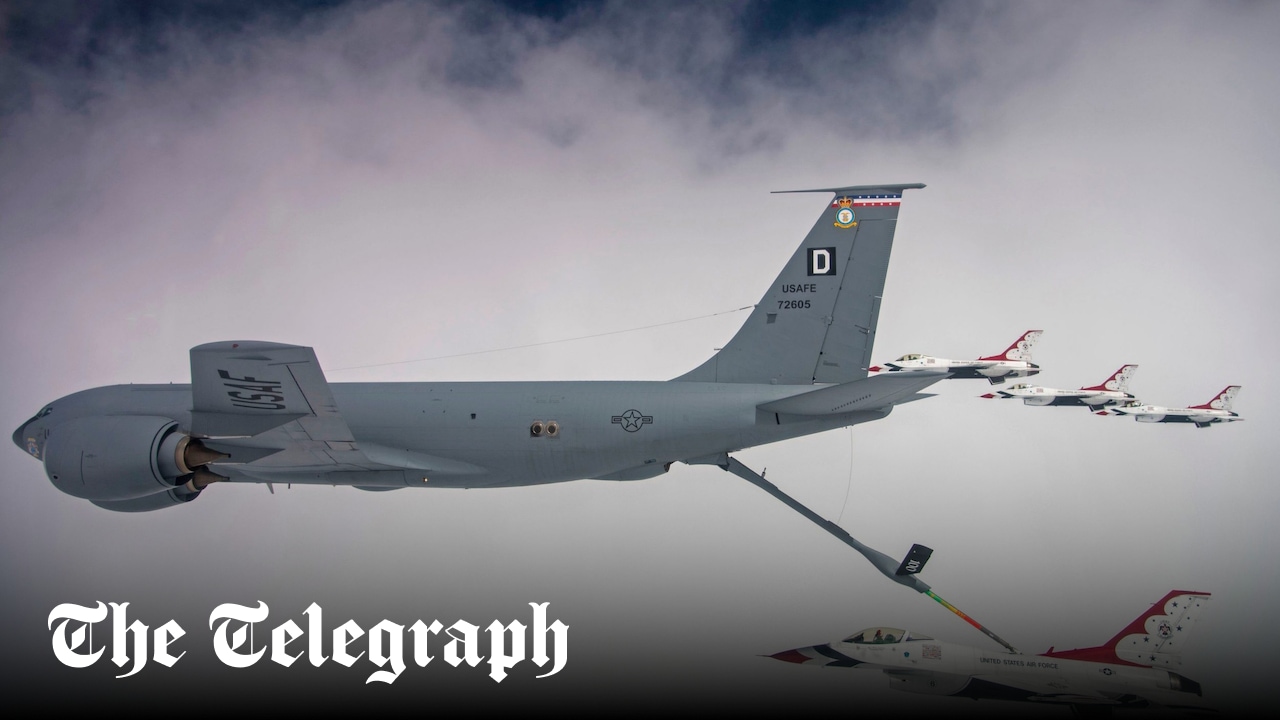
A US military plane crashed in western Iraq on Thursday, prompting a rescue mission to locate the crew and recover the KC-135 tanker. The incident occurred during Operation Epic Fury, a large-scale military operation in the region.
The crash involved two KC-135 aircraft, which were participating in the operation in friendly airspace. According to a statement posted on Centcom’s X account, one of the aircraft, a refueling tanker, went down with six service members onboard. The second aircraft landed safely, but the status of the crew from the crashed plane remains unknown, as reported by CBS News.
Conflicting Claims and Military Response
Despite claims from an Iran-backed armed group, Islamic Resistance in Iraq, that they downed the aircraft in defense of their country’s sovereignty, US military officials have not confirmed this. A Centcom statement clarified that the crash was not due to hostile or friendly fire.
Operation Epic Fury, initiated under former President Donald Trump, represents a significant concentration of US military power in the region. It has been a focal point of conflict, with significant casualties reported on both sides.
Casualties and Costs of Conflict
The ongoing conflict has resulted in over a thousand deaths in Iran, including a tragic incident involving a primary school. A preliminary report suggested that outdated targeting data led to the US mistakenly conducting the strike that killed 175 people, mostly young girls.
Retaliatory strikes by Iran have resulted in the deaths of seven US troops stationed in Kuwait and Saudi Arabia. The Pentagon has reported approximately 140 injuries among US service members since the conflict began, with many already returning to duty.
“The vast majority of these injuries have been minor, and 108 service members have already returned to duty,” Pentagon spokesman Sean Parnell told PBS.
Economic and Political Implications
The conflict, beyond its human toll, has significant economic ramifications. The US has reportedly spent billions, including $5 billion on munitions alone. The closure of the Strait of Hormuz by Iran has exacerbated global oil market instability, causing prices to surge.
Iran’s supreme leader, Mojtaba Khamenei, has vowed to keep the strait closed as a strategic pressure point. This move has led to further attacks on tankers in the Gulf, pushing oil prices to potentially surpass previous peaks.
Investment bank Goldman Sachs noted that oil prices could exceed past highs if the strait remains closed through the month.
Political Repercussions and Future Outlook
The rising energy costs and military casualties are likely to influence American voters in the upcoming midterm elections. Democrats have seized on the issue, questioning the administration’s transparency and the war’s cost.
Senator Richard Blumenthal expressed concerns, stating, “The American people deserve to know much more than this administration has told them about the cost of the war, the danger to our sons and daughters in uniform, and the potential for further escalation.”
As the conflict continues, the US administration faces mounting pressure to resolve the situation and stabilize oil markets. President Trump has assured that efforts are underway to end the war and reduce oil prices, but the path forward remains uncertain.