
The United Nations has called for an investigation into a deadly attack on a girls’ school in Iran, urging those responsible to provide clarity on the incident. The attack has been described as “horrific” by UN spokesperson Ravina Shamdasani during a Geneva press briefing. She emphasized the need for accountability, stating that the images from the scene capture the “essence of destruction, despair, and senseless cruelty.”
Meanwhile, the United States has closed its embassies in Saudi Arabia and Kuwait following reported drone attacks. According to the Saudi Ministry of Defence, Iran targeted the US embassy in Riyadh with two drones, causing minor damage but no injuries. In response to rising security concerns, Washington has ordered the evacuation of non-essential staff from several regional posts.
Trump’s Firm Stance and Global Oil Market Impact
US President Donald Trump has dismissed Iranian requests for further talks, declaring that Iran’s military capabilities have been significantly diminished. Posting on Truth Social, Trump stated, “Their air defense, Air Force, Navy, and Leadership is gone. They want to talk. I said ‘Too Late!'” This statement was shared alongside a Washington Post opinion piece by Marc A. Thiessen, suggesting the emergence of a “Trump Doctrine” aimed at ending prolonged conflicts in the Middle East.
The escalating conflict has severely impacted global oil markets. Crude oil benchmarks have surged approximately 8% as the US-Israeli conflict with Iran disrupts fuel shipments. Brent crude futures rose to $83.79 a barrel, while US West Texas Intermediate crude climbed to $76.54. The closure of the Strait of Hormuz, a critical passage for global oil supplies, has exacerbated fears of further disruptions.
“While there are concerns about oil flows through the Strait of Hormuz, a greater risk to the market would be Iran targeting additional energy infrastructure in the region,” ING analysts noted.
Regional Repercussions and Global Reactions
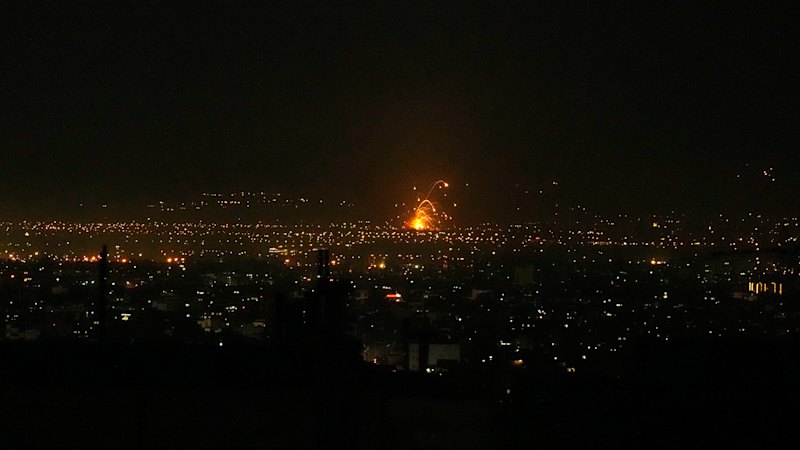
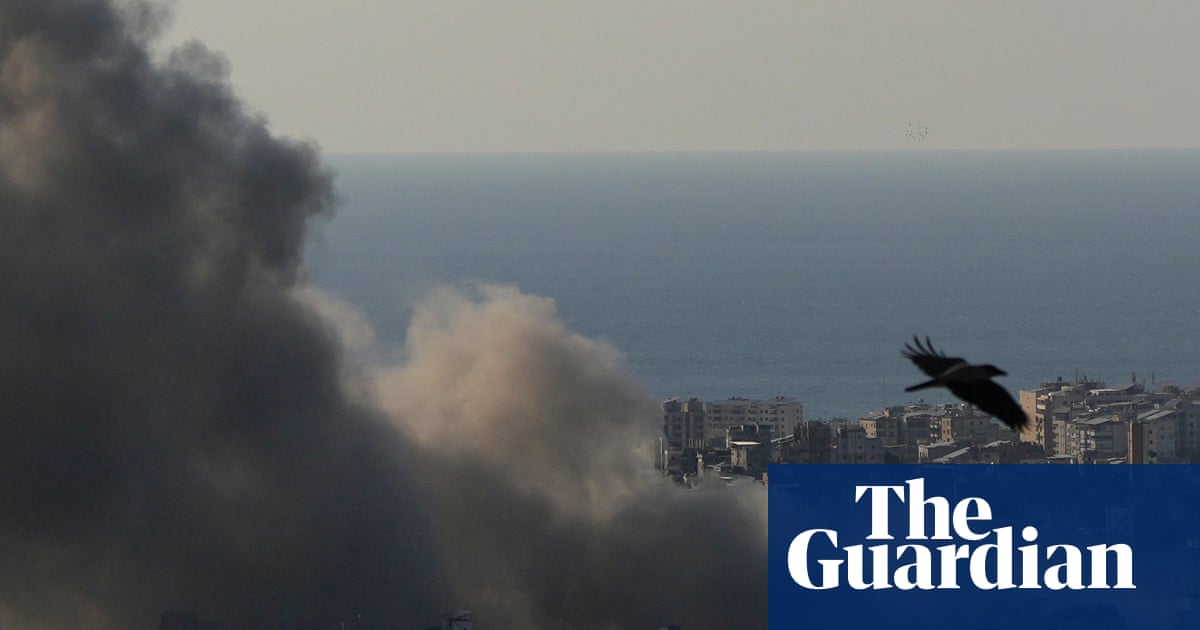
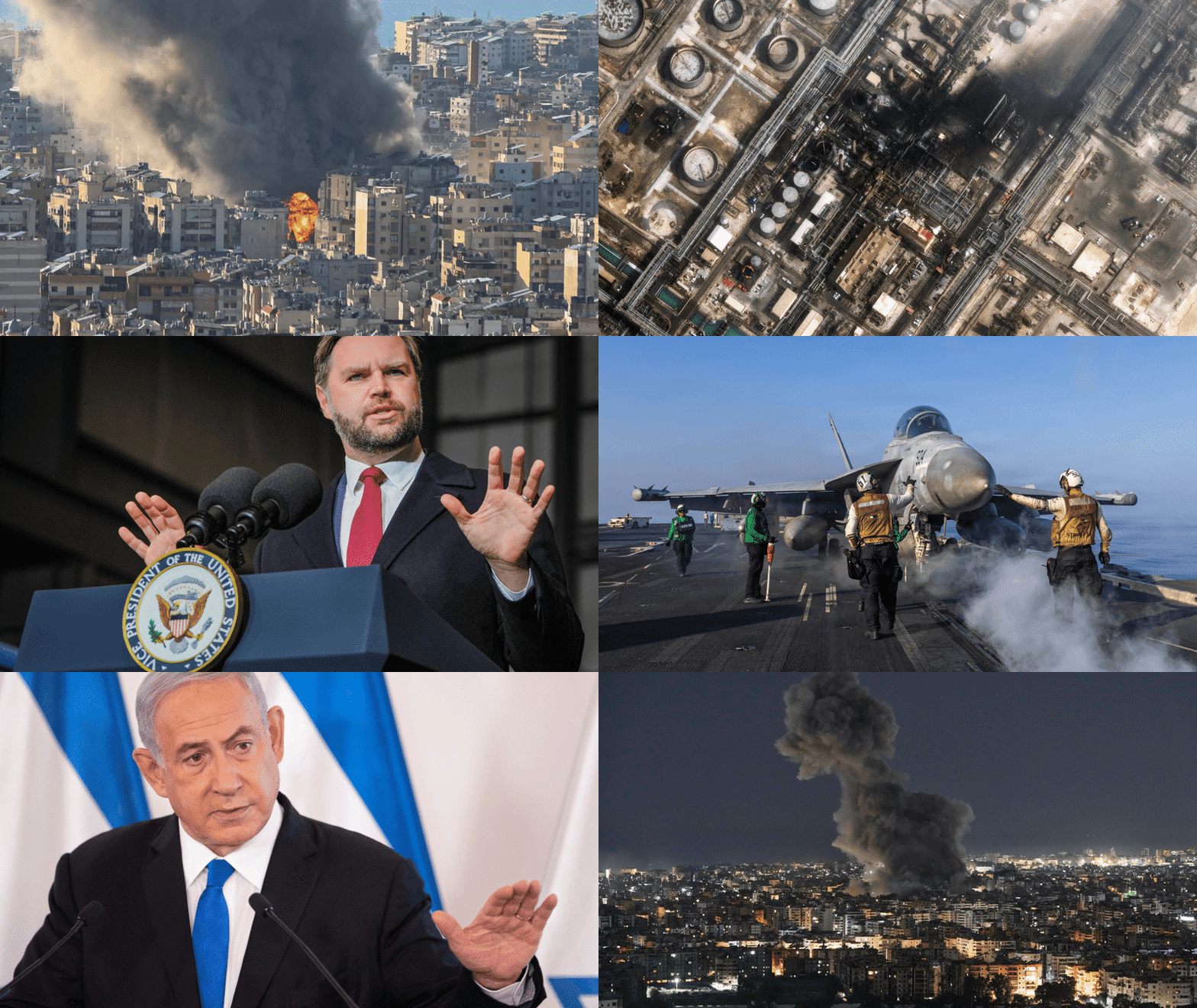
The US and Israeli air war against Iran has expanded, with Israel launching attacks on Lebanon and Iran responding with strikes on energy infrastructure in Gulf countries. This has led to a significant increase in global oil and gas shipping rates, as insurers withdraw coverage for vessels navigating the region.
In the United Arab Emirates, authorities are managing a serious fire at Fujairah port, while Iraq’s Kirkuk crude oil loadings at Turkey’s Ceyhan port have been halted. The geopolitical tensions have left 115,000 Australians stranded in the Middle East, with commercial aviation in disarray. Travelers Chloe and Cinty, stuck in Abu Dhabi, described the chaos and uncertainty as flights continue to be canceled.
Qatar has also been targeted, with attacks on military facilities and attempted strikes on Hamad International Airport. The Qatari foreign ministry has vowed that these attacks “will not go unanswered.”
Historical Context and Future Implications
The decision to launch a massive military strike on Iran has sparked debate in the US. President Trump has cited an imminent threat from Iran’s nuclear program as justification for the attacks. Secretary of State Marco Rubio highlighted intelligence indicating an opportunity to target Iranian supreme leader Ayatollah Ali Khamenei, suggesting that US action was preemptive to an expected Iranian retaliation.
Hezbollah’s patience with the ongoing Israeli strikes on Lebanon has worn thin, with senior official Mohamoud Komati declaring an end to the ceasefire and a return to “open war.” The group criticizes the Lebanese government for failing to curb Israeli aggression.
“The Zionist enemy wanted an open war, which it has not stopped since the ceasefire agreement,” Komati stated. “So let it be an open war.”
The UN continues to press for an investigation into the attack on the Iranian school, with Secretary of State Rubio asserting that US forces would not deliberately target civilian sites. As tensions mount, the international community watches closely, anticipating further developments in this volatile region.
The unfolding situation poses significant challenges for global diplomacy and economic stability, with potential long-term consequences for international relations and energy markets.