

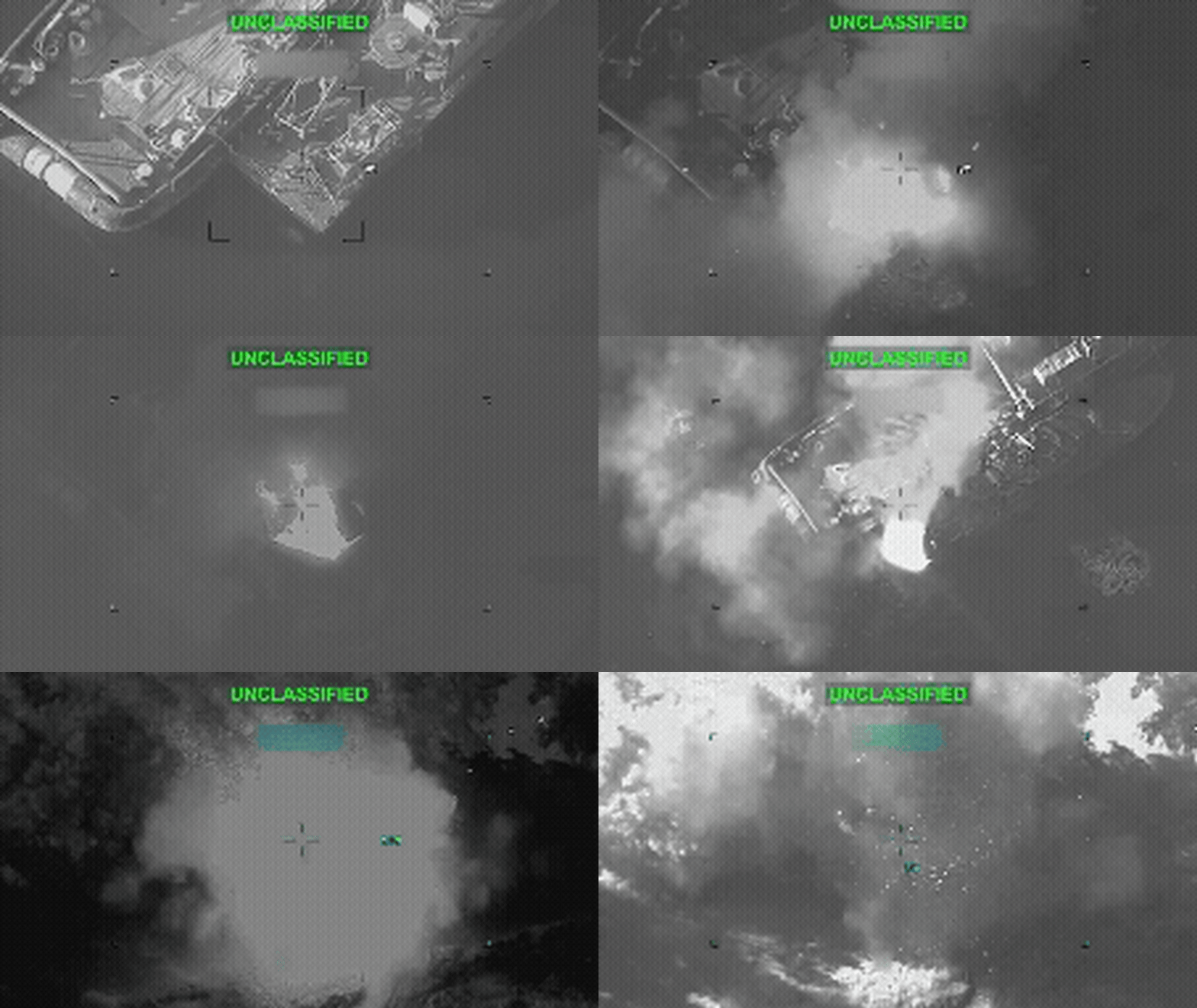
In a rapidly evolving situation, US President Donald Trump has urged Australia to join military efforts in the Middle East, as tensions with Iran continue to escalate. Despite expressing intentions to wind down military operations, Trump has requested an additional $200 billion from Congress to sustain the war efforts. This comes as the US deploys more warships and troops to the region.
The call for Australian involvement was met with surprise by Trump, who claimed that Australia had declined his request for support. This development follows Trump’s criticism of NATO allies, whom he labeled as “cowards” for not contributing troops to reopen the Strait of Hormuz, a vital channel for global oil trade.
Meanwhile, new military strikes have been reported in Tehran, with evacuation orders issued in Beirut. Missile and drone attacks have also been documented in Kuwait, Dubai, and the United Arab Emirates. Iran’s Revolutionary Guard has issued threats against tourist sites worldwide, warning that these locations would not be safe for their adversaries.
Australia’s Position and Regional Implications
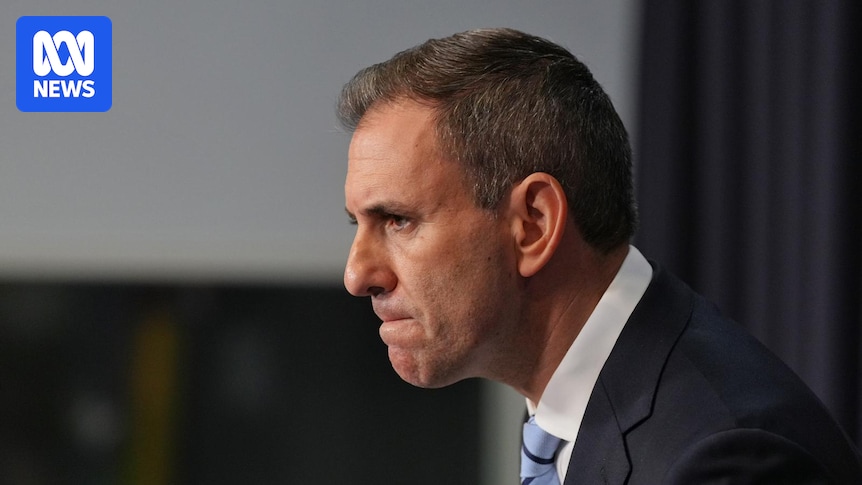
Australian Defence Minister Richard Marles has clarified that no formal request from the US was received regarding support for reopening the Strait of Hormuz. However, Marles emphasized Australia’s commitment to defending Gulf states by providing military assistance, including air-to-air missiles and surveillance aircraft to the UAE.
The strategic importance of the Strait of Hormuz cannot be overstated, as it is a crucial passage for oil exports. The potential closure of this waterway has led to warnings for people to work from home, reduce driving speeds, and avoid air travel to mitigate a severe oil shortage.
Water as a Strategic Vulnerability
As the conflict intensifies, the Gulf Cooperation Council (GCC) states face a significant threat to their desalination plants, which are critical for their water supply. Iran’s ability to target these facilities poses an existential risk, potentially more severe than threats to oil infrastructure. Saudi Arabia, the world’s largest producer of desalinated water, could face societal collapse within days if its main plant is compromised.
Estimates suggest Saudi Arabia could survive only seven to 14 days on supplies if its main desalination plant in Riyadh was destroyed.
Global Military Movements and Concerns
The conflict has also led to a reallocation of US military resources, with Patriot missile systems being moved from Europe to the Middle East. This shift has raised concerns about gaps in Europe’s air defenses, particularly against potential threats from Russia. Despite these concerns, the White House maintains confidence in its military stockpiles to achieve its objectives in the region.
In a related development, the Trump administration is considering a risky ground operation to seize Iran’s oil export hub on Kharg Island. Such a move could compel Iran to reopen the Strait of Hormuz but risks prolonging the conflict and increasing American troop exposure.
International Reactions and Humanitarian Efforts
In response to the escalating conflict, the Australian government has announced $5 million in aid to Lebanon, delivered through the World Food Program and UNICEF. Foreign Minister Penny Wong expressed grave concerns over the conflict’s expansion into Lebanon and condemned Hezbollah’s actions.
Iran, meanwhile, has indicated a willingness to temporarily allow Japanese ships to pass through the Strait of Hormuz, highlighting ongoing diplomatic negotiations with Japan. This comes amid pressure from the US for Japan to contribute to securing the Gulf’s shipping lanes.
On the Ground: The Human Impact
The situation in Lebanon remains dire, with Israeli military strikes on Beirut leading to significant casualties and displacement. The Israeli Defense Forces have targeted Hezbollah positions, resulting in over 1,000 deaths and the displacement of more than a million people. The conflict’s toll on civilians continues to grow as military operations persist.
In the town of Nabi Chit, residents like Khalil Moussawi have experienced the devastating impact of Israeli raids firsthand. The town, a Hezbollah stronghold, has been subjected to intense firefights and airstrikes, leaving many dead and wounded.
“The soldiers threw smoke bombs and blinded our view so that you couldn’t see your own finger,” Moussawi recounted. “The drones were hovering over the people and shooting at them. It was carnage.”
As the conflict unfolds, the international community watches closely, with many nations weighing their involvement and the potential consequences of further escalation.