

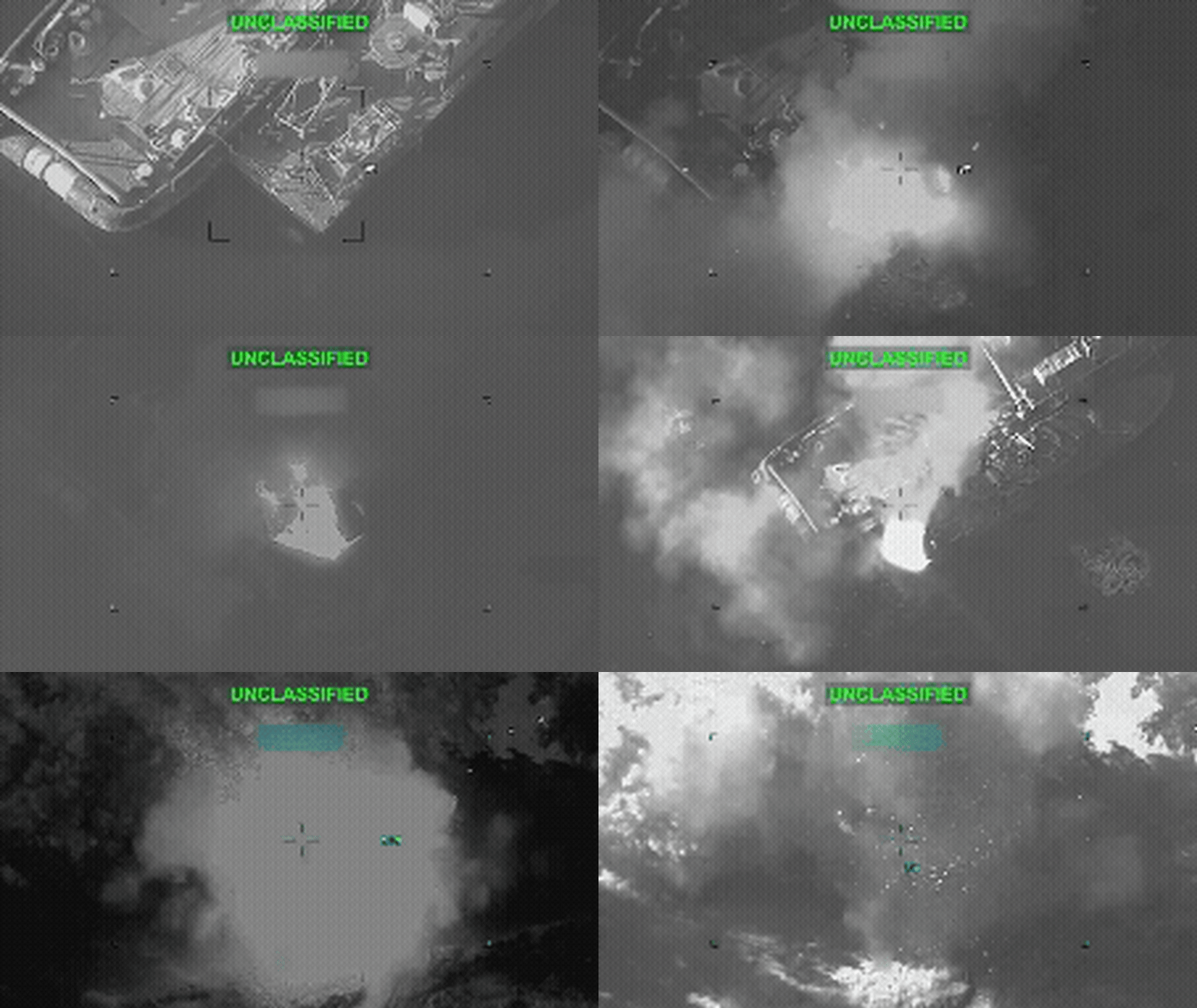
US President Donald Trump has intensified calls for international support in the ongoing conflict with Iran, urging Australia to join military efforts in the Middle East. This comes as Iran threatens to target tourist sites worldwide, escalating tensions further. Fresh military strikes have been reported in Tehran and across Gulf states, marking a significant escalation in hostilities.
Despite Trump’s remarks about winding down military efforts, the US is bolstering its presence in the region by deploying three additional warships and 2,500 troops. The President is also seeking an additional $200 billion from Congress to fund the war. Trump’s call for Australian involvement was met with claims that Canberra had declined his request for assistance. Meanwhile, he criticized NATO allies as “cowards” for their reluctance to send troops to reopen the Strait of Hormuz, a critical artery for global oil trade.
Global Economic Implications
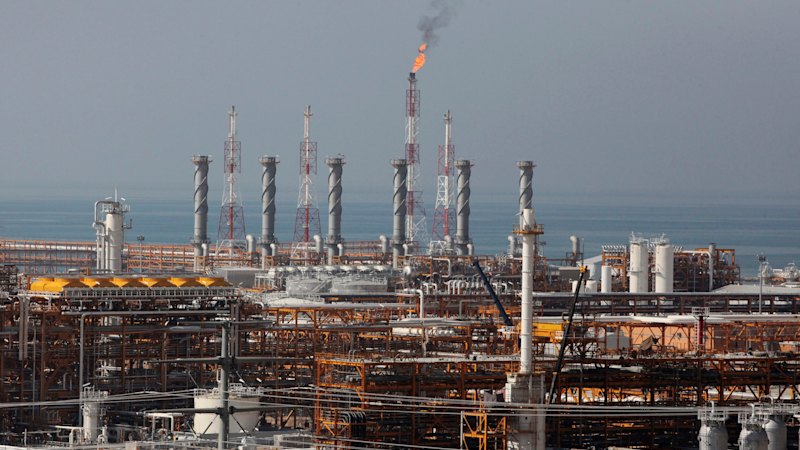
The closure of the Strait of Hormuz has prompted warnings of severe oil shortages, with authorities urging people to work from home, drive at lower speeds, and avoid air travel. The economic ramifications are profound, with the International Rescue Committee’s president, David Miliband, warning that millions face acute food insecurity as a result of disrupted food, fuel, and fertilizer markets.
“It is the world’s most vulnerable who risk paying the highest price,” Miliband stated, highlighting the potential threat to over 300 million people.
In response to soaring oil prices, the Trump administration has temporarily lifted sanctions on Iranian oil stranded at sea and eased restrictions on certain Russian oil shipments. This move aims to stabilize global oil supplies during the ongoing conflict.
Military Developments and Casualties
Reports of new military strikes in Tehran, along with missile and drone attacks in Kuwait, Dubai, and the United Arab Emirates, underscore the escalating conflict. The Israeli military has issued fresh evacuation orders for southern Beirut suburbs, targeting Hezbollah infrastructure. More than a million people in Lebanon have already been displaced, according to the United Nations.
The death toll continues to rise, with over 1,300 casualties in Iran, more than 1,000 in Lebanon, and 15 in Israel. The US has lost 13 military personnel in the region. The conflict’s human cost is growing, with millions displaced across the Middle East.
Iran’s Response and International Reactions
Iran’s Revolutionary Guard has issued stark warnings, with Brigadier General Ali Mohammad Naini threatening that “parks, recreational areas and tourist destinations” would not be safe for enemies. Naini was later reported killed in an Israeli strike, marking the latest in a series of high-profile assassinations of Iranian officials.
The Israeli military described Naini as the IRGC’s “main propagandist,” playing a significant role in suppressing recent protests in Iran.
Amidst these developments, a large explosion in Jerusalem’s Old City, caused by falling missile debris, has added to regional tensions. The blast occurred near significant religious sites, including the Al-Aqsa Mosque and the Western Wall, during the start of Eid, a typically busy period for these locations.
Legal and Media Challenges
In a related development, a US federal judge has blocked the Trump administration’s policy limiting reporters’ access to the Pentagon. The New York Times successfully argued that the new rules violated journalists’ constitutional rights. This ruling underscores ongoing tensions between the administration and the media, particularly regarding military reporting.
As the conflict unfolds, the international community watches closely, with potential implications for global security and economic stability. The situation remains fluid, with further developments anticipated in the coming days.