
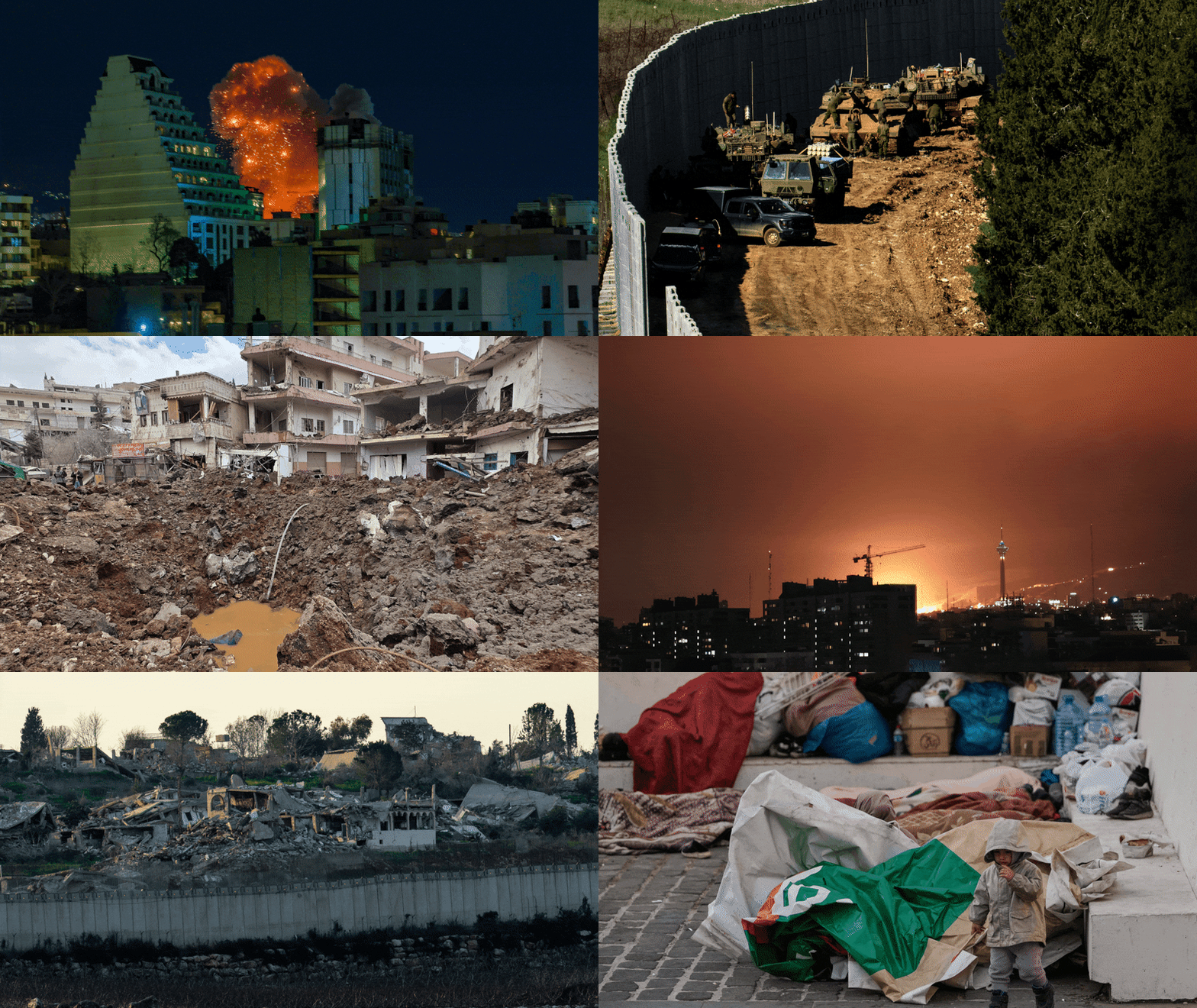
The escalating conflict between the United States and Iran has reached new heights as US President Donald Trump announced a significant military strike on Iran’s Kharg Island. This development comes amid a series of military maneuvers, including the deployment of 2,500 Marines to the Middle East and fresh airstrikes hitting Beirut.
According to reports from The Wall Street Journal, five US Air Force refueling planes were damaged in an Iranian missile strike on Saudi Arabia’s Prince Sultan Air Base. The planes, although damaged, were not completely destroyed, and no casualties were reported. This incident underscores the increasing volatility in the region as tensions between the US and Iran continue to escalate.
US Bombs Iran’s Kharg Island
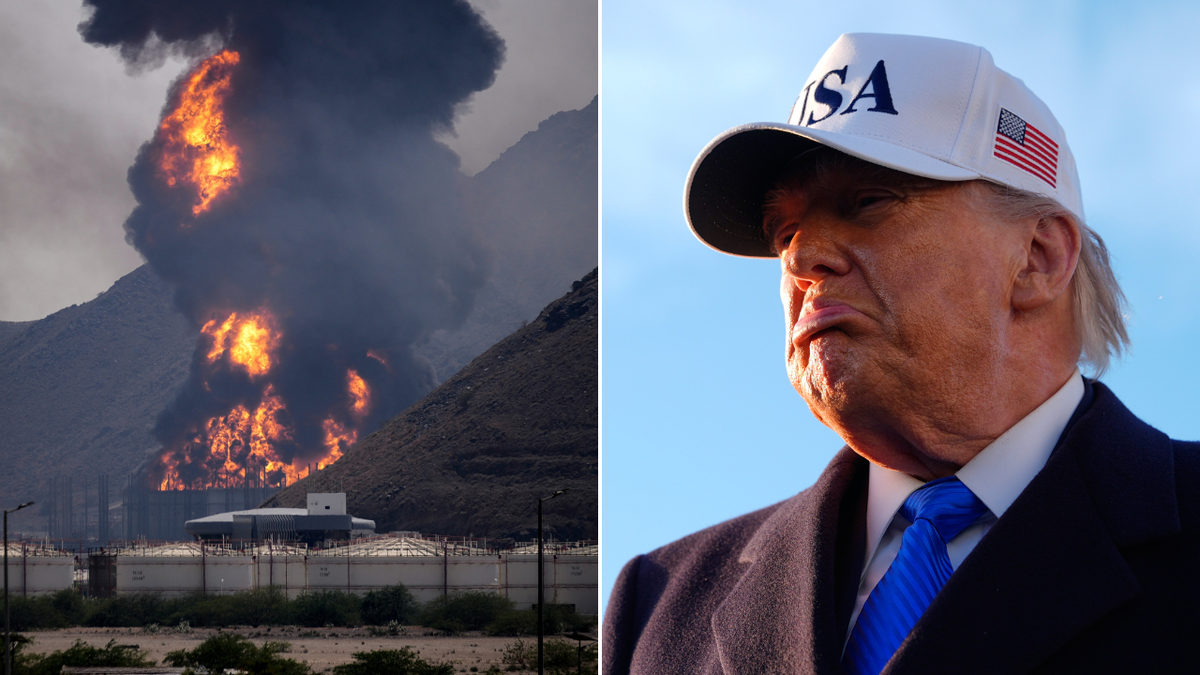
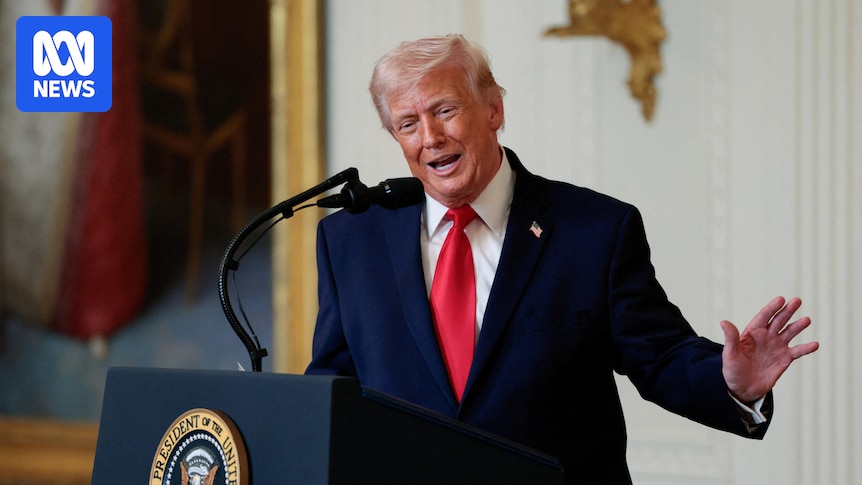
President Trump took to Truth Social to confirm that US forces had bombed Kharg Island, a critical Iranian base in the Persian Gulf. Known as Iran’s “crown jewel,” Kharg Island is pivotal to the country’s oil exports, handling around 90% of its crude oil. However, Trump emphasized that the oil infrastructure was spared to maintain the flow of oil through the Strait of Hormuz, a crucial global shipping route.
“For reasons of decency, I have chosen NOT to wipe out the Oil infrastructure on the island,” Trump stated, adding that any interference with the Strait of Hormuz would prompt a reconsideration of this decision. The precise military targets on Kharg Island remain unclear, but the strike marks a significant escalation in the two-week-old conflict.
US Military Reinforcements in the Middle East
In response to the ongoing conflict, the US has ordered the deployment of 2,500 Marines and the amphibious assault ship USS Tripoli to the Middle East. This move, reported by the Associated Press, is part of a broader strategy to bolster US military presence in the region. The 31st Marine Expeditionary Unit, known for its diverse operational capabilities, is expected to enhance security and provide humanitarian assistance if needed.
The USS Tripoli, currently stationed in the Pacific Ocean, is making its way to join the US naval forces already operating in the Arabian Sea. This deployment is one of the largest in recent years, reflecting the gravity of the situation as tensions with Iran continue to rise.
Impact on Global Shipping and Regional Stability
The conflict has also had a significant impact on global shipping lanes, particularly in the Gulf region. An attack on the US-owned tanker Safesea Vishnu in an Iraqi seaport highlights the growing threat to commercial vessels. The attack, involving explosive-laden unmanned boats, resulted in one fatality and significant damage to the vessel.
According to the World Shipping Council, approximately 20,000 seafarers are currently operating in a “dangerous and highly uncertain security situation.” The US has expressed readiness to escort tankers through the Strait of Hormuz, but the Navy has so far refrained from providing escorts due to the high risk of attacks.
Regional and International Reactions
The situation has drawn international attention, with various countries expressing concern over the potential for a broader conflict. The humanitarian crisis in Lebanon has worsened, with the Lebanese health ministry reporting 773 deaths and 1,933 injuries since the conflict began. The airstrikes have disproportionately affected civilians, including children, highlighting the dire situation on the ground.
In the US, the attack on a Michigan synagogue by a man reportedly motivated by personal loss in an Israeli airstrike in Lebanon has further fueled tensions. Michigan Governor Gretchen Whitmer condemned the act as “antisemitism at its absolute worst,” calling for a reduction in inflammatory rhetoric amid rising antisemitism.
Looking Ahead: Potential Outcomes and Implications
The ongoing conflict between the US and Iran poses significant risks to regional stability and global economic interests. The strategic importance of the Strait of Hormuz, through which a fifth of the world’s oil passes, underscores the potential global impact of any disruption in the region.
As diplomatic efforts continue to falter, the potential for further escalation remains high. The international community faces the challenge of addressing the humanitarian crisis while navigating the complex geopolitical landscape of the Middle East. The coming weeks will be critical in determining the trajectory of this conflict and its broader implications for global security.