As the geopolitical tensions between the United States and Iran continue to escalate, the conflict’s ripple effects have reached as far as Australia. In a dramatic turn of events, members of the Iranian women’s soccer team have refused to board their flight back to Iran, opting instead to remain in Australia. This development comes amid heightened military actions and diplomatic tensions in the Middle East.
At least two members of the Iranian delegation have chosen to stay in Australia, a decision that has been met with both celebration and concern among the Iranian-Australian community. Dozens of protesters gathered at Sydney Airport to support the players, holding signs and chanting messages of encouragement.
US Military Actions Intensify
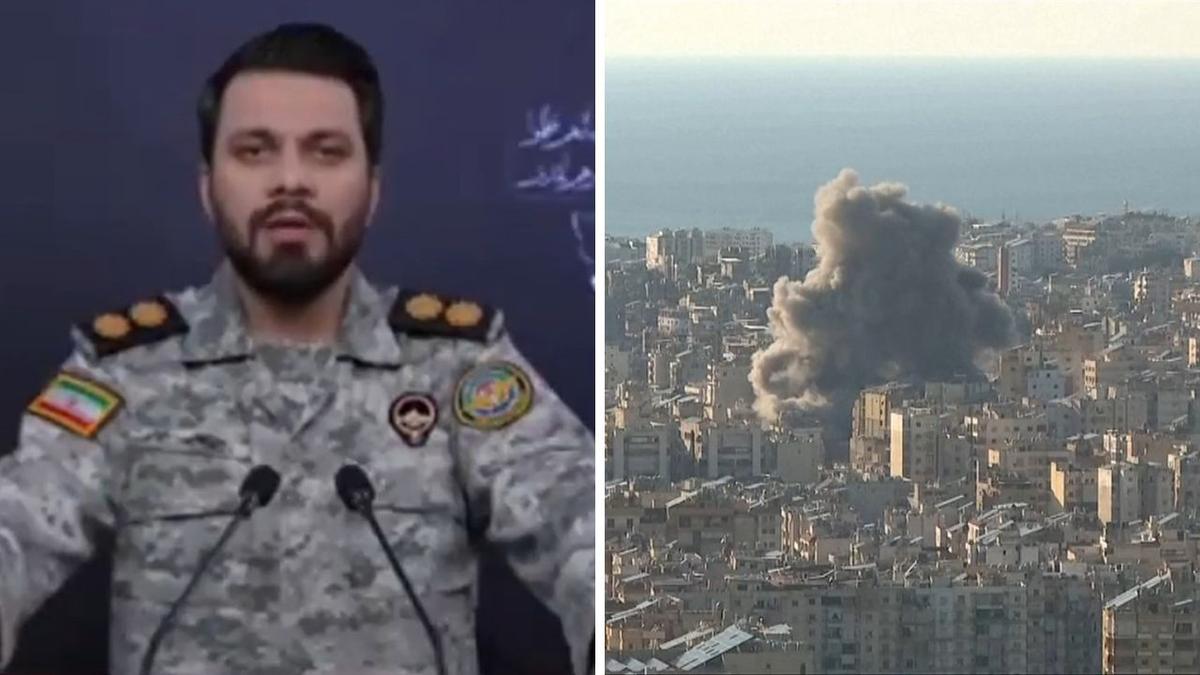
Meanwhile, the US military has intensified its operations against Iran. US Secretary of War Pete Hegseth announced that the current day would mark the most intense strikes on Iran to date. The US has been targeting Iranian mine-laying vessels, a move that has effectively shut down the Strait of Hormuz, a critical chokepoint for global oil and liquefied natural gas transport.
General Dan Caine, chairman of the Joint Chiefs of Staff, confirmed that the US had sunk or destroyed more than 50 naval ships in the first ten days of the campaign. President Donald Trump has threatened further escalation if Iran continues to obstruct oil shipments from the Middle East.
Humanitarian Concerns and Diplomatic Reactions
In a related humanitarian gesture, five members of the Iranian women’s soccer team were granted visas to stay in Australia. This move is part of a covert operation to allow the athletes to escape their handlers and seek refuge. The Australian government has also announced its support for the United Arab Emirates by providing surveillance aircraft, missiles, and troops, a decision Foreign Minister Penny Wong insists was made independently of US influence.
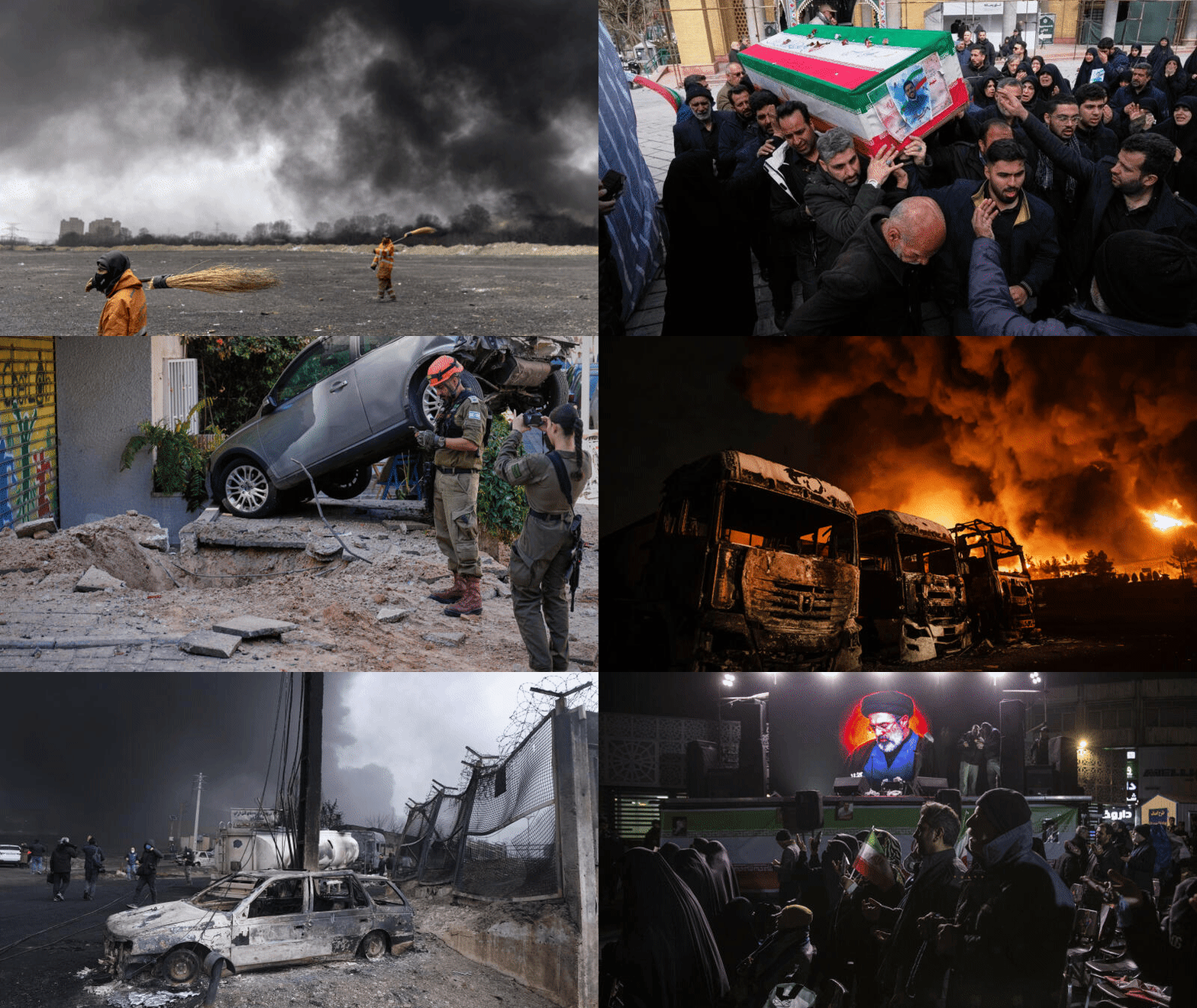
The situation has been further complicated by a newly released video suggesting that a US missile was responsible for a deadly strike on an Iranian elementary school. This incident, which resulted in the deaths of 175 people, many of them children, has sparked international outrage and forced President Trump to reconsider his earlier statements blaming Iran for the attack.
Voices of Protest and Support
Back in Australia, the Iranian women’s soccer team’s departure was marked by emotional scenes at the airport. Protesters, many from the Iranian-Australian diaspora, held signs and shouted messages of support. One sign, written in Farsi, implored a player named Golnoosh Khosravi to stay in Australia, citing her mother’s wishes.
Activists have criticized the Australian government’s handling of the situation, particularly the role of federal police in escorting the players. Minoo Taghizadeh, co-founder of the Iranian Australian Patriots Association, expressed her disappointment, stating that the players were given no real choice in their fate.
“The Albanese government said that they had a choice, but no, they don’t have any choice,” Taghizadeh said outside Sydney Airport.
Looking Ahead: Implications and Future Developments
The refusal of the Iranian soccer players to return home highlights the broader humanitarian issues at play amid the US-Iran conflict. As military actions continue and diplomatic tensions rise, the international community remains on high alert. The situation underscores the complex interplay of military strategy, humanitarian concerns, and international diplomacy.
As the conflict unfolds, the world watches closely to see how these developments will influence global politics and human rights. The Iranian women’s soccer team’s plight serves as a poignant reminder of the personal stories that lie behind geopolitical conflicts, and the courage of individuals seeking safety and freedom.