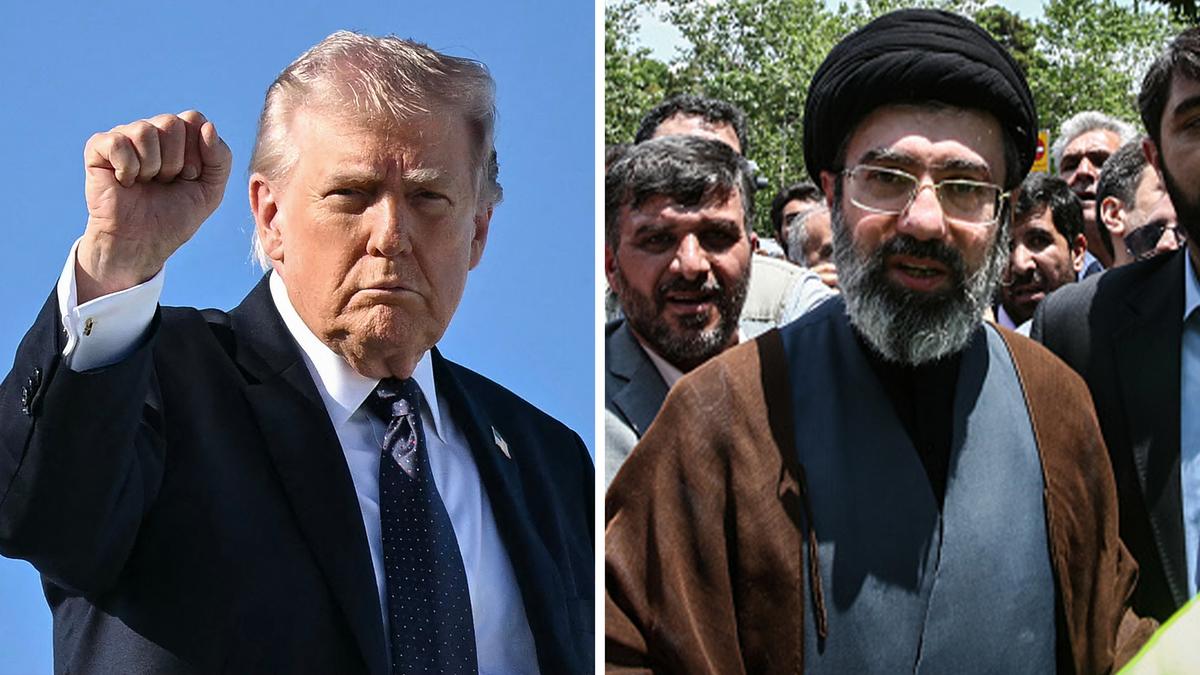
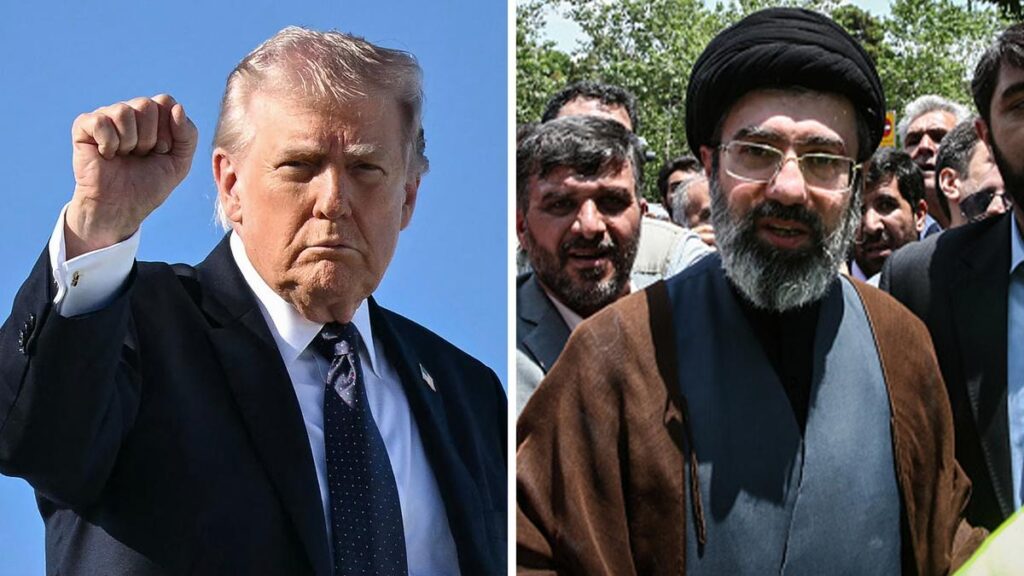
US President Dobald Trump and Ayatollah Mojtaba Khamenei.
In a rapidly escalating conflict between the United States and Iran, tensions have reached new heights, impacting global energy markets and prompting significant political and economic responses worldwide. US President Donald Trump has commented on the state of Iran’s new Supreme Leader, Ayatollah Mojtaba Khamenei, describing him as “damaged but alive” following the assassination of his father. Meanwhile, Australia’s Energy Minister Chris Bowen has taken decisive action to address a growing fuel crisis, releasing substantial reserves to counteract panic buying.
The announcement comes as the international community grapples with the fallout from a series of military engagements in the Middle East. The conflict has seen the closure of the Strait of Hormuz, a critical artery for global oil transport, and has led to a surge in Brent crude oil prices, now surpassing $100 per barrel.
Military Escalations and Regional Impact
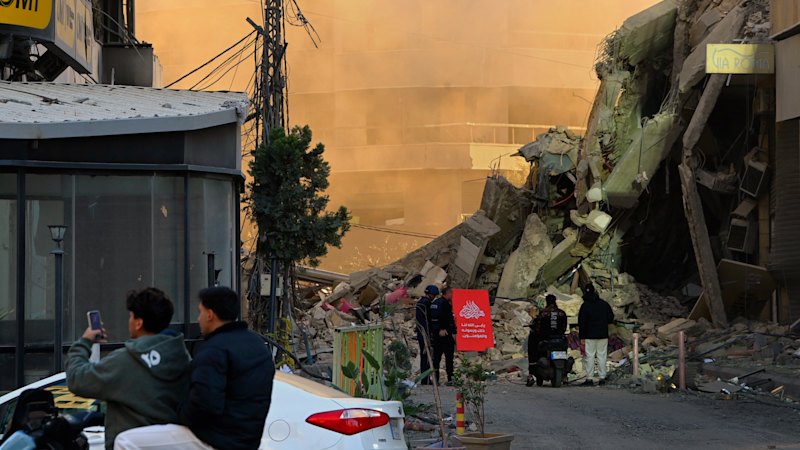
In his first public address since assuming leadership, Ayatollah Mojtaba Khamenei vowed to continue Iran’s defiant stance by blocking the Strait of Hormuz and demanding the closure of all US military bases in the region. This development follows a series of aggressive military actions, including extensive aerial bombardments by US and Israeli forces on Tehran. In retaliation, Iran has launched missile barrages towards Israel, causing injuries and forcing civilians into bomb shelters.
Pro-Iranian forces have also targeted multiple Gulf nations. Saudi Arabia reported intercepting 12 drones, while Oman experienced a drone strike at the Port of Duqm. The conflict has not spared the United Arab Emirates, with explosions rattling Dubai and targeting critical infrastructure, including its airport and luxury real estate.
Australia’s Response to the Fuel Crisis
Amidst these geopolitical tensions, Australia is facing its own crisis at the petrol pump. Energy Minister Chris Bowen announced the release of 400 million litres of diesel and 300 million litres of petrol from the country’s onshore stockpile to mitigate shortages caused by widespread panic buying. Bowen has criticized individuals hoarding fuel and selling it at inflated prices, calling such actions “unAustralian” and dangerous.
Bowen’s measures are part of a broader strategy to stabilize the domestic fuel supply. The government has relaxed fuel quality requirements temporarily, allowing higher sulfur petrol to be sold domestically. This move is intended to ensure that fuel remains available, despite the ongoing global disruptions.
International Reactions and Consequences
The conflict has claimed lives beyond the immediate region. French President Emmanuel Macron confirmed the first French military casualty in the war, a soldier killed in a drone attack in Iraq. The US military has also suffered losses, with seven American troops killed, including six in a drone strike in Kuwait.
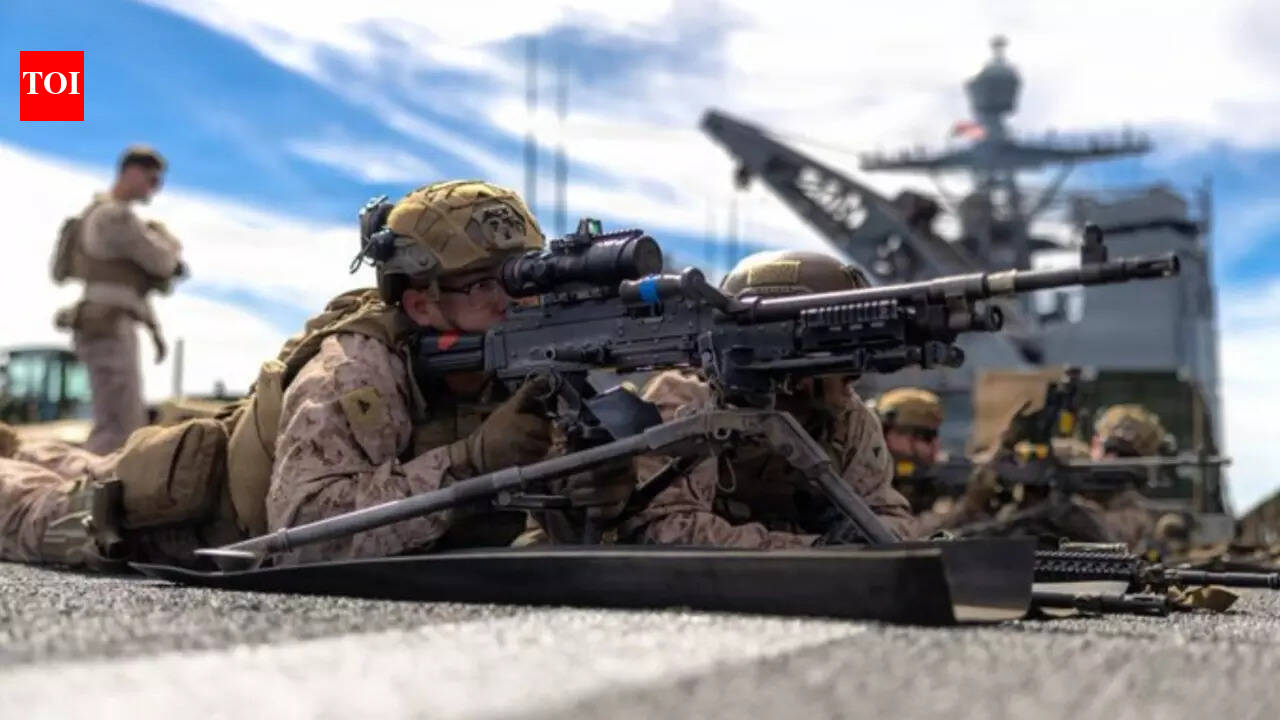
US Central Command has reported extensive military operations in Iran, targeting approximately 6,000 sites, including naval vessels and missile production facilities. This campaign aims to cripple Iran’s military capabilities and prevent further escalation.
Economic and Humanitarian Implications
The closure of the Strait of Hormuz has sent shockwaves through global energy markets, with oil prices spiking and creating economic ripple effects worldwide. In Iran, the conflict has resulted in a humanitarian crisis, with the United Nations reporting 3.2 million internally displaced people since the fighting began.
As the situation unfolds, US Senator Lindsey Graham has downplayed the likelihood of deploying ground troops, emphasizing the need to prevent Iran from regenerating its military capabilities. The senator’s comments reflect a broader strategic focus on crippling Iran’s ability to threaten regional stability.
Looking Ahead
The ongoing conflict and its repercussions highlight the intricate web of geopolitical, economic, and humanitarian challenges facing the international community. As nations navigate these turbulent waters, the need for diplomatic solutions and strategic foresight becomes increasingly apparent. The world watches closely, hoping for a resolution that can restore stability and prevent further escalation.
In the meantime, countries like Australia continue to adapt to the immediate impacts, implementing measures to safeguard their economies and ensure the well-being of their citizens amidst global uncertainty.