


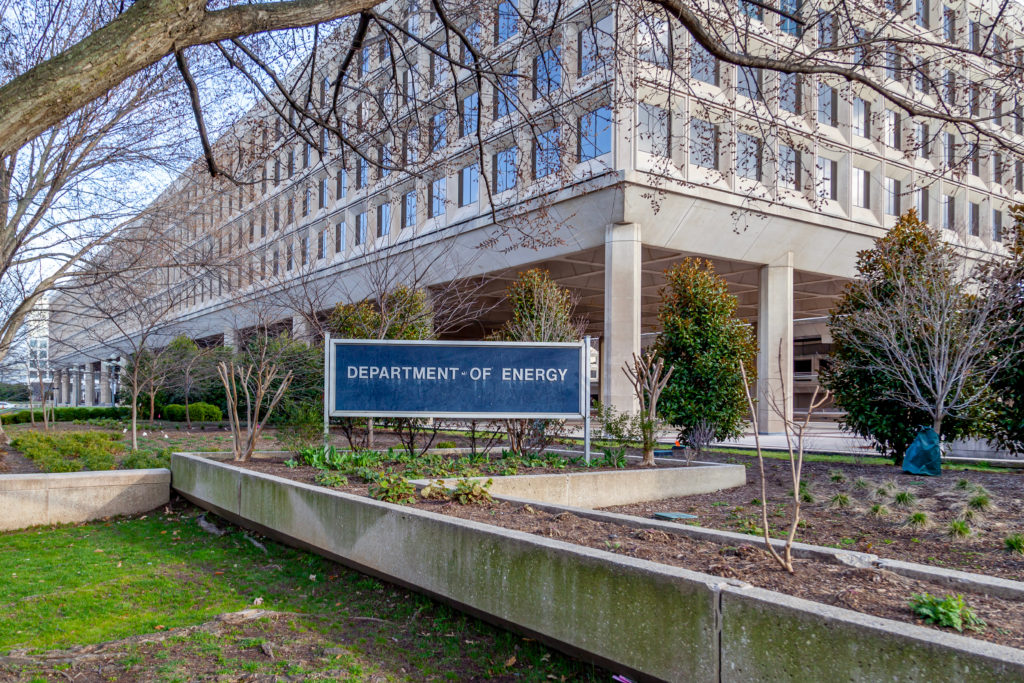
The United States Department of Energy (DOE) has announced a significant initiative to bolster the country’s critical minerals supply chain. On Friday, the DOE unveiled plans to allocate up to $500 million in funding aimed at expanding domestic processing, manufacturing, and recycling of critical minerals and battery materials. This move is part of a broader strategy to reduce America’s reliance on foreign supply chains, particularly those in countries viewed as geopolitical adversaries.
The funding opportunity, issued by the DOE’s Office of Critical Minerals and Energy Innovation (CMEI), seeks to support the development of demonstration and commercial-scale facilities. These facilities will focus on processing or recycling critical materials essential for batteries and energy technologies, including minerals such as lithium, graphite, nickel, copper, and aluminum.
“For too long, the United States has relied on hostile foreign actors to supply and process the critical materials that are essential in battery manufacturing and materials processing,” Energy Secretary Chris Wright stated, underscoring the urgency of the initiative.
Strengthening Domestic Supply Chains
According to the DOE, this initiative is critical for the United States to meet the growing demand for energy and artificial intelligence-related electricity, while also supporting broader energy security goals. The focus on domestic supply chains is intended to provide a more stable and secure source of critical minerals necessary for technological advancements.
The announcement comes as Assistant Secretary of Energy for Energy Efficiency and Renewable Energy (EERE) Audrey Robertson participates in the Indo-Pacific Energy Security Ministerial and Business Forum in Japan. Here, US officials are engaging with regional allies to discuss strategies for enhancing supply chain resilience.
Collaboration with International Partners
Robertson emphasized the importance of international collaboration, even as the US seeks to expand its domestic production capabilities. “Critical minerals processing is a vital component of our nation’s critical minerals supply base,” she noted. “Boosting domestic production, including through recycling, will bolster national security and ensure the United States and our partners are prepared to meet the energy challenges of the 21st Century.”
This funding call marks the third round of financial support under DOE programs focused on battery materials processing, manufacturing, and recycling. Projects will be selected across three main areas: critical minerals processing from raw feedstocks, critical materials recycling, and battery materials and component manufacturing.
Addressing Global Dependencies
The move represents a strategic effort by Washington to rebuild domestic critical mineral supply chains, which are currently dominated by overseas processing hubs, particularly in China. By supporting new processing and recycling capacities, the DOE aims to strengthen the upstream and midstream segments of the battery supply chain. This will secure the raw materials needed for electric vehicles, grid storage, and other energy technologies.
Historically, the US has been heavily reliant on foreign sources for critical minerals, a dependency that poses risks to national security and economic stability. The current geopolitical climate has further highlighted the need for a robust domestic supply chain.
Expert Opinions and Future Implications
Experts in the field of energy and resource management have welcomed the DOE’s initiative. Dr. Lisa Thompson, a leading researcher in sustainable energy resources, commented, “The US’s investment in domestic critical minerals processing is a crucial step towards energy independence and sustainability. It not only reduces geopolitical risks but also positions the country as a leader in the global energy transition.”
The initiative is expected to have far-reaching implications for the US economy and its position in the global energy market. By enhancing domestic capabilities, the US can potentially reduce costs, create jobs, and drive innovation in energy technologies.
Looking Ahead
As the DOE moves forward with this initiative, the focus will likely be on ensuring that the funded projects are both economically viable and environmentally sustainable. The success of this initiative could serve as a model for other countries seeking to secure their own critical mineral supply chains.
The next steps involve the selection of projects and the allocation of funds, with an emphasis on fostering partnerships between government, industry, and academia. The outcome of these efforts will be closely watched by stakeholders across the energy sector and beyond.
In conclusion, the US’s $500 million investment in its critical minerals supply chain marks a pivotal moment in its energy strategy, with the potential to significantly alter the landscape of global energy resources.