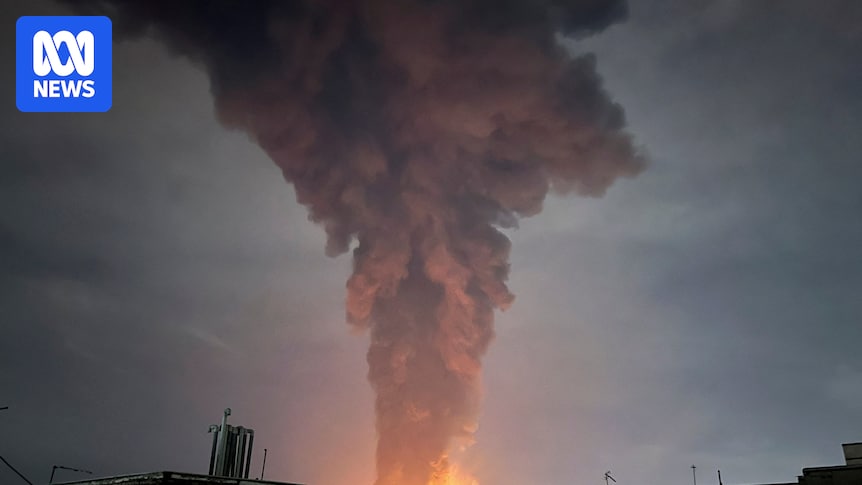

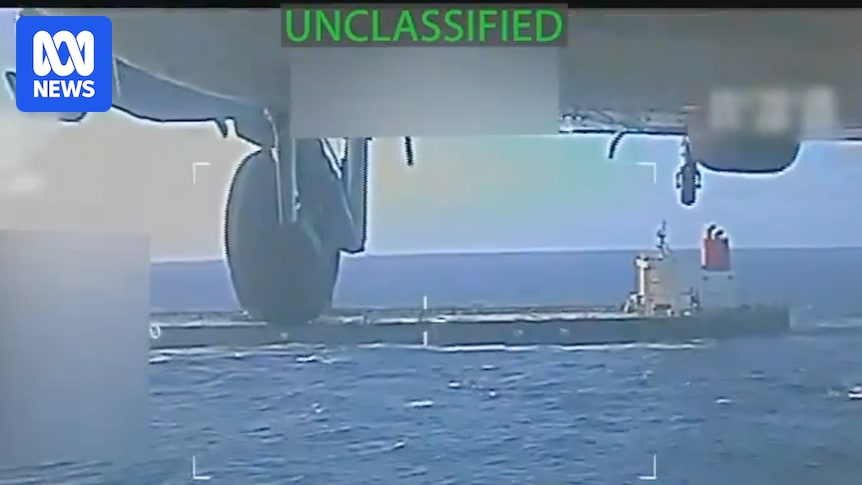
The United States is escalating its efforts to intercept ships carrying Venezuelan oil, following the recent seizure of a tanker, according to six sources familiar with the situation. This marks the first interdiction of a Venezuelan oil cargo tanker since the country came under US sanctions in 2019.
The seizure is part of a broader strategy to pressure Venezuelan President Nicolas Maduro. The US has increased its military presence in the southern Caribbean and imposed new sanctions, putting shipowners and operators on high alert. Many are now reconsidering their routes from Venezuelan waters, according to shipping sources.
US Sanctions and Military Presence
The US Treasury Department has sanctioned six shipping companies and six crude oil tankers for “deceptive and unsafe shipping practices,” accusing them of supporting Maduro’s regime. Four of these tankers are registered in Panama, while the others are flagged by the Cook Islands and Hong Kong. These supertankers recently loaded crude oil in Venezuela, as confirmed by PDVSA’s internal documents.
Franqui Flores and Efrain Antonio Campo Flores, relatives of Maduro’s wife, Cilia Flores, were also sanctioned. They were previously convicted in the US on drug charges and later released in a prison swap. The Venezuelan government has denied any criminal links, while the US continues to assert its stance against what it terms a “corrupt narco-terrorist regime.”
Expert Opinions and Strategic Implications
David Goldwyn, a former energy diplomat at the US State Department, described the sanctions as a “powerful intimidation tactic.” He noted,
“Certainly, any sanctioned vessel owner will think twice about lifting Venezuelan crude for fear of losing the vessel entirely.”
The US has compiled a list of additional tankers for potential seizure, indicating further actions are likely in the coming weeks.
White House spokesperson Karoline Leavitt stated, “We’re not going to stand by and watch sanctioned vessels sail the seas with black-market oil,” emphasizing the US’s commitment to enforcing sanctions policies.
Impact on Venezuelan Oil Exports
The US’s actions could significantly impact Venezuelan oil exports, a crucial revenue source for the Maduro government. A reduction or halt in exports would strain the country’s finances, potentially destabilizing the regime further.
The US has carried out over 20 strikes against boats in the Caribbean and Pacific, raising legal and human rights concerns. While some experts argue these may constitute extrajudicial attacks, the US maintains they are necessary to protect against drug cartels.
International Responses and Legal Perspectives
The Venezuelan government has labeled the US seizure as “theft,” while legal experts debate the legality of such actions. Laurence Atkin-Teillet, a specialist in piracy law, stated,
“The term piracy in this context appears to be rhetorical or figurative, rather than a legal usage.”
This suggests the US’s actions, while aggressive, may not violate international law.
Meanwhile, the US continues to monitor tankers at sea and in Venezuelan ports, ready to act as vessels enter international waters. The recent seizure of the tanker Skipper has already led to the suspension of several shipments, highlighting the immediate impact of US actions on global oil trade.
Future Developments and Global Implications
The US’s intensified actions against Venezuelan oil shipments reflect a broader geopolitical strategy involving other sanctioned countries like Iran and Russia. The shadow fleet of tankers transporting oil to China, Venezuela’s largest buyer, remains a focal point of US surveillance.
The timing of future seizures will depend on logistical arrangements for unloading seized oil cargoes at US ports. The international community watches closely as these developments unfold, with potential repercussions for global oil markets and international diplomatic relations.
As tensions continue to rise, the world awaits the next moves from both the US and Venezuela, with significant implications for the future of international trade and political alliances.