
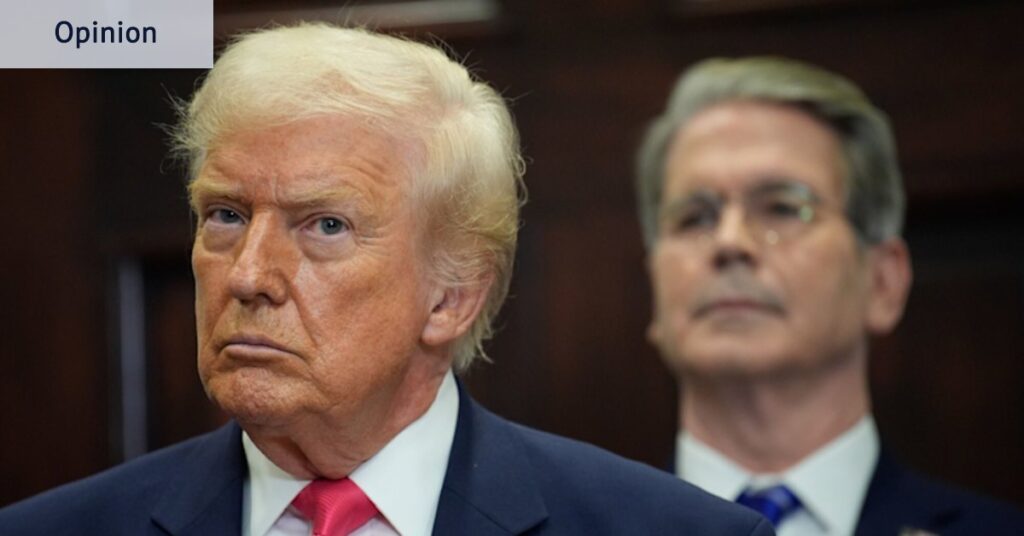
As the United States Supreme Court prepares to rule on the legality of former President Donald Trump’s “Liberation Day” tariffs, major American corporations, including Costco, Revlon, and Kawasaki, have filed lawsuits against the US administration. These companies are positioning themselves for potential refunds should the court decide against the tariffs.
Costco, one of the largest companies involved, has joined approximately 90 others in the US Court of International Trade. They are challenging the tariffs, which have been deemed illegal by several lower court rulings. The Supreme Court’s decision is anticipated by the end of the year or early next year.
The Stakes for US Corporations
The companies’ legal actions stem from uncertainty over the fate of the revenue collected if the tariffs are ruled illegal. Costco, in particular, has requested an extension from the Customs and Border Protection agency to finalize tariff determinations until the case is resolved. The deadline for filing these actions is December 15, when the agency will “liquidate” its tariff obligations.
While some companies have opted for direct petitions to the Supreme Court, others have sold their potential refund rights to hedge funds and distressed debt funds at a fraction of their value. Costco’s involvement is significant due to its size and reliance on imported goods, with billions of dollars at stake depending on the court’s decision.
Revenue from tariffs is approaching $200 billion this year, with the “Liberation Day” tariffs accounting for about half of that amount.
The Legal and Economic Implications
The court is examining only the “Liberation Day” tariffs, which Trump imposed on all trading partners of the United States. Unlike sector-specific tariffs on steel and aluminum, these tariffs were enacted under the International Emergency Economic Powers Act (IEEPA), traditionally used to sanction terrorists and rogue states.
Trump justified the tariffs by declaring a national emergency over the US trade deficit, a long-standing issue that previous administrations have not deemed alarming. He warned of catastrophic consequences, claiming potential losses of up to $3 trillion if the tariffs are overturned.
However, the $195 billion collected in tariff revenues this year falls short of Trump’s projected figures. His claims likely refer to potential impacts on trade agreements made with other countries, which are not directly related to the IEEPA legislation.
Impact on Consumers and the Economy
The legal battle highlights the burden of tariffs on US companies and consumers. Despite assertions from Trump and some cabinet members, it is the companies that bear the initial cost, passing some of it onto consumers. As tariffs continue, their impact on consumer prices and corporate margins becomes more pronounced.
Goldman Sachs estimated that about half of the tariffs’ impact has been absorbed by companies, with a third passed onto consumers.
Trump’s vision of tariffs as a financial panacea, including the idea of $2,000 dividends for US households, contrasts with economic realities. US GDP exceeds $30 trillion, and the government’s revenue base is over $5 trillion annually, rendering the tariff revenues relatively insignificant.
Diplomatic and Political Repercussions
US Treasury Secretary Scott Bessent acknowledged that a Supreme Court rejection of the tariffs would be a “dangerous diplomatic embarrassment” for the US. The administration, particularly Trump, would face significant embarrassment for initiating a global trade war under dubious legal grounds.
The decision by Costco and other companies to seek refunds underscores the broader impact of the tariffs on the US economy and the political landscape. As the Supreme Court deliberates, the outcome could reshape US trade policy and influence future administrations’ approaches to international economic relations.
The Business Briefing newsletter delivers major stories, exclusive coverage, and expert opinion. Sign up to get it every weekday morning.