
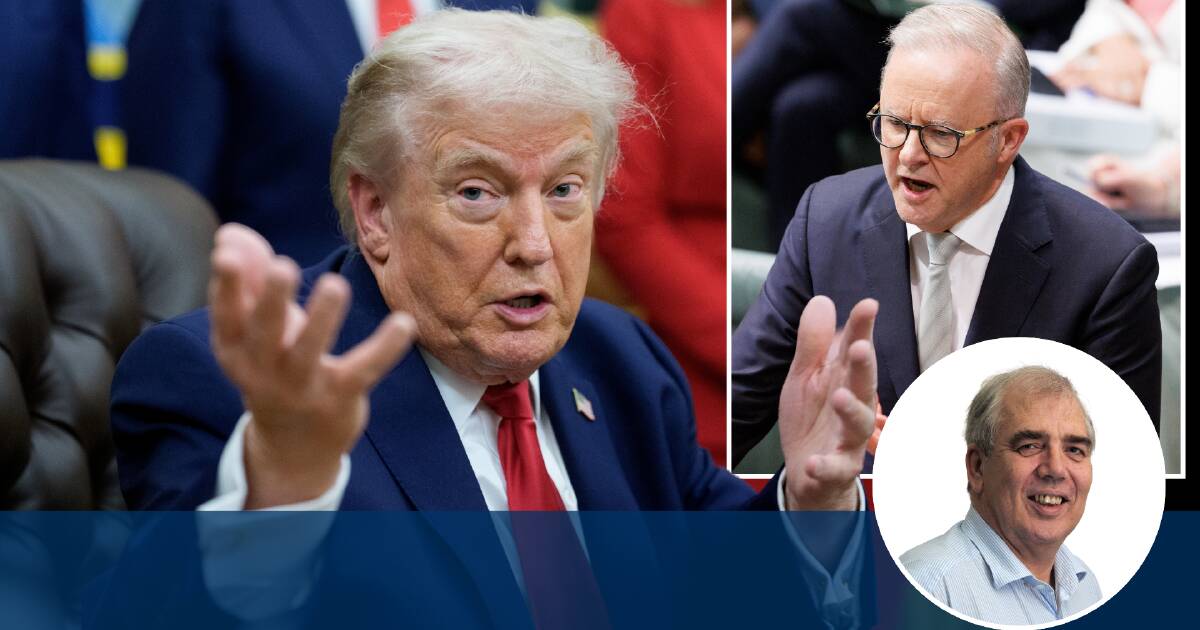
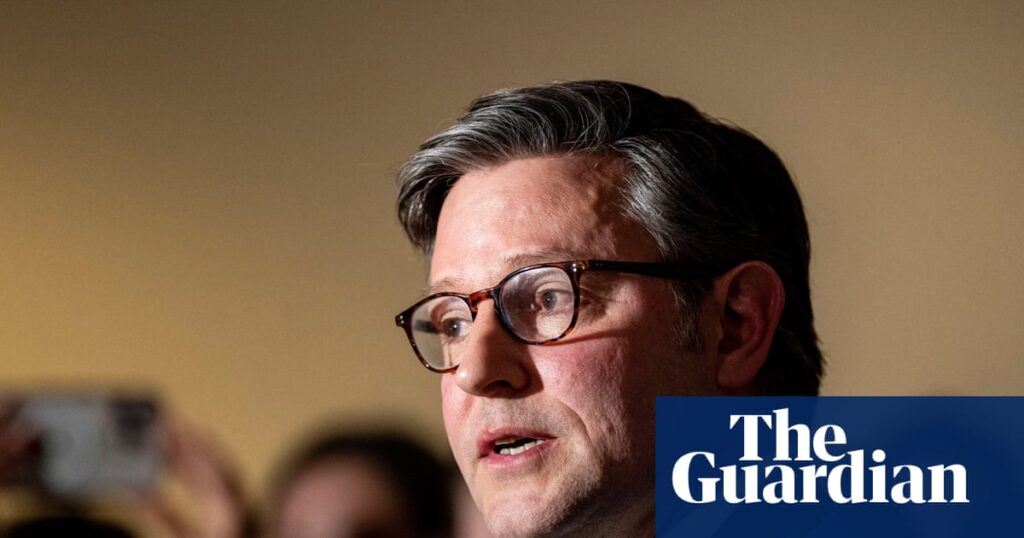
The United States is “not at war” in Venezuela, declared Republican Speaker of the House Mike Johnson on Monday. This statement comes in the wake of a weekend raid ordered by former President Donald Trump to capture Venezuelan President Nicolás Maduro, alongside an announcement that the US would now “run” the country.
The surprise incursion follows months of escalating US pressure on Venezuela, including a blockade of oil shipments and airstrikes on vessels off its shores, which have resulted in at least 110 fatalities. Trump has asserted that the newly sworn-in interim leader, Delcy Rodríguez, will comply with his demands for US oil companies to seize control of Venezuela’s substantial crude reserves. However, Democrats have criticized Trump for entangling the United States in a conflict he had previously campaigned to avoid, without seeking congressional approval.
US Strategy Under Scrutiny
After a briefing from top administration officials, including Secretary of State Marco Rubio, Defense Secretary Pete Hegseth, and Attorney General Pam Bondi, Johnson assured reporters that Trump is not seeking military control over Venezuela. “We are not at war. We do not have US armed forces in Venezuela, and we are not occupying that country,” Johnson stated, countering Democratic accusations that Trump bypassed Congress by not informing them prior to the attack.
“This is not a regime change. This is a demand for change of behavior by a regime. The interim government is stood up now, and we are hopeful that they will be able to correct their action,” Johnson added.
The Trump administration has accused Maduro of leading a “narco-terrorist” government involved in drug trafficking, including fentanyl, into the United States—a claim disputed by experts. They also allege Maduro permitted US adversaries like China and Russia, along with groups such as Hezbollah, to operate in Venezuela, thereby establishing a foothold in the Western Hemisphere.
Political Reactions and Implications
Johnson predicted that the White House’s strategy of restricting Venezuela’s oil production would compel its socialist government to change and eventually hold new elections. Analyses of the 2024 presidential election results in Venezuela suggest that Maduro illegitimately claimed victory over the main opposition candidate.
“We have a way of persuasion, because their oil exports, as you know, have been seized. And I think that will bring the country to a new governance in very short order,” he said. “So we don’t expect troops on the ground.”
Democratic Senate Minority Leader Chuck Schumer expressed skepticism, stating the briefing “posed far more questions than it ever answered,” and warned of the potential for the US to become embroiled in a new conflict.
“Their plan for the US running Venezuela is vague, based on wishful thinking and unsatisfying,” Schumer said. “I did not receive any assurances that we would not try to do the same thing in other countries… When the United States engages in this kind of regime change and so-called nation building, it always ends up hurting the United States. I left the briefing feeling that it would again.”
International and Legislative Responses
Maduro, detained alongside his wife Cilia Flores, faces federal charges related to guns, drugs, and narco-terrorism. He pleaded not guilty during an initial court appearance in New York City earlier on Monday. In an emergency UN Security Council meeting, numerous countries condemned the US incursion as a “crime of aggression.”
Democratic senators plan to propose a war powers resolution later this week, requiring congressional approval for any further military action in Venezuela. However, it remains uncertain if the resolution will pass the Republican-controlled chamber.
Monday’s briefing was exclusive to top Democrats and Republicans in the Senate and House of Representatives, as well as the bipartisan leaders of each chamber’s committees overseeing intelligence, foreign policy, and the armed forces. Johnson announced that top administration officials would return to Capitol Hill on Wednesday to brief all lawmakers on the Venezuela strategy.
Despite the Trump administration describing the raid as a law enforcement operation backed by the military, Congress’s judiciary committees were not included in Monday’s briefing. Republican Senate Judiciary Chair Chuck Grassley and Democratic Ranking Member Dick Durbin issued a joint statement protesting their exclusion.
“There is no legitimate basis for excluding the Senate judiciary committee from this briefing. The administration’s refusal to acknowledge our committee’s indisputable jurisdiction in this matter is unacceptable and we are following up to ensure the committee receives warranted information regarding Maduro’s arrest.”
Brian Mast, the Republican chairman of the House Foreign Affairs Committee, argued that Congress did not need to be consulted ahead of the attack, likening the capture of Maduro to Trump’s 2020 killing of Iranian General Qassem Suleimani or the June bombing raid against Tehran’s nuclear facilities. He described these as swift military actions that achieved their objectives without necessitating a long-term US troop commitment.
“They are not the protracted war administration, they never have been. They haven’t produced a protracted war,” Mast said.