




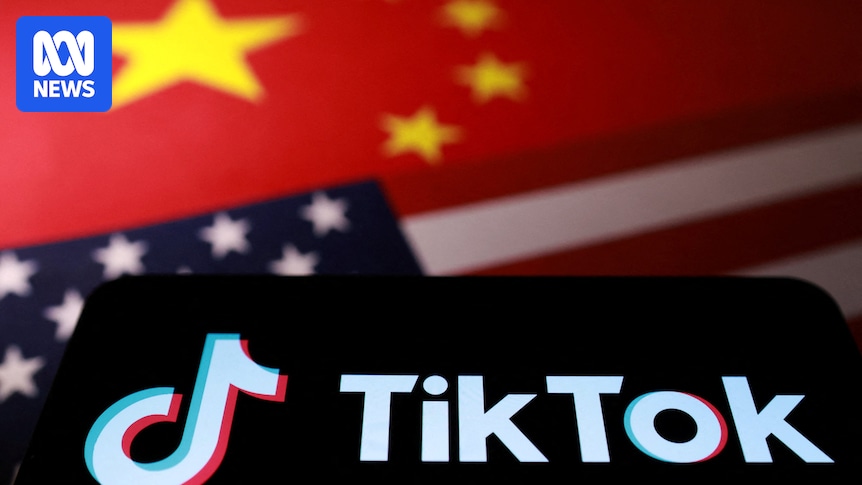
TikTok’s Chinese owner, ByteDance, has finalized a landmark agreement to establish a majority US-owned joint venture, effectively averting a potential ban on the popular social media app used by over 200 million Americans. This agreement marks a significant milestone for TikTok, which has been embroiled in regulatory battles since August 2020, when then-President Donald Trump attempted to ban the app over national security concerns.
The newly structured app will operate under stringent safeguards designed to protect national security through comprehensive data protections, algorithm security, content moderation, and software assurances for US users, according to a company statement. Adam Presser, formerly TikTok’s head of operations and trust and safety, will lead the new venture as CEO, working alongside a seven-member, majority-American board of directors that includes TikTok’s CEO Shou Chew.
Ownership and National Security Concerns
The agreement stipulates that investors, including cloud computing giant Oracle, private equity group Silver Lake, and Abu Dhabi-based MGX, will hold an 80.1% stake in the new joint venture. ByteDance, TikTok’s Beijing-based parent company, will retain a 19.9% ownership stake. This ownership structure aims to address longstanding national security concerns in Washington, where TikTok has been viewed as a potential threat due to fears of data collection and disinformation spread by Chinese authorities.
Under the new arrangement, the joint venture will be responsible for content moderation within the US, as well as the development and enforcement of related policies. This move represents a significant shift in how data sovereignty and digital affairs are managed across international borders.
Expert Opinions and Global Implications
Marina Zhang, an associate professor at the University of Technology Sydney, described the deal as a “defining moment” and the first instance of two governments dividing ownership of data on a single platform. “It creates a template for other countries on how to separate data sovereignty and digital affairs,” she noted. However, Zhang also highlighted that both sides made concessions to reach this agreement.
“It creates a template for other countries on how to separate data sovereignty and digital affairs.” – Marina Zhang, University of Technology Sydney
During the Biden administration, the US Congress passed legislation that would have banned TikTok in the US if a new owner was not found to replace ByteDance by January 2025. Although TikTok missed this deadline, the app briefly “went dark” for American users. In a surprising turn, on his first day back in office, Mr. Trump signed an executive order to keep the app operational.
Historical Context and Future Prospects
The Trump administration had repeatedly extended the deadline for completing the joint venture deal, with the most recent extension pushing it back to January 23. Interestingly, Mr. Trump has a personal TikTok account with over 16 million followers and credited the app with aiding his re-election campaign. The White House also launched an official TikTok account in August, underscoring the platform’s significance in political communication.
This development follows a series of complex negotiations and legal challenges that have highlighted the intricate balance between national security and global digital commerce. As TikTok continues to navigate these challenges, the new joint venture structure may serve as a model for other international tech companies facing similar scrutiny.
Looking forward, the implications of this agreement extend beyond TikTok. It sets a precedent for how governments and tech companies can collaborate to address security concerns while maintaining operational viability. As digital platforms continue to play a crucial role in global communication, the TikTok case may inform future regulatory frameworks and international tech policies.
The next steps involve closely monitoring the implementation of the joint venture’s operational safeguards and assessing their effectiveness in mitigating security risks. As the digital landscape evolves, stakeholders will need to remain vigilant in balancing innovation with security and privacy considerations.