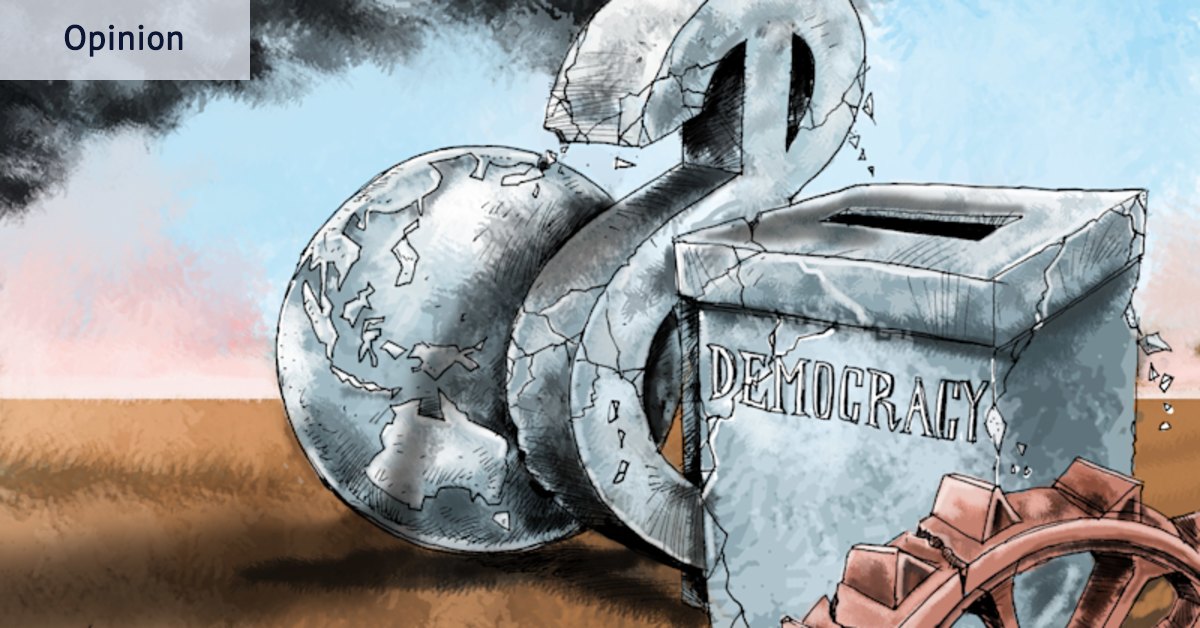
As 2026 approaches, Australia finds itself grappling with a profound sense of uncertainty and distress. The nation is not only dealing with internal challenges such as rising antisemitism but also facing external pressures that threaten its longstanding alliance with the United States. The crux of this tension lies in the actions of US President Donald Trump, whose policies and rhetoric are reshaping the global landscape and testing the resilience of international partnerships.
Despite a seemingly stable relationship throughout 2025, marked by successful diplomatic engagements and averted crises, the undercurrents of change are undeniable. Prime Minister Anthony Albanese’s government, initially criticized for the lack of a face-to-face meeting with Trump, eventually secured a public affirmation of the alliance. Yet, the deeper implications of Trump’s presidency are becoming increasingly apparent.
Shifting Global Dynamics
The year-end assessments suggest that the US-Australia relationship remains on track. However, beneath the surface, Trump’s America First nationalism and his aggressive foreign policy strategies are causing seismic shifts in the global order. Trump’s disdain for multilateral institutions, such as the United Nations and the World Health Organization, poses a direct challenge to Australia’s international commitments and alliances.
Trump’s policies reflect a broader pattern of anti-immigrant nativism and protectionism, which threaten to dismantle the global architecture that has supported international cooperation for decades. This shift is not limited to rhetoric; it extends to tangible actions that have significant implications for Australia and its allies.
Trump’s Global Confrontations
Europe Under Pressure
Trump’s relationship with Europe is marked by hostility and contempt. His National Security Strategy paper paints a grim picture of Europe’s future, questioning the continent’s ability to remain a reliable ally. After a recent meeting with Ukrainian President Volodymyr Zelensky, Trump suggested progress towards a peace deal, yet European leaders remain concerned about unresolved security guarantees for Ukraine.
NATO Secretary-General Mark Rutte warned, “We are Russia’s next target. And we are already in harm’s way.”
Moreover, Trump’s interest in annexing Greenland, a territory of Denmark and a NATO member, raises further concerns about his intentions towards European allies.
Challenges in the Americas
In the Western Hemisphere, Trump is exerting his influence through aggressive military actions and political maneuvers. His revival of the Monroe Doctrine underscores a desire for US dominance, as evidenced by his actions against Venezuela’s regime and threats towards Colombia’s leadership.
Trump’s warning to Colombia’s President Gustavo Petro: “He better wise up or he’ll be next.”
Media and Democracy
Trump’s contentious relationship with the media poses a threat to democratic principles. His attacks on major outlets like CNN and The New York Times, coupled with his involvement in media acquisitions, raise questions about press freedom under his administration.
Trump criticized CNN, stating, “The people that are running that company right now and running CNN, which is a very dishonest group of people.”
Implications for Australia
Australia’s alliance with the US is rooted in shared democratic values. However, Trump’s policies, including stringent visa requirements for Australians, challenge the foundation of this partnership. The erosion of free trade agreements and the transactional nature of recent diplomatic engagements highlight the shifting dynamics.
As Australia confronts these changes, it must reassess its strategic priorities and the nature of its alliance with the US. The existential questions posed by Trump’s presidency demand a reevaluation of what Australians seek from this relationship and how they envision their role on the global stage.
Looking Ahead
As the new year dawns, Australia must navigate a complex geopolitical landscape. The challenges posed by Trump’s administration require a strategic response that balances national interests with global responsibilities. In this evolving context, Australia must define its path forward, ensuring that its alliances reflect its values and aspirations in an increasingly uncertain world.
Bruce Wolpe, a senior fellow at the University of Sydney’s United States Studies Centre, emphasizes the need for a thoughtful approach to these challenges. Having served in the US Congress and as chief of staff to former Prime Minister Julia Gillard, Wolpe underscores the importance of adapting to new realities while preserving the core tenets of Australia’s international partnerships.