



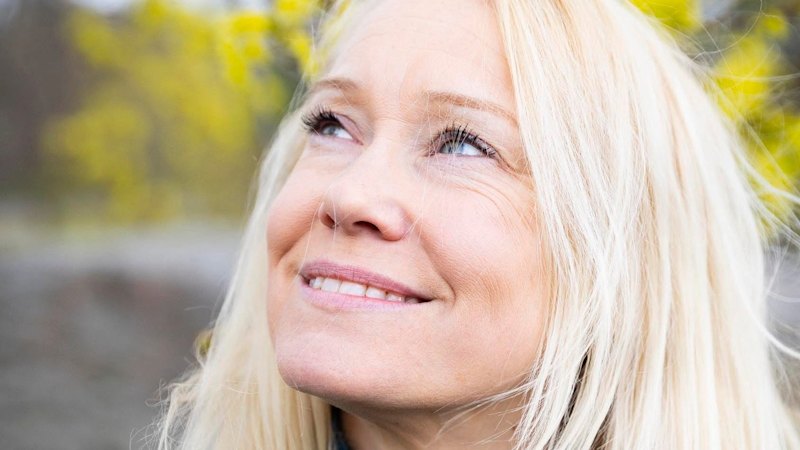
Dr. Elisabet Lahti was traversing New Zealand’s South Island when a persistent pain in her ankle began to trouble her. Despite the discomfort, she continued her record attempt in 2018 to run and cycle 2,400 kilometers across the island. “The highway I was running on got so hot that the heat was coming through my shoes and making my feet swell and altered my gait,” she recalls. As the pain intensified, Lahti faced a universal question: should she push onwards or quit?
To find her answer, Finnish-born Lahti turned to the philosophy of her homeland, known as sisu. This concept, shaped by Finland’s extreme weather and geopolitical history, is defined as an unyielding inner strength and the ability to persevere in the face of adversity. It is a philosophy that some argue contributes to Finland’s status as the world’s happiest country.
The Philosophy of Sisu
Sisu’s roots trace back over 500 years, emphasizing mental toughness and resilience during stressful times. For Lahti, sisu became the focus of her academic thesis, culminating in her book, Gentle Power: A Revolution in How We Think, Lead, and Succeed Using the Finnish Art of Sisu. “Sisu to me is like roots, it’s what digs us to the ground,” Lahti explains. “So if there is a storm, we’re not just knocked down.”
In the context of her New Zealand challenge, sisu was not merely about enduring pain but finding inner strength to continue. “Sisu as a word, it literally means, when translated, ‘insides’ – the intestines. It is to understand what and who we are,” she says. Central to this is silencing external expectations and listening to oneself.
Sisu in Modern Context
Despite its portrayal in popular culture, such as the 2022 action film Sisu, Lahti emphasizes that true sisu is quiet and contemplative. It also has practical applications beyond Finland. Susanna Heiskanen, a podcaster and author of Nordic Lifestyle: Embrace Slow Living, Cultivate Happiness and Know When to Take off Your Shoes, notes similarities between Australians and Finns.
“When I moved [to Australia] in 2008, I was surprised by how similar these two nations really are,” Heiskanen says. She observed a shared love of nature and a communal spirit in Australia that mirrors sisu, especially during crises. “Looking at disaster-affected areas, I see sisu in action – people working together towards a common goal, using their inner strength to get through flood or bushfire-ravaged lives, rebuilding their livelihoods and homes.”
Sisu: A National Trait
Sisu is deeply ingrained in Finnish culture, often taught in schools as part of history lessons about perseverance. “Sisu is a collective determination that the nation has in abundance,” Heiskanen asserts. She references Finland’s preparedness against potential threats, such as the underground tunnels in Helsinki that can house more people than the city’s population, as a testament to national resilience.
The 1939 Winter War against Russia is another powerful example of sisu, illustrating Finland’s ability to withstand against overwhelming odds. “We Finns have learned not to give up even when logic says we should,” Heiskanen adds.
Balancing Strength and Rest
Both Lahti and Heiskanen agree that sisu is not just about pushing forward but also recognizing when to rest. “I don’t think you can ever have too much sisu. It’s your superpower for happiness, and there’s never too much happiness in the world,” Heiskanen says. “That said, true sisu also means knowing when to rest and regroup – it’s sustained strength, not reckless stubbornness.”
For Lahti, this realization came during her record attempt in New Zealand. “It was a Guinness World Record pursuit and people were watching it, so there was pressure. But there is always a thing of ‘are we listening to the drumbeat outside or is it our own?’ That’s where the whole thing shifted for me and that’s where our sisu becomes sustainable, when we listen to ourselves.”
The Future of Sisu
In a world fraught with uncertainty, Lahti believes sisu offers a path forward. “It is something that allows us to push through those hard things,” she says. “But the idea isn’t that we evermore live in societies where we need to use our sisu to simply find a way to survive through our days, but how do we create more compassion and care so that we can strengthen that power within us and use it to build a better environment.”
Ultimately, sisu is about community and togetherness. “Sisu lives in this togetherness. It stays not just in you but in me, it lives in between us,” Lahti concludes.
For those interested in exploring the concept further, the Live Well newsletter offers insights into health, relationships, fitness, and nutrition, delivered to your inbox every Monday.