


As the war in Iran diverts global attention from Ukraine’s ongoing struggle against Russian forces, Ukrainian President Volodymyr Zelenskyy is seizing the moment to showcase his country’s battlefield innovations. Over the past four years, Ukraine has developed advanced anti-drone technology, which is now attracting interest from Gulf nations and NATO allies.
Despite waning enthusiasm from some Western allies, particularly the United States under President Donald Trump, Ukraine’s expertise in countering drone threats has become a coveted asset. Since the Russian invasion began on February 24, 2022, Ukraine has faced over 57,000 Iranian-made Shahed drones. These same drones are now being deployed by Iran across the Middle East, prompting regional powers to seek Ukrainian assistance.
Middle Eastern and European Allies Seek Ukrainian Expertise
In response to the escalating drone threats, Ukraine has dispatched teams of experts to the Middle East, including Saudi Arabia, Qatar, and the United Arab Emirates. These nations are eager to bolster their defenses as tensions rise following the US and Israeli military actions against Iran. Meanwhile, European allies, particularly those on NATO’s eastern flank, are keen to enhance their readiness against potential Russian incursions.
On Thursday, Zelenskyy and Romanian President Nicusor Dan signed a letter of intent to produce drones in Romania, a NATO member. This agreement underscores Ukraine’s willingness to form joint partnerships with allies to strengthen regional security.
President Zelenskyy is scheduled to visit Paris on Friday to meet with French President Emmanuel Macron. Their discussions will focus on defense cooperation and the broader implications of the Iran conflict, particularly its impact on global oil prices and Ukraine’s economy.
Economic Implications and Strategic Partnerships
Russia’s reliance on illicit gas and oil revenues to fund its military operations in Ukraine has been exacerbated by US sanctions and tariff exemptions for countries purchasing Russian energy. As the US-Israeli conflict with Iran drives up energy prices, Ukraine is exploring strategic partnerships to mitigate economic pressures.
Zelenskyy has publicly urged the White House to finalize a major drone production agreement proposed by Kyiv last year. This deal would integrate drones and air defense systems into a cohesive network capable of neutralizing large swarms of Shahed drones.
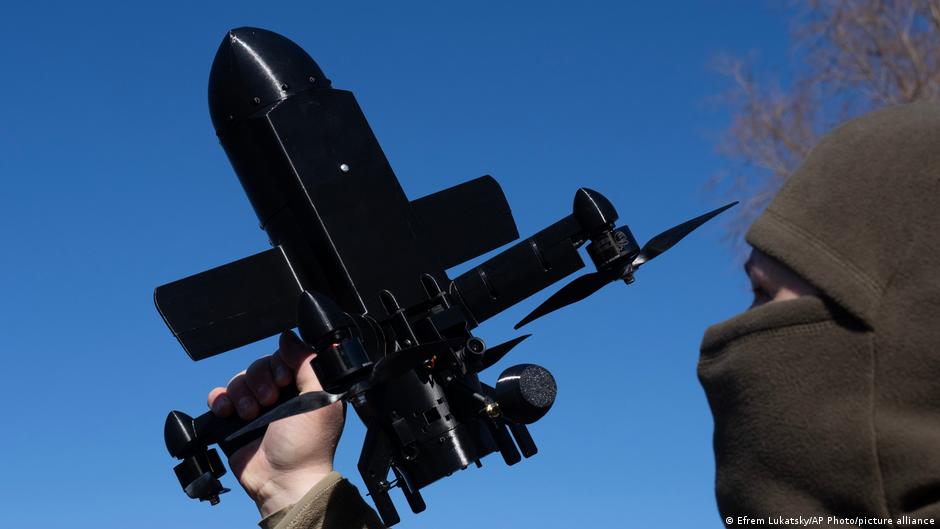
Ukraine has rewritten the handbook on air-defense technology, mass producing anti-air interceptor drones for just a few thousand dollars each, while Patriot missiles carry a price tag between $3 million and $4 million each.
Innovative and Cost-Effective Defense Solutions
Ukraine’s innovative approach to drone defense has been driven by necessity. While the country has received advanced anti-aircraft systems like the US-made Patriot missiles, these are costly and complex to produce. In contrast, Ukraine’s homegrown solutions offer a more affordable and scalable alternative.
The Shahed drones, mass-produced by Iran, cost between $130,000 and $150,000 each. In comparison, Ukraine’s interceptor drones are a fraction of that cost, providing an efficient means of countering the threat.
Despite initial skepticism from Western leaders, including a notable confrontation with President Trump, Ukraine’s advancements in drone technology have positioned it as a key player in the global defense landscape. Zelenskyy now holds valuable “cards” that could influence the course of the ongoing conflict with Russia.
As Ukraine continues to refine its defense capabilities, the country stands poised to leverage its expertise in securing international support and fostering new alliances. The demand for effective anti-drone technology is likely to grow, offering Ukraine both economic opportunities and enhanced security partnerships.