


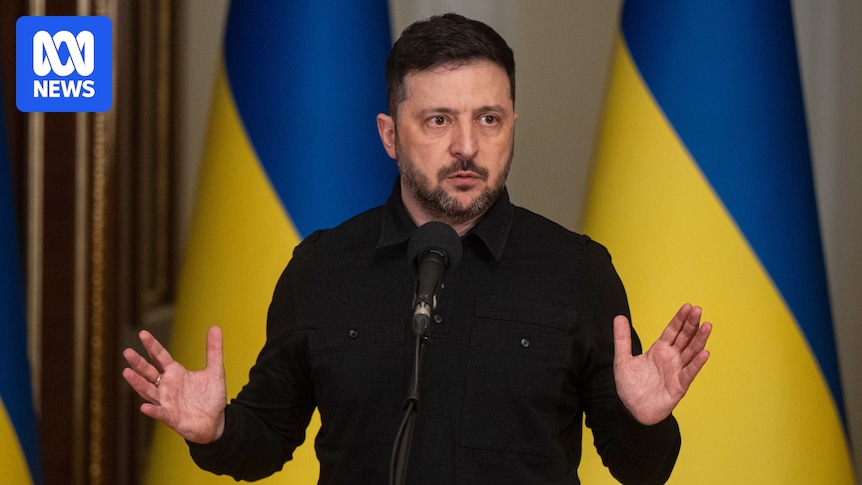
Ukrainian and Russian officials have concluded a “productive” first day of US-brokered talks in Abu Dhabi, according to Kyiv’s lead negotiator. The discussions come amid ongoing conflict in Europe, the largest since World War II. The two-day trilateral meetings commenced after Ukrainian President Volodymyr Zelenskyy accused Russia of exploiting a US-backed energy truce to amass munitions, leading to a record missile attack on Ukraine.
“The work was substantive and productive, focused on concrete steps and practical solutions,” stated Rustem Umerov, head of Ukraine’s National Security and Defence Council, on social media platform X. A US official, speaking anonymously, echoed these sentiments, confirming the talks’ continuation into the second day.
Background and Immediate Developments
The talks follow a week of heightened tensions, with President Zelenskyy emphasizing the importance of achieving genuine peace rather than providing Russia with opportunities to prolong the war. He urged Ukraine’s allies to increase pressure on Moscow, stating, “It must be felt now. People in Ukraine must feel that the situation is genuinely moving toward peace and the end of the war, not toward Russia using everything to its advantage and continuing attacks.”
Meanwhile, as the talks began, Russian forces launched an attack on a crowded market in eastern Ukraine using cluster munitions, resulting in at least seven fatalities and 15 injuries, as reported by Donetsk region Governor Vadym Filashkin.
Key Issues and Sticking Points
Despite the positive tone of the talks, significant differences remain. The Trump administration has been pushing for a compromise to end the four-year-old conflict, yet Kyiv and Moscow remain divided on critical issues. The most contentious topics include Moscow’s demands for Kyiv to relinquish control over certain territories and the status of the Zaporizhzhia nuclear power plant, Europe’s largest, situated in a Russian-occupied area.
Russia insists on the withdrawal of Ukrainian troops from the Donetsk region, including heavily fortified cities, as a precondition for any agreement. A Kremlin spokesperson reiterated that Russian forces would continue their operations until Kyiv made decisions to end the war.
“The good news is that for the first time in a very long time, we have technical military teams from both Ukraine and Russia meeting in a forum that we’ll also be involved in with our experts,” US Secretary of State Marco Rubio commented in Washington.
Implications and Future Prospects
Ukraine maintains that the conflict should be frozen along current front lines and rejects any unilateral troop withdrawals. Currently, Russia occupies approximately 20% of Ukraine’s national territory, including Crimea and parts of the eastern Donbas region, with analysts noting a 1.5% territorial gain by Russia since early 2024.
Ukrainian Foreign Minister Andrii Sybiha stated, “Russia is not winning its war against Ukraine,” reflecting the resilience and determination of the Ukrainian government and its people. Public sentiment in Ukraine remains largely against any agreement that would cede more land to Moscow, with many citizens skeptical about the talks’ potential for a significant breakthrough.
“Let’s hope that it will change [something], of course. But I don’t believe it will change anything now,” expressed Serhii, a 38-year-old taxi driver from Kyiv, capturing a common sentiment among the populace.
As the talks progress, the international community watches closely, hoping for a resolution that could bring an end to the prolonged conflict. The outcomes of these discussions could set a precedent for future diplomatic efforts in the region.