




The UK Health Security Agency (UKHSA) is set to bolster the UK’s pandemic preparedness, vaccine delivery, and antimicrobial resistance (AMR) response over the next year. This initiative is outlined in a ministerial letter from Ashley Dalton MP, the parliamentary under secretary for health and social care, to UKHSA chief executive Professor Susan Hopkins.
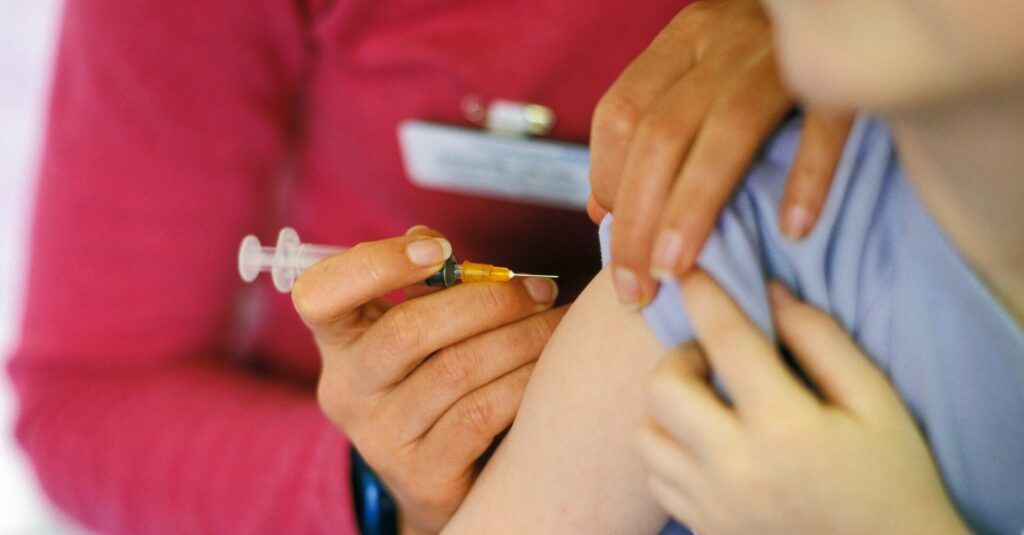
The letter specifies that the UKHSA will provide system clinical leadership through the national immunisation network, develop guidance for immunisation programmes, and support public communications to encourage vaccine uptake. Additionally, the agency will evaluate the delivery of immunisations by health visiting teams and community pharmacies to determine the most effective methods and potential for expansion.
Strengthening Pandemic Preparedness
As part of the government’s strategy, the UKHSA will play a crucial role in reforming the national pandemic flu service. This includes exploring options to enhance medicine distribution capabilities in response to health security threats. The agency will also collaborate with the Department of Health and Social Care on vaccine and therapeutics policy, supporting the completion of the UK-wide respiratory pandemic response plan.
Internationally, the UKHSA will support the Department of Health and Social Care in the 100 Days Mission, a global initiative aimed at developing vaccines and treatments within 100 days of a future pandemic threat. Domestically, it will help design and deliver Exercise PEGASUS, a pandemic preparedness exercise involving government and the health and care sector.
Vaccine Procurement and Distribution
The procurement, storage, and distribution of vaccines for national immunisation programmes remain under the UKHSA’s remit. A significant aspect of this work includes managing the Moderna UK strategic partnership, which will introduce scalable mRNA vaccine manufacturing to the UK for the first time and secure over £1 billion in research and development investment.
The partnership is expected to strengthen the UK’s resilience to future health emergencies. The UKHSA will also support government efforts to increase overall vaccine uptake to levels recommended by the World Health Organization.
Addressing Antimicrobial Resistance and Other Health Threats
Under the UK’s five-year action plan on antimicrobial resistance (2024-29), the UKHSA will enhance surveillance and infection prevention systems and support international collaboration on outbreak response. The agency will also contribute to the government’s HIV action plan for England, support efforts to reduce harm from sexually transmitted infections, and advise on eliminating viral hepatitis as a public health threat in England by 2030.
Furthermore, the UKHSA will deliver policy recommendations for the development of the tuberculosis action plan for 2026 to 2031, addressing rising TB rates. Preparing for emerging infectious diseases and maintaining the ability to respond to chemical, biological, radiological, and nuclear incidents remain core responsibilities.
Implications and Future Directions
The UKHSA’s expanded role reflects a broader commitment to safeguarding public health in the face of evolving threats. By enhancing vaccine delivery systems and strengthening preparedness for pandemics and other health emergencies, the agency aims to ensure the UK remains at the forefront of global health security efforts.
As these initiatives unfold, the focus will be on integrating lessons learned from past health crises with innovative approaches to public health challenges. The UKHSA’s work will be pivotal in shaping the nation’s response to future pandemics and reinforcing its position as a leader in health security.
Looking ahead, the agency’s collaboration with international partners and its strategic investments in vaccine technology will be critical in building a robust defense against potential health threats. The success of these efforts will depend on continued support from government entities, healthcare providers, and the public.