




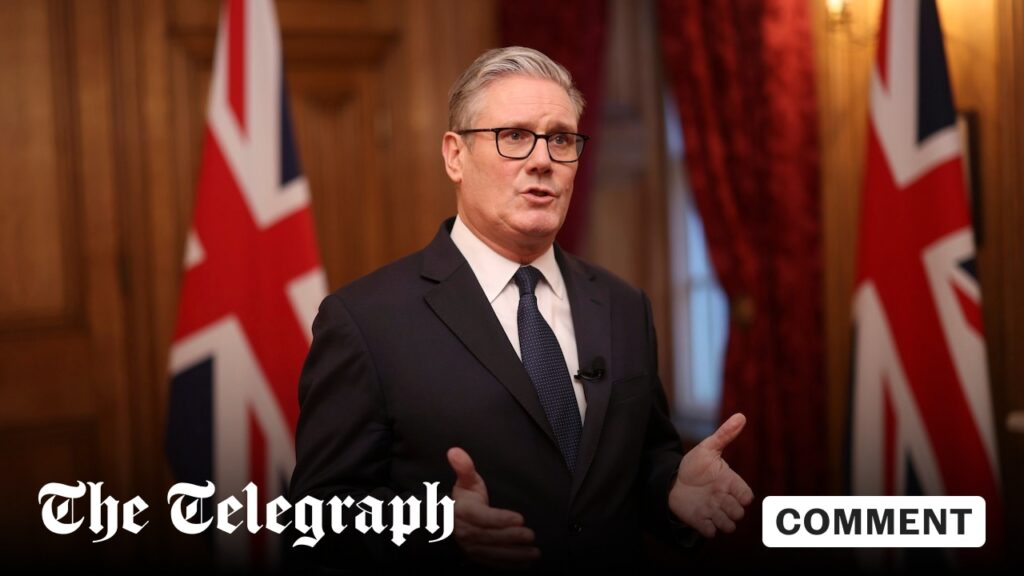
The recent political discourse in the United Kingdom has been dominated by the Labour Party’s approach to China, with critics accusing Leader Keir Starmer of failing to leverage Britain’s diplomatic assets effectively. This criticism comes amid broader discussions on how the UK should navigate its economic and strategic relationship with China.
The controversy centers around the British government’s handling of its diplomatic presence in China, which some argue could have been used more strategically. Critics point to the situation with the Chagos Islands as a parallel, suggesting that Starmer has been outmaneuvered in international negotiations once again. They argue that a Prime Minister who truly understood the national interest would not relinquish such assets prematurely.
Conservative Economic Strategy: A Different Path
The Conservative Party has proposed a markedly different approach, focusing on domestic economic reforms as a means of reducing reliance on China. One of their key policies is the abolition of business rates for small businesses, a move they argue will support local entrepreneurs and revitalize town centers. This policy contrasts sharply with what they describe as Labour’s tendency to drive consumers towards cheaper, online Chinese outlets through taxation.
In the energy sector, Conservatives have committed to increasing domestic oil and gas production by approving new drilling in the North Sea and eliminating the windfall tax on energy companies. They argue that this strategy will safeguard jobs in the energy sector and enhance the UK’s energy independence.
“Our Cheap Power Plan would cut bills for families, paid for by scrapping misguided net zero regulation and slashing the size of the Civil Service.”
Foreign Policy: A Stance on China
The Conservative Party has also taken a firm stance against what they see as Labour’s conciliatory approach to China. They have opposed the construction of a new Chinese super-embassy and criticized the handling of the Chagos Islands issue. Furthermore, they advocate for leaving the European Convention on Human Rights (ECHR) to protect British veterans from what they describe as “vexatious prosecutions.”
According to the Conservatives, the global landscape has shifted significantly, with authoritarian regimes growing bolder and international rules being flouted. They argue that Britain must face these realities head-on to protect its people and way of life.
Labour’s Position: Balancing Dialogue and Caution
In contrast, Labour maintains that a dialogue with China is essential, given its status as a global superpower with significant influence over the UK economy and foreign affairs. However, they acknowledge the challenges posed by China’s political system, which does not align with democratic values, and its actions on the global stage.
“China is a country that does not believe in democracy, it has sanctioned our MPs, it disrupts the global trade system, oppresses the Uyghur Muslims, and has aggressive designs on Taiwan.”
Labour’s critics accuse them of prioritizing good intentions over concrete actions, which they argue undermines Britain’s growth and global standing. The debate highlights the broader ideological divide between the two parties on how to manage the UK’s relationship with China and its economic policies.
Looking Forward: Navigating a Complex Relationship
The UK’s relationship with China remains a contentious issue, with both major political parties offering starkly different visions for the future. As the global balance of power continues to shift, the decisions made in Westminster will have far-reaching implications for Britain’s economic health and international standing.
Moving forward, the UK will need to carefully balance its economic interests with its strategic and ethical considerations. As the world becomes increasingly interconnected, the challenge will be to engage with global powers like China without compromising national values or security.