


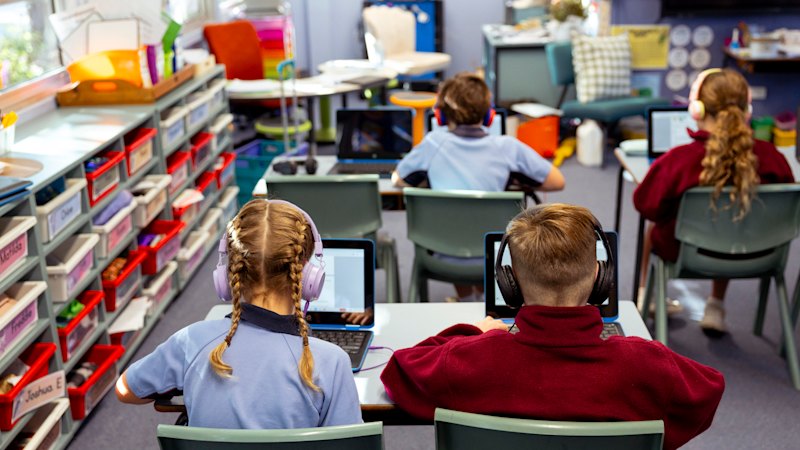

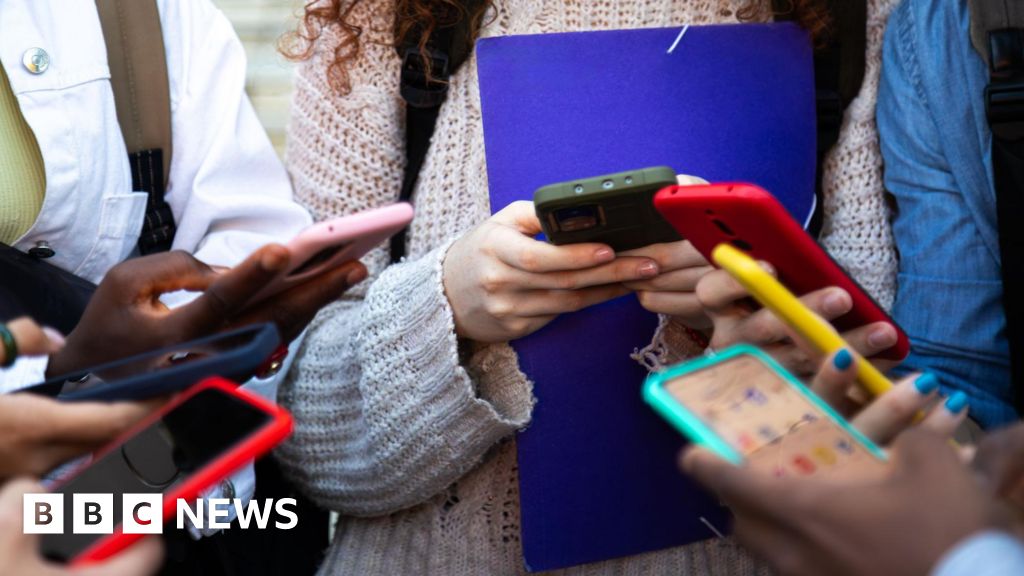
The UK government has announced plans to consult on a potential ban of social media for individuals under the age of 16. This move, described as “immediate action,” aims to empower Ofsted with the authority to scrutinize school policies on phone usage during inspections, with an expectation that schools will become “phone-free by default.”
The announcement follows a similar groundbreaking ban implemented in Australia in December 2025, marking the first of its kind globally. Other nations are reportedly considering adopting similar legislation. The UK’s consultation comes in the wake of a letter from over 60 Labour MPs to the Prime Minister, urging action on the issue. The letter was also supported by Esther Ghey, mother of the late Brianna Ghey, a teenager whose tragic death has intensified the call for regulation.
Public and Political Reactions
Esther Ghey’s poignant letter to the government highlighted the potential dangers of social media for vulnerable children. She argued that, in her daughter’s case, social media hindered real-world social interactions, despite having real friends.
“Some argue that vulnerable children need access to social media to find their community,” Ghey wrote. “As the parent of an extremely vulnerable and trans child, I strongly disagree. In Brianna’s case, social media limited her ability to engage in real-world social interactions.”
The Department of Science, Innovation and Technology has confirmed that the consultation will gather insights from parents, young people, and civil society groups to assess the potential effectiveness of a ban. The discussion will also explore the feasibility of implementing more stringent age verification measures by social media companies, potentially requiring them to eliminate or restrict features that encourage compulsive usage.
Government and Opposition Stances
Technology Secretary Liz Kendall emphasized that the Online Safety Act was not intended to be the final solution, acknowledging ongoing parental concerns. She stated, “We are determined to ensure technology enriches children’s lives, not harms them – and to give every child the childhood they deserve.”
Meanwhile, Conservative leader Kemi Badenoch criticized the consultation as “more dither and delay” from the Labour government, asserting that her party would have already enacted a social media ban for under-16s if in power. “The prime minister is trying to copy an announcement that the Conservatives made a week ago, and still not getting it right,” Badenoch remarked.
Liberal Democrat education spokeswoman Munira Wilson echoed the urgency of the situation, warning against further delays. “There is no time to waste in protecting our children from social media giants,” she said, cautioning that the consultation might simply defer decisive action.
Implications for Schools and Society
Ofsted is expected to issue stricter guidelines to schools aimed at reducing phone usage, including advising staff against using personal devices in front of pupils. The government plans to respond to the consultation findings by the summer.
The National Education Union (NEU) has expressed support for the government’s initiative. General Secretary Daniel Kebede described the move as a “welcome shift,” noting the profound impact of social media on children’s development. “Every day, parents and teachers see how social media shapes children’s identities and attention long before they sit their GCSEs, pulling them into isolating, endless loops of content,” Kebede stated.
Looking Ahead
The consultation represents a significant step in the ongoing debate over children’s safety and well-being in the digital age. As the government prepares to gather diverse perspectives, the outcome could shape future policies not only in the UK but also influence international approaches to digital safety for young people.
As the summer deadline approaches for the government’s response, stakeholders across the political spectrum and civil society will be closely monitoring developments, hoping for concrete measures that balance technological benefits with the need to protect young users.