



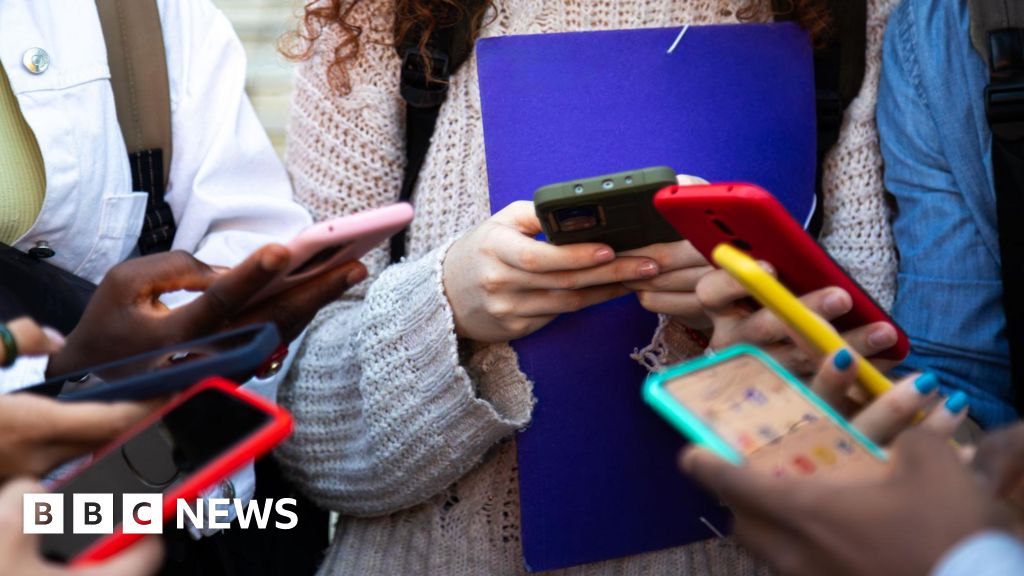
The UK government has announced plans to consult on a potential ban of social media for individuals under the age of 16. This initiative aims to address growing concerns about the impact of digital platforms on young people. The proposed consultation will explore the feasibility and implications of such a ban, as well as alternative measures to safeguard children’s online experiences.
In an effort to curb the influence of social media in educational settings, the government has also declared “immediate action” to empower Ofsted, the UK’s education standards body, to scrutinize school policies on mobile phone usage during inspections. The expectation is for schools to become “phone-free by default” following this announcement.
International Precedents and Domestic Pressure
This move follows the implementation of a similar ban in Australia in December 2025, marking the first of its kind globally. Other nations are reportedly considering comparable legislation, reflecting a growing international trend towards regulating young people’s access to social media.
The UK government’s decision to consult on this issue comes after significant domestic pressure. More than 60 Labour MPs have urged the Prime Minister to take action, supported by voices like Esther Ghey, the mother of murdered teenager Brianna Ghey. In a poignant letter, she argued against the necessity of social media for vulnerable children, citing her daughter’s experience.
“Some argue that vulnerable children need access to social media to find their community,” Esther Ghey wrote. “As the parent of an extremely vulnerable and trans child, I strongly disagree. In Brianna’s case, social media limited her ability to engage in real-world social interactions.”
Consultation Details and Government Response
The Department of Science, Innovation and Technology has outlined that the consultation will gather input from parents, young people, and civil society organizations. It will assess the potential effectiveness of a social media ban and explore the possibility of implementing more stringent age verification measures by social media companies. These companies could also be required to remove or limit features that promote compulsive usage.
Moreover, Ofsted will be tasked with providing stricter guidance to schools, including advising staff against using personal devices in the presence of students. The government plans to respond to the consultation findings by the summer.
Technology Secretary Liz Kendall emphasized that the Online Safety Act was only a starting point, acknowledging ongoing parental concerns. “We are determined to ensure technology enriches children’s lives, not harms them – and to give every child the childhood they deserve,” she stated.
Political Reactions and Educational Perspectives
Political reactions to the consultation have been mixed. Conservative leader Kemi Badenoch criticized the move as “more dither and delay” from Labour, asserting that her party would have already implemented a social media ban for under-16s. She accused the Prime Minister of mimicking Conservative proposals without fully committing.
Conversely, Liberal Democrat education spokeswoman Munira Wilson warned against procrastination, emphasizing the urgency of protecting children from the influence of social media giants. “This consultation risks kicking the can down the road yet again,” she cautioned.
From an educational standpoint, the National Education Union (NEU) has expressed support for the government’s shift in policy. General Secretary Daniel Kebede noted the pervasive impact of social media on children’s development and learning. “Every day, parents and teachers see how social media shapes children’s identities and attention long before they sit their GCSEs, pulling them into isolating, endless loops of content,” he remarked.
Looking Ahead: Implications and Future Steps
The consultation represents a critical step in the UK government’s ongoing efforts to balance technological benefits with safeguarding young users. As the dialogue unfolds, it will be crucial to consider the diverse perspectives of stakeholders involved, including parents, educators, and technology firms.
With the consultation results expected by summer, the government will need to navigate complex ethical, social, and technological challenges to develop policies that effectively protect young people while respecting their rights and freedoms. The outcome could set a precedent for how nations globally address the intricate relationship between youth and digital media.