




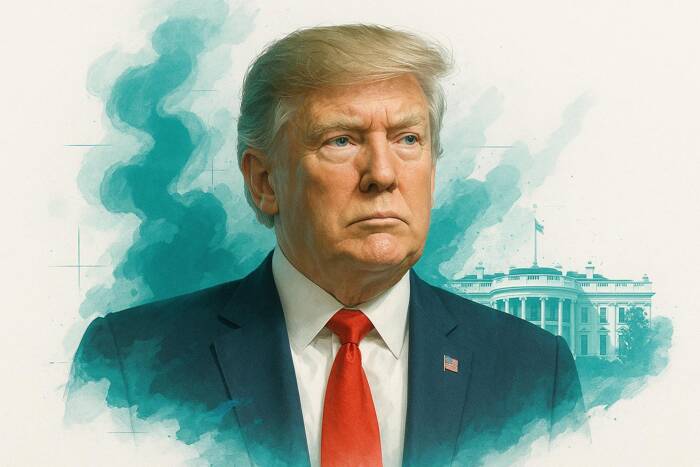
The U.S. Supreme Court delivered a significant blow to markets this week, ruling that President Donald Trump exceeded his authority by imposing broad global tariffs under the International Emergency Economic Powers Act (IEEPA). In a 6-3 decision, the court clarified that the power to levy taxes resides with Congress, not the executive branch. This decision challenges a central aspect of Trump’s economic strategy, which aimed to use tariffs as a tool to adjust trade balances and support domestic industries.
The ruling immediately shifted market focus from the legality of past tariffs to the future trajectory of U.S. trade policy. Investors and analysts are now grappling with the implications of this legal setback on the administration’s broader economic agenda.
Administration Moves to Preserve Tariff Strategy
In response to the Supreme Court’s decision, President Trump acted swiftly to maintain his trade strategy. He issued a new proclamation under Section 122 of the 1974 Trade Act, allowing for a temporary 10% tariff on imports from most countries for up to 150 days. This move underscores the administration’s commitment to tariffs as a key economic policy tool, despite the legal challenges.
Meanwhile, other tariffs remain in place. Duties on steel, aluminum, autos, and other industries, imposed under Section 232 of the Trade Expansion Act of 1962, are unaffected by the ruling. These tariffs are justified by national security considerations, indicating that the overall protectionist stance of U.S. trade policy endures, albeit with a different legal foundation.
The decision raises questions about the $130 billion in tariff revenue collected under the IEEPA framework. The court did not address whether companies or consumers should receive refunds, leaving this issue to potentially lengthy litigation. If refunds are eventually granted, they could represent a significant fiscal transfer back to businesses and households, influencing consumption patterns and economic expectations.
Policy Shock and Trade Strategy Shift
The Supreme Court’s decision introduces a new dynamic in U.S. trade policy. On one hand, it curtails the president’s unilateral power, reducing the risk of sudden, large-scale tariff shocks and providing stability to markets wary of unpredictable policy changes. On the other hand, the administration’s quick implementation of a new 10% tariff indicates a continued aggressive trade stance.
This push-pull dynamic is likely to dominate market sentiment in the coming weeks. Investors must discern whether the new tariffs are a temporary measure or the beginning of another cycle of trade actions. Exemptions for critical minerals, energy products, pharmaceuticals, electronics, and certain food items mitigate immediate inflationary pressures but maintain pressure on global supply chains.
U.S. Dollar Outlook Under Ongoing Trade Policy Shifts
The evolving trade policy landscape presents a complex scenario for the U.S. dollar. In the short term, new tariffs support the dollar by signaling tighter trade conditions and potential capital inflows into domestic industries. However, legal uncertainties and potential refund litigation introduce risks that could dampen bullish momentum.
“If markets interpret the court ruling as a structural constraint on future tariff expansion, periods of dollar consolidation may occur,” analysts suggest.
The USD index reflects this uncertainty, showing strong price consolidation between 100.50 and 96.50. A break below 96.50 could lead to a significant drop towards 90, while a recovery above 0.7850 might drive the index towards 0.8080. Traders are advised to monitor key support and resistance levels for potential opportunities.
S&P 500 Outlook Amid Tariff Uncertainty and Growth Rotation
U.S. equities face a nuanced response to the court ruling. While the decision reduces extreme downside risks associated with unchecked tariff increases, the new 10% global tariff raises concerns about input costs, trade volumes, and corporate margins. Multinational companies reliant on imported components may face pressure, while domestically focused industries could benefit from protectionist measures.
The potential for tariff refunds adds a medium-term bullish undertone to equity markets, particularly for companies that paid significant import duties. This could offset short-term volatility and support future cash flow expectations.
From a technical perspective, the S&P 500 remains strong, consolidating above 6,800, a key short-term support level. The formation of bullish patterns, such as an inverted head and shoulders and an ascending broadening wedge, suggests continued upward momentum. A break above 7,000 could trigger a rally towards 7,500, despite the uncertainties introduced by tariff policies.
In conclusion, the Supreme Court ruling represents a pivotal moment in U.S. trade policy, introducing legal constraints while reaffirming the administration’s commitment to tariffs. As markets navigate this complex landscape, investors will closely watch for further policy developments and their implications on global trade dynamics.